Overview of Long-sightedness (Hyperopia)
Long-sightedness, or hyperopia, is a common refractive error where individuals experience difficulty seeing nearby objects clearly, while distant objects tend to appear sharp. It is caused by a misalignment in how light enters the eye, often focusing behind the retina rather than directly on it. This leads to blurry vision, especially for close-up tasks such as reading, using a smartphone, or sewing. Understanding the overview of long-sightedness helps identify its impact on daily life and available treatment options.
Key Points About Long-sightedness
1. How Long-sightedness Occurs
Long-sightedness occurs when light entering the eye focuses behind the retina instead of directly on it. This happens due to anatomical differences such as:
- A shorter-than-normal eyeball.
- A flatter-than-normal cornea.
- An underpowered lens that doesn’t bend light enough to bring near objects into focus.
2. Who Is Affected?
- Children: While it can occur at any age, long-sightedness is most commonly noticed in children. However, younger people may not experience significant symptoms because their eyes have the ability to accommodate, or adjust focus. Over time, as the accommodative power of the eye diminishes, the effects of hyperopia become more noticeable.
- Adults over 40: Presbyopia, an age-related condition, often coexists with hyperopia. The lens in the eye becomes less flexible with age, worsening near vision, particularly for individuals who already have hyperopia.
3. Not a Disease, But a Structural Variation
Long-sightedness is not a disease. It’s a structural variation of the eye that leads to refractive errors. Unlike conditions that worsen with disease, long-sightedness remains relatively stable, although it can be more problematic as individuals age or experience visual fatigue. It may not worsen with age, but the accommodative capacity of the eye decreases over time.
4. Symptoms and Impact on Daily Life
The symptoms of long-sightedness may vary:
- Blurry near vision: Difficulty reading, using a smartphone, or performing other close-up tasks.
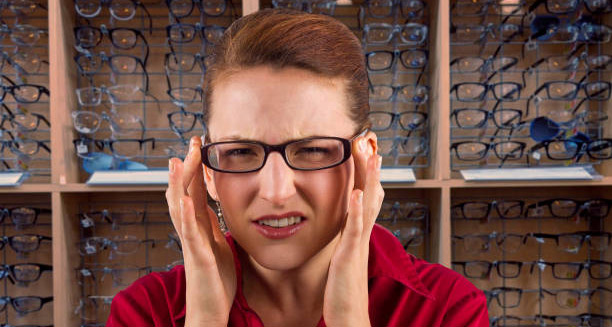
- Eye strain: Prolonged use of the eyes for near tasks can lead to fatigue and discomfort.
- Headaches: Common, especially after tasks that require prolonged near-focus.
- Squinting: Individuals may squint to bring objects into clearer focus.
5. Diagnosis and Correction
Long-sightedness is typically diagnosed during a routine eye exam. An optometrist may assess the ability of the eye to focus and determine the degree of hyperopia through tests like refraction and focusing tests. Once diagnosed, it can be effectively corrected with:
- Eyeglasses or contact lenses: To focus light on the retina and improve near vision.
- Laser eye surgery (LASIK, PRK): In adults, laser surgery can reshape the cornea for permanent correction in some cases.
6. Mild, Moderate, and Severe Hyperopia
- Mild hyperopia: Individuals may not need correction if the refractive error is small. Younger people may manage fine without glasses, especially when the eyes’ accommodative power is still intact.
- Moderate hyperopia: Corrective lenses, such as glasses or contacts, are usually needed to improve near vision.
- High hyperopia: In severe cases, both near and distant vision may be affected, requiring strong corrective lenses or surgery.
7. Age-Related Changes and Presbyopia
- Presbyopia is a natural age-related process in which the lens loses flexibility, leading to difficulty focusing on nearby objects. It commonly starts in the mid-40s and often coexists with hyperopia. Presbyopia is different from hyperopia because it’s related to the loss of accommodative ability, rather than a structural refractive error.
8. Global Prevalence
- Long-sightedness is less common than short-sightedness (myopia), particularly in younger adults, but it increases in prevalence with age. Studies suggest that by the time individuals reach their 60s, most will require corrective lenses for near tasks, regardless of their earlier visual health.
- Genetics plays a significant role in the likelihood of developing long-sightedness. It often runs in families, with individuals inheriting the condition from their parents.
9. Management and Lifestyle
- Children: If hyperopia is detected in children, corrective glasses are often prescribed to help the child develop proper vision and avoid issues like amblyopia (lazy eye) or strabismus (eye misalignment).
- Adults: For adults, treatment focuses on reducing the need for eye strain, especially in those who need to read or engage in close-up tasks for extended periods. Glasses, contact lenses, or laser surgery may be recommended to improve comfort and prevent complications like chronic headaches or eye fatigue.
10. Technological Advances
Advancements in diagnostic tools and surgical techniques have improved the accuracy of treatments for long-sightedness:
- Wavefront-guided laser surgery allows for a more customized treatment of hyperopia.
- Multifocal contact lenses and progressive lenses offer better flexibility for individuals with varying visual demands, especially for older adults dealing with both hyperopia and presbyopia.
11. Educational and Economic Implications
Long-sightedness can significantly impact educational and economic outcomes:
- Undiagnosed in children: Undetected hyperopia can hinder reading ability and academic performance in school-age children. Early detection through eye exams is crucial for academic success.
- In adults: Untreated hyperopia can reduce productivity in the workplace and affect quality of life due to the discomfort of blurry near vision.
Conclusion
Long-sightedness (hyperopia) is a manageable and common refractive error that affects the eye’s ability to focus on near objects. While it may not significantly affect distant vision, it can cause strain, fatigue, and headaches during activities requiring close-up focus. The condition can be easily diagnosed through routine eye exams and effectively treated with glasses, contact lenses, or surgery. Regular eye check-ups are vital for detecting hyperopia, particularly as people age, to maintain clear, comfortable vision and avoid complications.
Understanding long-sightedness, its symptoms, causes, and treatments can help improve quality of life, prevent visual strain, and ensure good ocular health.