Treatment of low blood pressure depends heavily on the underlying cause, severity of symptoms. Additionally, the overall health of the individual. While some cases of hypotension require no intervention, particularly if the person is asymptomatic, others demand immediate and long-term management strategies to restore adequate blood flow, prevent complications, and improve quality of life. The ultimate goal of the treatment of low blood pressure is to raise blood pressure to a level that eases symptoms without causing hypertension or additional strain on the cardiovascular system.
Identifying and Addressing the Cause
The first step in treatment is to identify and, where possible, fix the root cause. This might involve changing medications, correcting dehydration. Managing conditions such as diabetes or Parkinson’s disease, or treating hormone imbalances like Addison’s disease or hypothyroidism. For example, if blood pressure drops due to diuretic use or beta-blockers, the doctor may reduce the dose or switch to a different medication.
Lifestyle Changes for Low Blood Pressure
Lifestyle changes are often effective for mild to moderate hypotension, especially when symptoms are triggered by specific situations like standing for long periods or eating large meals. The following strategies are widely recommended:
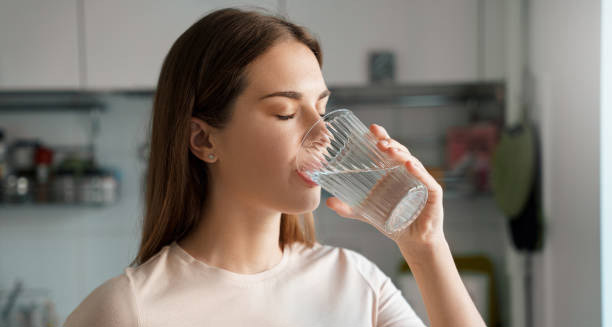
- Increased fluid intake: Dehydration is a common cause of low blood pressure. Drinking enough water helps expand blood volume and supports healthy circulation. Electrolyte-rich fluids may be helpful in hot climates or after exercise.
- Higher salt consumption: Unlike people with high blood pressure, those with low blood pressure may benefit from increasing salt intake — but only under medical supervision. Salt helps retain fluid and raise blood pressure.
- Eating small, frequent meals: Postprandial hypotension, where blood pressure drops after meals, can often be managed by eating smaller meals and avoiding foods high in carbohydrates. Spreading meals evenly throughout the day reduces the post-meal blood pressure dip.
- Avoiding alcohol: Alcohol can lower blood pressure and mess with the body’s natural regulation. Reducing or avoiding alcohol helps keep pressure levels steady.
- Compression stockings: Compression stockings help stop blood from pooling in the legs and improve blood flow back to the heart. These are especially useful for people with orthostatic hypotension.
- Slow position changes: People prone to dizziness or fainting should rise from sitting or lying down slowly. This gives the body time to adjust. Getting up too quickly can cause a sudden drop in pressure.
- Elevating the head of the bed: Sleeping with the head of the bed slightly raised can help reduce morning hypotension by promoting stable fluid distribution overnight.
- Exercise: Regular physical activity, like walking or swimming, improves heart function and circulation. However, care should be taken to avoid sudden movements or overheating.
Medications for Low Blood Pressure
When lifestyle changes are not enough, or when hypotension is severe or linked to chronic health conditions, medications may be needed. Common drugs used to treat low blood pressure include:
- Fludrocortisone: A synthetic corticosteroid that helps the kidneys retain sodium, which increases blood volume and blood pressure. It is especially helpful for people with orthostatic hypotension.
- Midodrine: An alpha-agonist that tightens blood vessels, raising blood pressure. It’s often used for neurogenic orthostatic hypotension and should only be taken during the day to avoid high blood pressure while lying down.
- Pyridostigmine: Used in patients with autonomic failure, this drug improves standing blood pressure without causing large increases while lying down.
- Droxidopa: Approved for neurogenic hypotension, this drug is converted to norepinephrine in the body, improving blood vessel tone and raising blood pressure.
Emergency Interventions
In emergency situations, when hypotension leads to shock or organ dysfunction, more aggressive treatments are required:
- Intravenous (IV) fluid resuscitation: Rapid infusion of saline or electrolyte solutions restores blood volume and stabilizes blood pressure.
- Vasopressors: Drugs like norepinephrine, dopamine, or vasopressin are given in intensive care to quickly tighten blood vessels and raise blood pressure.
- Blood transfusions: In cases of severe blood loss, red blood cell transfusions are needed to restore blood volume and oxygen supply.
- Treating the underlying cause: For example, antibiotics for infections like sepsis, adrenaline for anaphylaxis, or surgery for internal bleeding.
Special Considerations for Specific Groups
Different populations may need tailored treatment strategies. For elderly individuals, the risk of falls due to sudden drops in blood pressure is high, so stability is key. Medication dosages should be kept low, and lifestyle changes should be practical and sustainable.
For pregnant women, low blood pressure is common due to hormonal changes that relax blood vessels. Mild cases usually resolve on their own, but symptomatic hypotension requires careful monitoring. Treatment typically focuses on hydration, slow posture changes, and avoiding prolonged standing. Medications are rarely used during pregnancy because of potential risks to the fetus.
For people with chronic illnesses like diabetes, Parkinson’s disease, or multiple system atrophy, treatment may include a combination of medications, dietary changes, and physical therapy. These individuals often need support from a healthcare team to manage both their primary condition and hypotension.
Patient Education and Emerging Research
Patient education is crucial for managing low blood pressure. Teaching patients to recognize warning signs, stay hydrated, use compression garments properly, and know when to seek medical help can prevent complications and improve daily life.
Emerging treatments, like non-invasive neuromodulation therapies, biofeedback, and wearable sensors for real-time blood pressure monitoring, show promise. These innovations could improve outcomes, especially for those with autonomic dysfunction or frequent fainting episodes.
Conclusion
In conclusion, treating low blood pressure requires a personalized approach based on the cause, severity, lifestyle, and overall health. Many people respond well to simple lifestyle changes, but some may need medications or emergency care. With the right treatment, most people with hypotension can live full and active lives with minimal disruption.