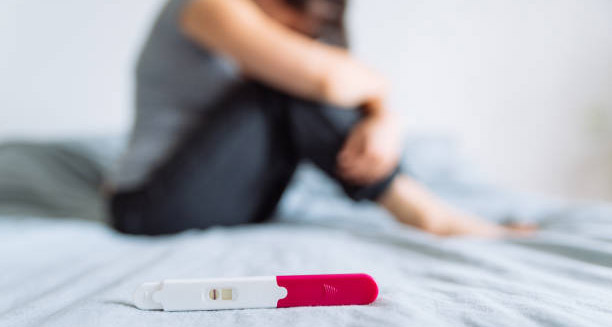

The symptoms of low sperm count are often subtle and may go unnoticed until a couple faces difficulties with conception.
For many men, there are no clear outward signs. Because of this, the condition can remain hidden until fertility tests reveal it. If a couple has tried to get pregnant for a year without success, knowing these signs can help start testing sooner. Early action can lead to better results.
Inability to Conceive
The most common and defining sign of low sperm count is the inability to get pregnant despite ongoing efforts. In many cases, this is the only clue. A man may feel healthy and notice no problems. Yet, after months or even years of trying, pregnancy does not happen. At this stage, doctors usually test both partners. A semen analysis then often confirms the low count.
Other Possible Signs from Hormonal Problems
Low sperm count may also happen because of hormonal or medical issues. These problems can cause other symptoms, even though the sperm count itself does not directly cause them. For example, men with low testosterone from hypogonadism may notice:
- Lower sex drive
- Trouble getting or keeping an erection
- Less facial or body hair
- Loss of muscle tone
- Constant tiredness or low energy
- Changes in mood such as irritability, sadness, or anxiety
These signs may appear along with fertility struggles and can point to hormone testing.
Signs from Structural Problems
Some men have physical problems in the reproductive system that lower sperm count. A common example is a varicocele, or enlarged veins in the scrotum. This can lead to:
- A lump or swelling in the scrotum, often feeling like a “bag of worms”
- A dull ache or discomfort, especially after standing for long periods
- One testicle appearing smaller or higher than the other
Varicoceles are a leading reversible cause of low sperm count. They can also lower sperm movement and shape quality, making conception harder.
Signs from Infections
Infections in the reproductive tract can harm sperm production or block sperm flow. These may include:
- Pain or swelling in the testicles
- Pain during ejaculation or sex
- Unusual discharge from the penis
- Frequent or painful urination
These problems may point to inflammation or infection in the testicles, epididymis, or prostate.
Other Medical Clues
Some men may have undescended testicles that were never corrected in childhood. This may only be found during a check-up. In rare cases, genetic issues like Klinefelter syndrome may also be present. These can cause:
- Small, firm testicles
- Enlarged breast tissue
- Taller height than average
- Learning or language delays in childhood
No Visible Signs but Emotional Impact
Sometimes, there are no physical signs at all. In these cases, only a semen analysis can confirm the diagnosis. Still, the emotional effects can be strong. Men may feel guilt, shame, or stress. These feelings can affect relationships and mental health. Talking to a counsellor or therapist can help.
In short, the symptoms of low sperm count often stay hidden. Infertility may be the only clear sign. Yet, related hormonal, infection, or structural problems can offer clues. Knowing them early can guide men toward testing and treatment.