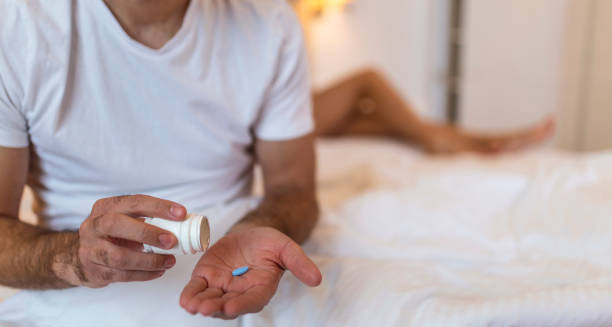
The treatment of low testosterone aims to restore hormone levels to a healthy range, ease symptoms, and boost overall well-being. Testosterone plays a vital role in sexual function, muscle strength, bone health, mood, and energy. When levels drop, quality of life can suffer. After diagnosis by symptoms and blood tests, treatment options can begin based on clinical guidelines.
Each man’s plan should be personalized, considering age, fertility goals, health, and symptom severity.
1. Testosterone Replacement Therapy (TRT)
TRT is the main treatment for men with symptoms and confirmed low testosterone. It supplements the body with testosterone to restore normal levels and relieve symptoms.
Forms of TRT:
- Topical Gels and Creams: Applied daily to skin (e.g., shoulders, arms). Examples: AndroGel®, Testim®. They provide steady hormone levels but risk transferring to others by skin contact.
- Intramuscular Injections: Given every 1–3 weeks; longer-acting injections like Nebido® last 10–14 weeks. They are cost-effective but short-acting versions may cause hormone level swings.
- Transdermal Patches: Applied daily to skin (e.g., thigh, scrotum). Convenient and steady but can irritate skin and are less potent than injections.
- Buccal Tablets: Applied to upper gum twice daily. Less common due to taste and inconvenience.
- Implantable Pellets: Inserted under the skin every 3–6 months. Long-lasting but require minor surgery and risk pellet loss.
- Oral Testosterone: Under evaluation due to liver risks, but newer forms like testosterone undecanoate appear safer.
Goals of TRT:
- Improve libido and erections
- Increase energy and reduce fatigue
- Restore mood and mental clarity
- Build muscle and reduce fat
- Strengthen bones
- Correct anaemia in some cases
2. Monitoring During TRT
Regular monitoring ensures safety and effectiveness. Typical tests include:
- Testosterone levels (every 3–6 months)
- Haematocrit (to watch for thick blood)
- Prostate-specific antigen (PSA) for prostate health
- Liver function tests
- Lipid and glucose profiles
- Symptom assessments
Doses may change based on response or side effects. Men should understand risks and keep scheduled follow-ups.
3. Lifestyle and Natural Interventions
Some men with mild or borderline symptoms benefit from lifestyle changes that boost testosterone naturally. These include:
- Weight Loss and Diet: Obesity lowers testosterone by raising oestrogen and insulin resistance. Zinc, vitamin D, and healthy fats support hormones.
- Exercise: Resistance and high-intensity interval training (HIIT) raise testosterone. Avoid excessive endurance training.
- Stress Reduction: Chronic stress increases cortisol, which lowers testosterone. Mindfulness, therapy, rest, and relaxation help.
- Sleep: Poor sleep cuts testosterone, especially with sleep apnoea. Aim for 7–9 hours of quality sleep.
- Alcohol and Smoking: Heavy drinking and smoking harm testosterone and fertility.
While these may not replace TRT, they improve health and complement treatments.
4. Treatment in Men Wanting Fertility
Standard TRT reduces sperm production and is not suited for men who want to father children soon. Alternatives include:
- Clomiphene citrate: Boosts brain signals to increase natural testosterone and sperm.
- hCG (human chorionic gonadotropin): Mimics luteinising hormone to stimulate testicular testosterone.
- Aromatase inhibitors: Lower conversion of testosterone to oestrogen, raising testosterone.
These options preserve fertility and require specialist care.
5. Risks and Contraindications of TRT
Though usually safe with supervision, TRT is not for everyone. Contraindications include:
- Active or suspected prostate or breast cancer
- Elevated PSA or unknown prostate issues
- Severe untreated sleep apnoea
- Uncontrolled heart failure
- High haematocrit (>54%)
- Fertility goals unless using alternatives
Possible side effects:
- Acne or oily skin
- Breast tenderness or swelling
- Fluid retention
- Mood swings or irritability
- Increased red blood cells (polycythaemia)
- Suppressed natural testosterone
A careful risk-benefit review is essential, especially for older men or those with health problems.
6. Treatment Duration and Follow-Up
There is no fixed end date for TRT. Many men stay on treatment long-term if they benefit and tolerate it. Stopping TRT can cause symptoms to return, especially if the cause is permanent.
For reversible causes like obesity or alcohol use, TRT may be temporary while lifestyle changes take effect. Testosterone levels might normalize without ongoing therapy in these cases.
In summary, treating low testosterone combines medical therapy, lifestyle changes, and support tailored to the individual. TRT remains the most effective treatment but carries risks. Careful monitoring, patient education, and open communication ensure safe and successful management. Proper treatment can greatly improve vitality, confidence, and quality of life for men with low testosterone.