The causes of low testosterone are varied and often multifactorial, ranging from genetic and developmental conditions to lifestyle and age-related changes.
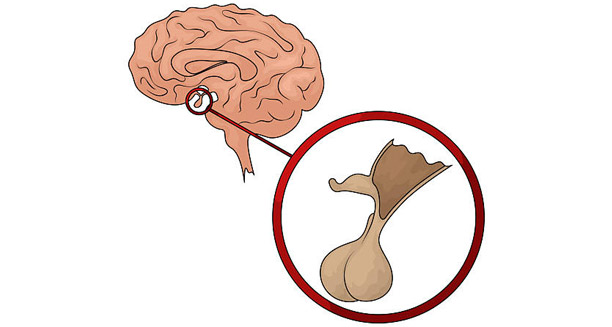
The body makes testosterone through a careful balance between the brain (especially the hypothalamus and pituitary gland) and the testes. When something disrupts this hormonal system—called the hypothalamic-pituitary-gonadal (HPG) axis—testosterone levels drop. This drop can affect male health in many ways.
To better understand the causes of low testosterone, it helps to group them into two main types: primary hypogonadism (testicular failure) and secondary hypogonadism (problems in the pituitary or hypothalamus). A third type, mixed hypogonadism, combines both.
1. Primary Hypogonadism (Testicular Causes)
Primary hypogonadism happens when the testes fail to produce enough testosterone, even though the brain signals them to do so. Common causes include:
- Klinefelter syndrome: A genetic disorder where males have an extra X chromosome (XXY). This leads to small testes and less testosterone production.
- Undescended testicles (cryptorchidism): If not fixed early, this can stop normal testicular growth and hormone production.
- Testicular injury or trauma: Physical damage from accidents, surgery, or sports can lower testosterone, especially if both testes are hurt.
- Chemotherapy or radiation therapy: Cancer treatments, especially for testicular cancer, can harm the hormone-producing cells in the testes.
- Mumps orchitis: A viral infection that causes swelling and damage to the testes, mostly during teenage or adult years.
- Ageing: Testosterone naturally falls as men get older. This drop is slow but can become noticeable after age 60.
- Testicular torsion: A medical emergency where the spermatic cord twists, cutting off blood flow and possibly causing permanent damage.
2. Secondary Hypogonadism (Pituitary/Hypothalamic Causes)
In secondary hypogonadism, the testes work fine, but they do not get the right signals from the brain to make testosterone.
- Pituitary tumours: Non-cancerous growths like prolactinomas can stop the pituitary gland from releasing luteinising hormone (LH), which tells the testes to produce testosterone.
- Hypothalamic disorders: Damage or birth defects in the hypothalamus can lower the release of gonadotropin-releasing hormone (GnRH), which starts the chain of hormone signals for testosterone.
- Kallmann syndrome: A rare genetic disorder where the neurons that make GnRH do not develop properly, causing delayed puberty and low testosterone.
- Obesity: Too much body fat, especially around the belly, is strongly linked to lower testosterone. Fat cells change testosterone into oestrogen, and high insulin levels can lower LH production.
- Type 2 diabetes: Insulin resistance and long-term inflammation from diabetes can hurt both brain signals and testicular response.
- Chronic illnesses: Diseases like kidney failure, liver cirrhosis, and HIV/AIDS can interfere with hormone production.
- Sleep apnoea: Poor sleep and low oxygen from sleep apnoea are now seen as causes of hormone imbalance.
- Stress: Long-term stress raises cortisol levels. This hormone lowers testosterone production and stops GnRH release.
- Malnutrition or quick weight loss: Severe diets or eating disorders make the body lower LH and testosterone to save energy.
3. Mixed or Functional Hypogonadism
Some men show signs of both primary and secondary hypogonadism. This mixed type often happens in older men or those with chronic illness.
- Older men (age-related hypogonadism): Both brain signals and testicular function may drop at the same time.
- Men with metabolic syndrome: This group has obesity, insulin resistance, and high blood pressure. These problems disrupt hormones in many ways.
- Athletes who abuse anabolic steroids: When they stop steroids, natural testosterone can stay low for a long time because the body is still recovering.
- Medication-induced causes: Some drugs lower testosterone by different methods:
- Opioids: They block pituitary function and reduce LH release.
- Corticosteroids: Long-term use affects the HPG axis.
- Anti-androgens: These drugs, used for prostate cancer or other conditions, block testosterone effects directly.
- Antidepressants and antipsychotics: Some of these medicines lower libido and hormonal balance.
4. Lifestyle and Environmental Factors
Even without clear diseases, everyday habits and exposures can cause low testosterone.
- Alcohol abuse: Drinking too much alcohol damages the HPG axis and Leydig cells in the testes.
- Smoking: Tobacco use links to lower testosterone and less sperm production.
- Exposure to endocrine disruptors: Chemicals in plastics (like BPA), pesticides, and industrial pollution can block hormone receptors or mimic oestrogen.
- Lack of physical activity: Sitting too much relates to low testosterone, while regular strength training can boost it.
- Poor sleep quality: The body releases testosterone during deep sleep. Constant lack of sleep cuts overall levels.
5. Idiopathic Low Testosterone
Sometimes, doctors cannot find a clear cause despite thorough tests. This is called idiopathic hypogonadism. It might come from small genetic factors, unknown lifestyle reasons, or just natural differences.
Conclusion
The causes of low testosterone are many. They range from obvious medical problems to subtle lifestyle factors. Finding the exact cause helps pick the best treatment. Some types of low testosterone cannot be fixed, but many improve with lifestyle changes, treating medical conditions, or hormone therapy.