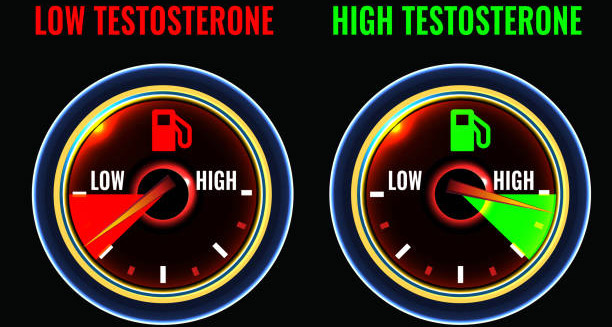
Low testosterone, also called male hypogonadism, happens when the body makes too little of the main male hormone, testosterone. This hormone plays a key role in growing male reproductive organs, keeping muscles and bones strong, helping sperm production, controlling sex drive, and supporting mood and thinking. When testosterone levels drop, it can affect physical, emotional, and sexual health — sometimes in small ways, sometimes in large ways.
In adult men, the testicles produce most testosterone after receiving signals from the hypothalamus and pituitary gland in the brain. Normal testosterone levels vary but usually fall between 300 and 1,000 nanograms per decilitre (ng/dL). Levels below 300 ng/dL, especially with symptoms, often mean low testosterone and should be checked by a doctor.
There are two main types of low testosterone:
- Primary hypogonadism: This happens when the testicles cannot make enough testosterone, even though the brain sends normal or strong signals. Causes include genetic issues like Klinefelter syndrome, injury, chemotherapy, infections like mumps orchitis, or age-related testicular decline.
- Secondary hypogonadism: Here, the problem lies in the hypothalamus or pituitary gland, which fail to send the right signals to the testicles. Causes include pituitary tumours, obesity, anabolic steroid use, some medicines (like opioids or corticosteroids), long-term illnesses, and metabolic problems such as type 2 diabetes.
Sometimes, both primary and secondary causes happen together. This mixed hypogonadism often appears in older men, where both testicular function and brain signaling weaken.
Rising Cases and Lifestyle Effects
The causes of low testosterone are becoming more common. Studies show that 10 to 25% of men over 40 may have low testosterone. This rate grows much higher after age 60. Modern lifestyles might also play a role. Poor diet, lack of exercise, stress, pollution, and bad sleep habits may lower testosterone even in younger men. This trend worries public health experts.
Testosterone naturally falls about 1% each year after age 30. However, a bigger drop can cause troubling symptoms. Men may notice less sex drive, trouble getting erections, feeling tired, depression, loss of muscle, more belly fat, weaker bones, anemia, trouble focusing, and infertility.
Low Testosterone in Women
Women also produce testosterone, though at much lower levels. Their ovaries and adrenal glands make this hormone. While its role in women is less clear, it helps with sex drive, bone health, and mood. Low testosterone in women may cause tiredness, low desire, and a general lack of energy.
Diagnosing Low Testosterone
Doctors diagnose low testosterone with a blood test, usually done in the morning when levels peak. If total testosterone is low, doctors may check free testosterone (the active form) and test other hormones like luteinising hormone (LH), follicle-stimulating hormone (FSH), and prolactin. These tests help find out if the problem is primary or secondary.
Low testosterone is not just about sex or aging. It can signal wider problems in metabolism, hormones, or the whole body. Men with low levels often face higher risks for heart disease, diabetes, depression, and weak bones.
Next Steps and Treatment
Once low testosterone is found, doctors look for the cause. They ask if the problem is reversible, like medicine side effects, or linked to illness or pituitary issues. Sometimes, it is just age-related decline. These answers guide treatment choices.
Testosterone replacement therapy (TRT) has grown popular, especially among older men wanting more energy and strength. TRT can improve life quality but needs careful use. It does not suit everyone and may carry risks, especially for men with prostate or heart problems. Doctors must weigh benefits like better energy, sex drive, and muscle against possible side effects.
Conclusion
Low testosterone is common but often misunderstood. It affects many parts of a man’s health. Early detection matters. Proper diagnosis, lifestyle review, and careful treatment can restore hormone balance, ease symptoms, and support long-term health.