Causes of lung disease vary widely depending on the condition, but they mostly fall into a few key groups. These include environmental exposures, infections, inherited traits, immune system problems, and lifestyle habits. Understanding the causes of lung disease helps with early diagnosis, better treatment, and strong prevention.
Smoking and Air Pollution
Environmental causes of lung disease are some of the most serious across the world. The biggest and best-known one is smoking. Smoking links directly to problems like chronic obstructive pulmonary disease (COPD), emphysema, and lung cancer. Cigarette smoke contains thousands of harmful chemicals. These chemicals damage the lungs, cause swelling, and weaken the immune system. People who smoke for many years often end up with narrow airways and lasting breathing problems. This makes them more likely to catch infections.
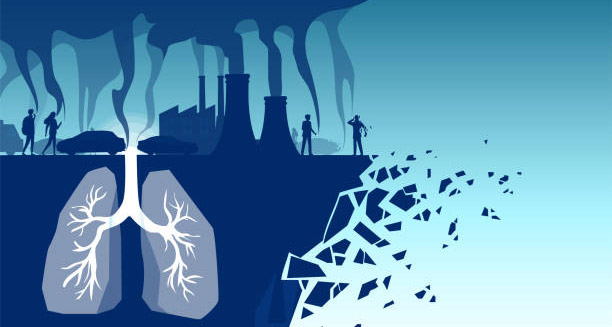
Air pollution also plays a big role. This includes outdoor air pollution from car exhaust, factory smoke, and dust. It also includes indoor pollution like second-hand smoke, cooking fumes, or mould. Breathing polluted air over time can cause asthma, bronchitis, and even lung cancer. People in cities or areas with poor air quality are especially at risk.
Occupational Hazards and Infections
Many jobs expose workers to harmful dust, fumes, and gases. Construction, mining, farming, and factory work can all increase risk. Breathing in things like asbestos, silica, coal dust, or chemicals can lead to serious lung problems. These include asbestosis, silicosis, black lung disease, and hypersensitivity pneumonitis. These illnesses may take years to appear, but they often cause lasting damage and may raise the risk of cancer.
Infections also cause many lung diseases. Some, like pneumonia, come from bacteria, viruses, or fungi and lead to sudden lung swelling. If not treated, they may leave scars. Tuberculosis (TB), a serious bacterial infection, destroys lung tissue slowly. When children get repeated chest infections, this may later cause permanent problems like bronchiectasis.
Genetic and Autoimmune Factors
Some causes of lung disease are inherited. People may be born with gene problems that affect lung function or make their lungs more sensitive. For example, cystic fibrosis makes the lungs produce thick, sticky mucus. This causes constant infections and damage from early in life. Another example is alpha-1 antitrypsin deficiency, which can cause early emphysema, even in non-smokers. These inherited diseases usually need lifelong care.
The immune system can also cause lung disease. Some diseases make the immune system attack the lungs by mistake. These include rheumatoid arthritis, lupus, and sarcoidosis. This kind of lung inflammation often causes scarring and lower oxygen levels. Sometimes, the damage mostly affects the lungs, leading to interstitial lung disease or pulmonary fibrosis.
Drug Reactions and Weakened Immunity
Certain medications can harm the lungs. For example, some cancer drugs, chest radiation, and specific antibiotics or heart drugs can cause lung swelling or scarring. Even if someone stops taking these medicines, the damage may remain.
People with weak immune systems also face more risks. This includes those going through cancer treatment, living with HIV/AIDS, or taking immune-suppressing drugs. In these people, rare infections can become serious fast. If not treated quickly, they can lead to lasting lung problems.
Age, Ventilation, and Obesity
Age also affects risk. Older adults are more likely to develop lung disease because their lungs have faced more years of exposure to harmful things. Their immune system also weakens with age. At the same time, babies and young kids have lungs that are still growing. They are more likely to suffer damage from infections or dirty air.
Poor airflow inside homes can also cause lung problems. This is especially true in places where people cook or heat with wood, dung, or coal. In many low- and middle-income countries, this causes long-term breathing problems for women and children. Better home ventilation and cleaner fuels can greatly lower these risks.
Obesity adds another layer of risk. People who are overweight often have trouble breathing deeply. This lowers lung capacity. Extra body weight can lead to conditions like sleep apnoea and obesity-related breathing problems. These can seriously affect both lung health and daily life.
Summary: The Many Causes of Lung Disease
The causes of lung disease come from many sources. They include harmful habits like smoking, workplace dangers, infections, genetic issues, immune problems, medical treatments, and poor air quality. Obesity and age also add to the risk. By spotting these risks early, people can make changes to protect their lungs. Doctors can also plan better care by knowing what caused the damage.
Taking steps to understand and manage the causes of lung disease can prevent illness, improve recovery, and save lives.