Overview of Lymphoma
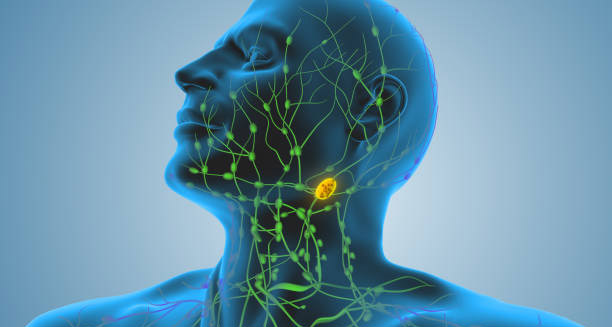
Lymphoma is a type of cancer that originates in the lymphatic system — a crucial component of the immune system responsible for protecting the body against infection and disease. The lymphatic system consists of lymph nodes, lymphatic vessels, the spleen, thymus, bone marrow, and other lymphoid tissues. This condition occurs when lymphocytes — a type of white blood cell — begin to multiply uncontrollably, forming tumours that can spread to various parts of the body. Understanding this disease requires a broad overview of its types, risk factors, progression, and how it differs from other cancers.
There are two primary categories of lymphoma: Hodgkin lymphoma (HL) and non-Hodgkin lymphoma (NHL). While both types affect lymphocytes, they differ in their cellular characteristics, clinical presentation, and treatment responses.
Hodgkin lymphoma
Hodgkin lymphoma is characterised by the presence of a specific type of abnormal cell known as the Reed-Sternberg cell, which is not found in other lymphomas. This type of condition typically follows a predictable path through the lymph nodes and often begins in the upper body areas such as the neck, chest, or armpits. Hodgkin lymphoma is relatively rare but has a high cure rate, especially when diagnosed early.
On the other hand, non-Hodgkin lymphoma represents a broader and more diverse group of blood cancers that arise from B cells or T cells — two main types of lymphocytes. NHL can occur anywhere in the body and varies widely in aggressiveness. Some forms are indolent (slow-growing), while others are aggressive and require immediate treatment. Examples include diffuse large B-cell lymphoma (DLBCL), follicular lymphoma, and mantle cell lymphoma.
Causes of lymphoma
The causes of lymphoma are not fully understood, but several risk factors have been identified. These include genetic predisposition, immunodeficiency disorders, autoimmune diseases, chronic infections (like Epstein-Barr virus or Helicobacter pylori), exposure to certain chemicals, and prior cancer treatments such as chemotherapy or radiation. While anyone can develop this condition, it is more common in older adults, although Hodgkin lymphoma often occurs in younger individuals aged between 15 and 35 or over 55.
Symptoms of lymphoma
The symptoms of lymphoma often mimic common illnesses, making early detection challenging. Painless swelling of the lymph nodes, particularly in the neck, armpits, or groin, is a hallmark sign. Other symptoms can include persistent fatigue, fever, night sweats, unexplained weight loss, itchy skin, and shortness of breath or cough if lymph nodes in the chest are involved. These are sometimes called B symptoms and are particularly relevant in staging the disease and determining its prognosis.
Diagnosis typically involves a combination of physical examination, blood tests, imaging studies (such as CT scans or PET scans), and biopsy of an enlarged lymph node or affected tissue. The biopsy is crucial to determine the specific type and subtype of lymphoma, which in turn guides treatment options. In some cases, a bone marrow biopsy may be necessary to assess whether the disease has spread to the bone marrow.
The staging of lymphoma follows the Ann Arbor system, which categorises the disease into stages I through IV based on the number and location of affected lymph nodes or organs. Factors such as age, general health, and presence of B symptoms also influence prognosis and treatment decisions.
Treatment for lymphoma
Treatment for lymphoma depends on its type, stage, and aggressiveness. Standard therapies include chemotherapy, radiation therapy, immunotherapy (such as monoclonal antibodies like rituximab), targeted therapies, and stem cell transplantation in certain high-risk cases. In recent years, CAR T-cell therapy and other forms of personalised medicine have emerged as promising treatments for resistant or relapsed lymphoma.
Most people respond well to treatment, particularly in the early stages of Hodgkin lymphoma and certain types of indolent non-Hodgkin lymphoma. However, aggressive or advanced cases may require more intensive or combination therapies, and regular follow-up is essential to detect any signs of recurrence.
Long-term effects
It is also important to consider the long-term effects of lymphoma treatment, which may include fatigue, infertility, secondary cancers, or heart and lung problems due to prior radiation or chemotherapy. Supportive care and lifestyle changes — such as a healthy diet, regular exercise, and stress management — are key elements in long-term survivorship.
Lymphoma has a significant emotional and psychological impact, and patients often benefit from psychosocial support, patient education, and peer networks. Navigating the journey from diagnosis to remission or long-term management requires comprehensive care that addresses both physical and emotional needs.
In conclusion, lymphoma is a complex group of blood cancers affecting the lymphatic system, with varying types, presentations, and prognoses. Advances in research and treatment have significantly improved survival rates and quality of life. Early diagnosis, accurate classification, and individualised treatment plans are essential for optimal outcomes.