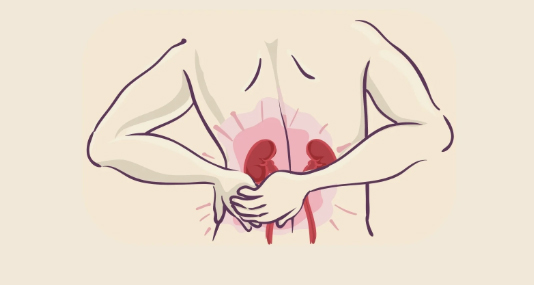

Acute Kidney Injury (AKI)
Acute Kidney Injury (AKI), also known as acute renal failure, refers to a sudden and often rapid decline in kidney function over a short period—typically within hours to a few days. The kidneys normally filter waste products and excess fluids from the blood, maintaining a balance of electrolytes and fluid in the body. When AKI occurs, this filtering process becomes impaired or stops entirely, leading to the build-up of harmful toxins in the bloodstream and dangerous imbalances in the body.
AKI affects people of all ages, but hospitalised and critically ill patients face the highest risk. Major infections like sepsis, severe dehydration, trauma, surgical complications, and nephrotoxic medications—such as certain antibiotics, painkillers, or contrast dyes—often trigger the condition. In South Africa, healthcare workers increasingly diagnose AKI in settings burdened by HIV, TB, and malnutrition, especially in rural clinics and overcrowded urban hospitals.
Who Is at Risk of Acute Kidney Injury?
While AKI can affect people of any age, it is more common in:
- Older adults
- People with diabetes or pre-existing kidney disease
- Patients undergoing major surgery
- Individuals with severe infections or burns
- People exposed to contrast dyes or strong medications
Key Features of AKI
- Sudden decline in kidney function
- May present with decreased urine output, swelling, fatigue, or confusion
- Blood tests reveal elevated creatinine and urea levels
- Early treatment often restores normal kidney function.
- Delays can result in long-term kidney damage or death
Why Early Detection Matters
AKI is considered a medical emergency. The earlier it’s diagnosed, the higher the chances of full recovery. However, with timely care—usually involving intravenous fluids, stopping harmful medications, treating infections, or managing blood pressure—many patients regain normal kidney function. However, when left untreated, AKI can progress to chronic kidney disease (CKD) or even complete kidney failure requiring dialysis.
Raising awareness of AKI is vital, especially in South Africa, where access to diagnostics and dialysis remains limited in many regions. Education, early recognition, and rapid response can save lives and preserve kidney function.
🔹 Next → [Causes and Risk Factors of Acute Kidney Injury]
Adenomyosis(Opens in a new browser tab)
Causes and Risk Factors of Acute Kidney Injury
Complications and Long-Term Outlook of AKI