
Ankylosing Spondylitis Overview
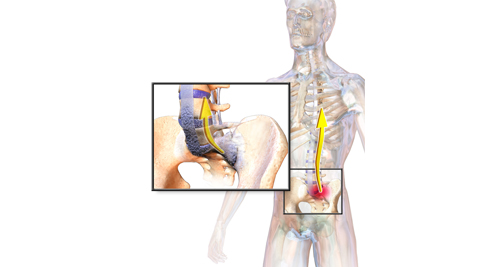
Ankylosing Spondylitis (AS) is a chronic inflammatory disease that primarily affects the spine and sacroiliac joints (where the spine connects to the pelvis). It leads to pain, stiffness, and eventual fusion of the spine, severely limiting flexibility and posture. AS is a form of axial spondyloarthritis, part of a group of related autoimmune diseases.
AS most commonly begins in young adults between ages 15 and 35 and is more frequent in men than women. In South Africa and globally, many cases go undiagnosed for years due to the subtle onset and overlap with common back pain.
Key symptoms include:
- Persistent lower back pain and stiffness
- Pain that improves with movement but worsens with rest
- Morning stiffness lasting more than 30 minutes
- Fatigue
- Pain in the hips, shoulders, or chest wall
Over time, AS can lead to fusion of the spine, resulting in a hunched posture (kyphosis). It may also affect other parts of the body, such as the eyes, heart, and lungs.
Preventing The Worst Ankylosing Spondylitis
Although there is no cure, early diagnosis and treatment can prevent serious complications and help maintain mobility and quality of life.
👉 [Next: Causes and Risk Factors of Ankylosing Spondylitis]
Complications of Ankylosing Spondylitis