
An Overview on Anorexia Nervosa
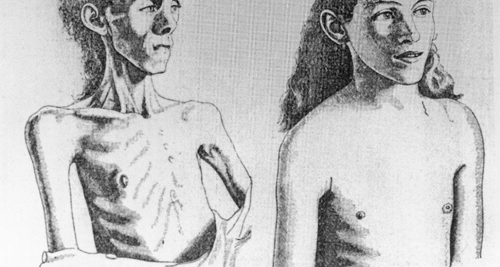
Anorexia nervosa is a serious and potentially life-threatening eating disorder characterised by extreme food restriction, intense fear of gaining weight, and a distorted body image. People with anorexia severely limit their calorie intake, may exercise excessively, and often have an obsessive preoccupation with body shape and weight.
This disorder affects both males and females, but is more common in teenage girls and young women. However, increasing numbers of boys, men, and older adults are being diagnosed globally, including in South Africa.
Despite being underweight, individuals with anorexia often perceive themselves as overweight and continue to lose weight even when it puts their health at risk. This has the highest mortality rate of all mental health disorders, due to both medical complications and suicide.
Key signs and symptoms:
- Extreme weight loss or being significantly underweight
- Fear of weight gain, even when underweight
- Distorted self-image and body dissatisfaction
- Restrictive eating patterns
- Denial of hunger or excuses to avoid meals
- Excessive exercise or food rituals
- Irregular or absent menstruation (in females)
Recovery from Anorexia Nervosa
Anorexia is a complex mental health condition involving psychological, environmental, and biological factors. Recovery is possible with early diagnosis and comprehensive treatment.
👉 [Next: Causes and Risk Factors of Anorexia Nervosa]
Dr Susannah Rose Psychotherapist London
Treatment for Anorexia Nervosa