
Atherosclerosis Overview
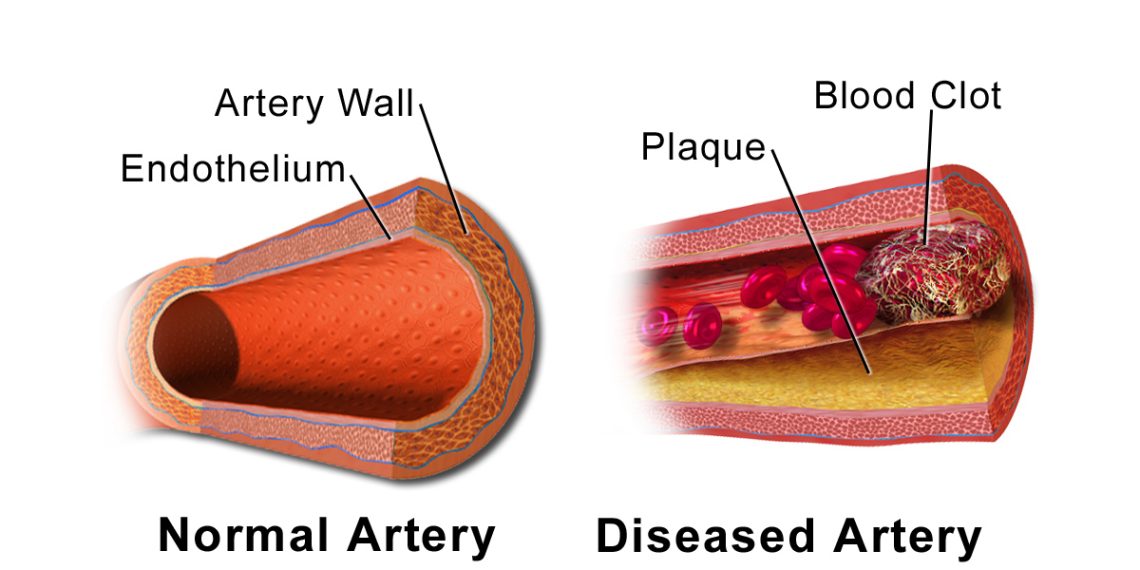
Atherosclerosis is a condition in which plaque builds up inside the arteries, causing them to narrow and harden. This reduces blood flow to vital organs and increases the risk of heart attack, stroke, and other serious health problems.
Plaque is made up of fat, cholesterol, calcium, and other substances found in the blood. Over time, this buildup can restrict or block blood flow and may rupture, causing blood clots.
This condition is a leading cause of cardiovascular disease worldwide, including in South Africa, where rising rates of obesity, diabetes, and high blood pressure are increasing its prevalence.
Common symptoms (depending on the artery affected):
- Chest pain (angina) – if coronary arteries are involved
- Leg pain when walking (claudication) – if leg arteries are affected
- Numbness, confusion, or stroke symptoms – if brain arteries are involved
- High blood pressure or kidney problems – if renal arteries are affected
Atherosclerosis often progresses silently, without noticeable symptoms until an emergency occurs. Prevention, early detection, and lifestyle changes are crucial.
👉 [Next: Causes and Risk Factors of Atherosclerosis]
Complications of Atherosclerosis