Mental Matters

Author name: Staff Writer

What Suicide Prevention Month Means for Us All

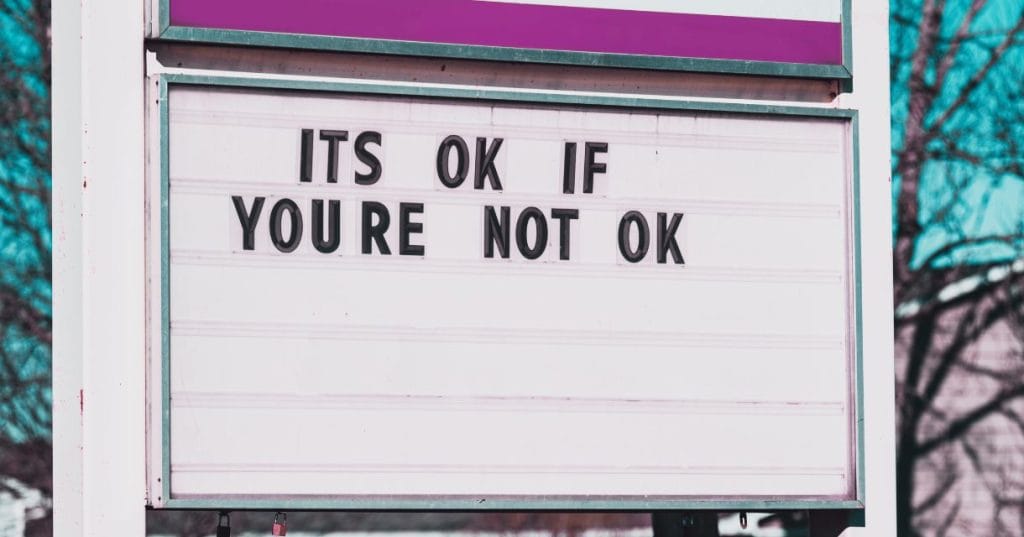
Suicide Prevention Month is a crucial time to raise awareness about a topic that impacts countless lives globally and here in South Africa. With rising suicide rates, we must address real experiences, the pain of loss, and the need for more support. In South Africa, suicide remains a serious public health issue. The World Health Organisation reports that the country’s suicide rate is about 13.4 per 100 000 people, placing it higher than the global average. Youth are especially vulnerable, with suicide being the third leading cause of death among those aged 15-24. Many of these tragedies are preventable, with 75% of people who die by suicide showing warning signs beforehand, according to the South African Depression and Anxiety Group (SADAG). The situation worldwide is similarly alarming. The WHO estimates that over 700 000 people die by suicide each year, making it one of the leading causes of death globally. Every suicide deeply affects families, friends, and communities, often leaving them grappling with intense grief, confusion, and guilt. For those who have lost someone to suicide, the impact is profound. Many describe the experience as a mix of overwhelming sadness, unanswered questions, and a constant battle against “what if” scenarios. Mary*, who lost her brother to suicide, shares, “You keep thinking about the things you could have done differently, the signs you might have missed. It’s a pain that never really goes away, but you learn to live with it.” These stories emphasize the importance of reaching out for help and creating a supportive environment where people feel safe discussing their struggles. Despite the heavy toll, there is hope. Talking about suicide openly and without judgment is one of the most effective ways to prevent it. Encouraging loved ones to seek help, checking in on friends and family, and knowing the signs of depression can make a difference. It’s not always easy to start these conversations, but they can be life-saving. Access to mental health resources is another critical piece of the puzzle. SADAG provides a suicide crisis helpline (0800 567 567), which operates 24/7, offering immediate support for those in need. In addition, Lifeline South Africa (0861 322 322) and the Akeso Clinic Group’s 24-hour helpline (0861 435 787) are available for anyone facing a mental health crisis. These services are crucial, connecting people with professionals who provide essential guidance, support, and intervention. Suicide prevention isn’t just about responding to crises; it’s about creating a culture where mental health is taken seriously, and where people feel empowered to ask for help. Schools, workplaces, and communities all play a role in this. It’s about being present, listening without judgment, and knowing where to turn for help. By raising awareness and breaking the stigma around suicide and mental health, we can work towards reducing the number of lives lost. Remember, it’s okay to not be okay, and there’s always someone who cares enough to listen. Support Resources: *Name changed for privacy reasons. Mental Matters is a resource and information platform. We do not provide medical advice, diagnosis, or treatment. While the information on our website is for general awareness and support, it should not replace professional advice. For any mental health concerns, please consult a qualified healthcare or mental health professional. Recognising the Warning Signs and Symptoms of Suicide How to Support Someone Who Might Be Thinking About Suicide Suicide Prevention Support Feeling Down or Hopeless? Understanding Depression Might Help Crisis and Support Helplines in South Africa


What Suicide Prevention Month Means for Us All Read More »

Why Setting Boundaries Matters

Ever feel like you’re stretched too thin, constantly saying yes when you want to say no? That’s where boundaries come in. Think of them as invisible lines that define what feels right for you and how you’d like to be treated. Boundaries aren’t about shutting people out—they’re about making sure you don’t lose yourself in the process of trying to please everyone else. What Boundaries Can Do for You Once you start setting boundaries, you’ll likely notice some pretty awesome changes in your life: Remember, It’s Not Selfish Setting boundaries isn’t about being selfish. It’s about looking after yourself so you can show up as your best self for the things and people that truly matter. When you’re clear on your limits, you protect your energy, your time, and your mental well-being. And that’s something everyone benefits from. Mental Matters is a resource and information platform. We do not provide medical advice, diagnosis, or treatment. While the information on our website is for general awareness and support, it should not replace professional advice. For any mental health concerns, please consult a qualified healthcare or mental health professional. How to Handle Being Stuck in the Middle Without Losing Your Mind Cape Flats Development Association 5 Boundary Rd Body Boost Clinic Medical center Hull Can Your Counsellor Also Be Your Mentor? Don’t Be a Pushover (But Don’t Be a Jerk Either!)

Why Setting Boundaries Matters Read More »

More Calls for Help: Domestic Violence Cases Rise in Cape Town

Recent reports show a troubling rise in domestic violence incidents in Cape Town. During the 2023-24 period, the City’s Public Emergency Communication Centre (PECC) recorded a staggering 4 378 cases. This increase has put significant pressure on the City’s emergency services. And has highlighted the urgent need for support and intervention. Increasing Demand for Help Over the past 12 months, the PECC, operational since 2000, received 214,437 calls. These calls covered medical emergencies, noise complaints, criminal activities, and interpersonal violence. While calls about noise and medical incidents decreased, those about domestic violence, assaults, and car accidents rose significantly. JP Smith, Mayco member for safety and security, commented: “It’s anyone’s guess whether these stats represent a massive increase in the rate of domestic violence, or if more persons affected by it are speaking up and reaching out. It is clear that domestic violence and interpersonal violence in general remain one of the biggest challenges we are faced with.” The Role of the PECC The PECC, the only municipal emergency call centre in the country, operates 24/7 with a dedicated team of 70 call takers. JP emphasised the importance of the questions asked by operators, which may seem trivial but are crucial in assessing the threat level, the condition of the patient, or the precise location where help is needed. What to Do When You Call for Help For those in need of urgent help, following these guidelines can ensure a more efficient response: For immediate assistance, call 021 480 7700, or 107 from a landline. As Cape Town continues to grapple with rising domestic violence cases, the role of the PECC remains crucial in providing timely and effective support. Mental Matters is a resource and information platform. We do not provide medical advice, diagnosis, or treatment. While the information on our website is for general awareness and support, it should not replace professional advice. For any mental health concerns, please consult a qualified healthcare or mental health professional. Dr Jenny Rose Clinical Psychologist Kylemore Rise Physiotherapy Bristol Rose Park Psychology Rose Park Complications of Antisocial Personality Disorder SADSAWU Salt River

More Calls for Help: Domestic Violence Cases Rise in Cape Town Read More »

Why Talking to Your Kids About Mental Health Matters

Remember when your child was a tiny tornado of energy, and you could practically read their mind? They cried when they were hungry, laughed when they were happy, and threw tantrums when they were tired. It was easy to understand. As they grow, things get more complicated. Their feelings might not be so obvious anymore, and that’s where understanding their mental health becomes important. It’s about knowing what’s happening inside their minds, not just what they show on the outside. Imagine if your child scraped their knee; you’d clean it, put on a plaster, and comfort them. Their minds need attention too. By talking about feelings and emotions, you’re giving them the tools to handle life’s ups and downs—just like you teach them to ride a bike or tie their shoelaces. It’s not about creating perfect kids but about raising strong, resilient individuals who know that their feelings matter. Here’s why talking to your kids about mental health matters: 1. Helps Them Understand Their Feelings When children talk about their emotions, they start to recognise and make sense of them. This helps them manage their feelings better and build emotional resilience. 2. Can Prevent Problems from Getting Worse Addressing mental health early can stop small worries from becoming bigger issues. Just like you’d fix a small problem with their bike before it gets worse, talking about feelings can prevent emotional challenges from becoming overwhelming. 3. It Encourages Help-Seeking Behaviour If children know it’s okay to talk about their emotions, they’re more likely to ask for help when they need it. It makes asking for support feel normal and acceptable, rather than something to be embarrassed about. So, let’s make mental health conversations a regular part of life. Just like you’d check in on their physical health, check in on their mental well-being. It’s a small effort that can make a big difference in their lives. Mental Matters is a resource and information platform. We do not provide medical advice, diagnosis, or treatment. While the information on our website is for general awareness and support, it should not replace professional advice. For any mental health concerns, please consult a qualified healthcare or mental health professional. Chelmsford Talking Therapy Counselor Change Talk Psychotherapist Cardiff Talk Therapy Service Counselling & Psychotherapy Worcester How to Talk to Your Kids About Mental Health Kids at Heart Inc. Paediatric Cardiologist Bloemfontein

Why Talking to Your Kids About Mental Health Matters Read More »

Some Better Answers to Try Instead of “I’m Fine”

We all have our go-to answers, like “I’m fine.” It’s easy, familiar, and keeps things simple. But sometimes, those two words are doing a lot of heavy lifting, hiding more than we care to admit. Here are a few alternatives to “I’m fine” that can help you be more honest without diving into a full-on therapy session: 1. “I’m managing, thanks for asking.” This phrase is a gentle way to say things might not be perfect, but you’re handling it. It’s a bit more truthful than “I’m fine” but still keeps things positive. 2. “I’ve had better days.” If you’re feeling a bit off but don’t want to get into the details, this is a good middle ground. It’s a simple way to let someone know things aren’t great, without making a big deal out of it. 3. “I’m a bit overwhelmed right now.” This one’s for when life feels like a lot. It lets the other person know you’re struggling a bit, without going too deep. If they’re up for it, it could lead to a more supportive conversation. 4. “I’m working through some stuff.” Sometimes, you’re dealing with things but don’t really want to talk about them. This response is honest and gives you space, while still acknowledging that something’s going on. 5. “I’m doing okay, how about you?” This is a bit of a deflection, but in a way that shows you’re open to talking—just not about yourself. It’s a good option if you’d rather focus on someone else’s day. 6. “It’s been a rough day, but I’m hanging in there.” Admitting you’re having a tough time, but also showing that you’re pushing through, can make for a more meaningful exchange. It says you’re being real, but not defeated. 7. “I’m having a tough time, but I appreciate you asking.” This one’s all about gratitude. You’re being honest about your struggles but also letting the other person know their concern means a lot to you. 8. “I’m feeling a bit off today.” If you’re not quite feeling yourself but don’t want to elaborate, this is a gentle way to let someone know. It’s straightforward, yet subtle enough to avoid any pressure to explain further. 9. “I’m here, trying to get through it.” For those days when you’re just getting by, this phrase is honest without being too heavy. It’s a way to say, “I’m dealing with stuff, but I’m still standing.” 10. “Not the best day, but I’m getting by.” This one strikes a balance between being truthful and staying positive. It lets someone know things aren’t ideal, but you’re managing. Mental Matters is a resource and information platform. We do not provide medical advice, diagnosis, or treatment. While the information on our website is for general awareness and support, it should not replace professional advice. For any mental health concerns, please consult a qualified healthcare or mental health professional. I’m Not Just a Victim of My Past Healing Hands Alternative Therapy Clinic Newcastle Dr Gary Michael Fine – Specialist Psychiatrist – Parktown What My Relationship Taught Me About the Struggles of Being Understood

Some Better Answers to Try Instead of “I’m Fine” Read More »

Why Do We Say “I’m Fine” When We’re Actually Not?

Ever asked someone how they’re doing, and they respond with, “I’m fine”? And you can’t help but think, really? Are you sure? “I’m fine” is a quick, almost automatic reply, something we say without thinking too much about it. But what does “I’m fine” actually mean? Is it just a way to avoid the conversation, or is there something more beneath those two little words? 1. It’s the Easy Answer “I’m fine” is the easiest way out. It’s a quick, safe response that keeps people from digging into what’s really going on. Sometimes, it’s just easier to put up a front than to let someone in. 2. Dodging the Real Talk There are times when we just don’t want to get into it. Maybe it’s too painful to talk about, or maybe we just don’t feel like opening up. Saying “I’m fine” helps us dodge those deeper conversations that can feel too heavy. 3. Afraid of Being Judged We might also say “I’m fine” because we’re scared—scared of what people might think if we admit we’re struggling. It’s hard to be honest when you’re worried about being judged or not taken seriously. 4. Keeping It Simple Let’s face it—sometimes we just don’t have the energy to explain what’s really going on. Saying “I’m fine” keeps things simple when we’re feeling too drained to dive into the details. 5. Hiding Behind the Habit After a while, “I’m fine” can become a habit—a way to keep going when things aren’t great. It’s like wearing a mask to get through the day without having to face what’s really bothering us. “I’m fine” can keep us from connecting with people who care. It stops us from getting the support we might actually need. Next time you catch yourself saying “I’m fine,” maybe try some of these alternative answers instead. You might be surprised by the response. Mental Matters is a resource and information platform. We do not provide medical advice, diagnosis, or treatment. While the information on our website is for general awareness and support, it should not replace professional advice. For any mental health concerns, please consult a qualified healthcare or mental health professional. Pierre Cronje Fine Furniture Cape Town House of Hypnosis Sea Point Michaelis School of Fine Art Gardens Dr Gary Michael Fine – Specialist Psychiatrist – Parktown

Why Do We Say “I’m Fine” When We’re Actually Not? Read More »

The Signs of My Depression I Didn’t See

Disclaimer: This story is from a community member, edited for clarity. Since my depression diagnosis, I’ve come to terms with many things I hadn’t noticed before. It’s been a tough journey, but reflecting on these symptoms has really helped me understand what I was going through. One of the first things I noticed was how disconnected my mind and body felt. I’d find myself sleeping endlessly, like I was trying to escape from everything. Even though I spent hours in bed, I never seemed to feel fully rested or refreshed. Mornings were a real struggle, and it felt like I was constantly fighting the urge to stay in bed. At the same time, I couldn’t seem to relax. On some days, I felt so overwhelmed that lying in bed and watching Netflix was all I could manage. The thought of doing anything else felt impossible. Even simple tasks seemed too much to handle, and I just couldn’t find the motivation to get moving. Socially, things were equally confusing. I hated being around people, yet I also desperately wanted their company. I felt isolated but was too drained to reach out or enjoy time with friends and family. This contradiction made me feel even more alone and unsure of how to navigate my relationships. Figuring out these signs has been a big part of understanding my depression and finding the right support. If any of this feels familiar to you, just know you’re not alone. There’s no shame in talking about you are going through or asking for help. If you’re looking for professional support, you can find a therapist or counsellor near you through our search directory. Additionally, here are some helplines in South Africa that might be helpful: Suicide Crisis Helpline: 0800 20 50 26 South African Depression and Anxiety Group (SADAG): 0800 567 567 Lifeline South Africa: 0861 322 322 Mental Matters is a resource and information platform. We do not provide medical advice, diagnosis, or treatment. While the information on our website is for general awareness and support, it should not replace professional advice. For any mental health concerns, please consult a qualified healthcare or mental health professional. Nigel Saw Podiatrist Pod Fit Podiatry Findon Inner Reach Therapy and Counselling York You Are Not Alone Family Centre Tembisa You are not alone women and family centre Maokeng THRIVE Psychological Services Point Edward

The Signs of My Depression I Didn’t See Read More »

Does Journaling Actually Help?

We often hear that journaling is a good habit, but does it really do anything? The truth is, journaling isn’t just about putting pen to paper. It’s a way to check in with yourself—something that can be surprisingly powerful. Here’s why it might be worth giving it a try: 1. Gain Insight into Yourself Journaling can reveal things about yourself that you might not notice in the rush of everyday life. When you write down your thoughts and feelings, you start to connect the dots. It’s not always immediate, but over time, you may see patterns that help you understand what’s really going on inside. 2. Relieve Stress in a Practical Way Life gets heavy sometimes, and journaling can be a way to lighten the load. There’s something about seeing your worries in front of you that makes them feel more manageable. It’s not about finding solutions right away—it’s about giving yourself the space to breathe. 3. Shift Your Perspective Writing about the good things—big or small—can change how you see your life. When you focus on the positives, you start to notice them more in your day-to-day. It’s not about pretending everything is perfect; it’s about balancing the tough moments with a bit of gratitude. 4. Stay on Track with Your Goals Journaling isn’t just about reflection; it’s also a way to keep yourself moving forward. Writing down your goals and checking in on your progress can help you stay motivated. It’s a reminder of where you’re headed, especially when things get tough. You don’t need to journal every day, and there’s no right or wrong way to do it. Just start when you feel the need. It’s a small habit that can make a meaningful difference in how you see yourself and your world. Mental Matters is a resource and information platform. We do not provide medical advice, diagnosis, or treatment. While the information on our website is for general awareness and support, it should not replace professional advice. For any mental health concerns, please consult a qualified healthcare or mental health professional. Nigel Saw Podiatrist Pod Fit Podiatry Findon Cardiff Hypnotherapy Solutions Cardiff Janice Partridge Arts Therapies Muizenberg Start Journaling with These Simple, Feel-Good Prompts Tips for Effective Journaling

Does Journaling Actually Help? Read More »

Can People with Autism Live Independently?

There’s a common misconception that people with autism can’t live independently. But that’s far from the truth. While autism does bring its own set of challenges, it doesn’t define a person’s potential. With the right support and opportunities, individuals with autism can thrive, find their strengths, and live fulfilling lives. Here’s how we can help them on their journey to independence: 1. Understanding Autism Autism isn’t one-size-fits-all. Each person on the spectrum has their own unique needs and abilities. The key is to listen and create a support plan that works for them individually. It’s about understanding, not assuming. 2. Building Essential Life Skills Independence often comes down to learning the right skills. Here are some areas where support can make a difference: 3. Creating a Supportive Environment Everyone deserves a space where they feel safe and supported. Here’s how we can help create that environment for people with autism: 4. Overcoming Challenges Life throws challenges at everyone, and people with autism are no exception. Here’s how we can help: 5. Empowering Choices Independence means making your own choices. Here’s how we can support that: 6. Building a Strong Support Network Connecting with families, support groups, and professionals can provide valuable resources and encouragement. Sharing experiences and learning from others can make a world of difference. Independence is a journey, and with the right support, people with autism can live fulfilling lives, making their own choices and pursuing their passions. Mental Matters is a resource and information platform. We do not provide medical advice, diagnosis, or treatment. While the information on our website is for general awareness and support, it should not replace professional advice. For any mental health concerns, please consult a qualified healthcare or mental health professional. Occupational Therapist Sandton Independent Physio Ltd Wolverhampton Independent Physio ltd Physical therapy Birmingham Is a “Normal Life” Possible After Trauma? Supporting Teenagers With Mental Health

Can People with Autism Live Independently? Read More »

Great Apps for Learning and Communication with Autism

In today’s world, technology offers some great tools for those on the autism spectrum. From helping with communication to making learning fun, there are apps out there that can make a real difference. If you’re looking for some helpful resources, check out these top picks designed to support various needs and skills. 1. Communication and Language Apps: Speech-language pathologist feedback: “Easy to learn and highly customisable for various communication needs.” Available on: iOS User feedback: “My 5-year-old daughter, who has autism, loves this app. It engages her and is easy for her to use and understand.” Available on: iOS, Android 2. Visual Learning and Skill Development: Professional feedback: “Fantastic for one-on-one therapy. I wish there was a way to create folders for each client.” Available on: iOS, Android Available on: iOS, Android 3. Social Skills and Behaviour Support: Available on: iOS, Android 4. Learning and Cognitive Skills: Available on: iOS, Android Choosing the Right App When selecting an app, consider the individual’s specific needs and preferences. Many apps offer free trials or demos, so explore options before committing. Remember, apps should complement, not replace, professional support and therapy. Mental Matters is a resource and information platform. We do not provide medical advice, diagnosis, or treatment. While the information on our website is for general awareness and support, it should not replace professional advice. For any mental health concerns, please consult a qualified healthcare or mental health professional. Second Chance Recovery Centre Smiling Mind: Free Guided Meditations for the Whole Family( Io Vassiliadou Psychologist London Insight Timer App: Better Sleep, Focus, and Mental Health ADHD Tools, Books & Apps for Daily Life

Great Apps for Learning and Communication with Autism Read More »

Scroll to Top