
Autosomal Recessive Polycystic Kidney Disease (ARPKD) Overview
Autosomal Recessive Polycystic Kidney Disease (ARPKD) is a rare but serious genetic disorder that primarily affects the kidneys and liver. Unlike the more common autosomal dominant form (ADPKD), ARPKD often presents in infancy or early childhood and follows a recessive inheritance pattern. Meaning a child must inherit two copies of the faulty gene — one from each parent — to develop the condition.
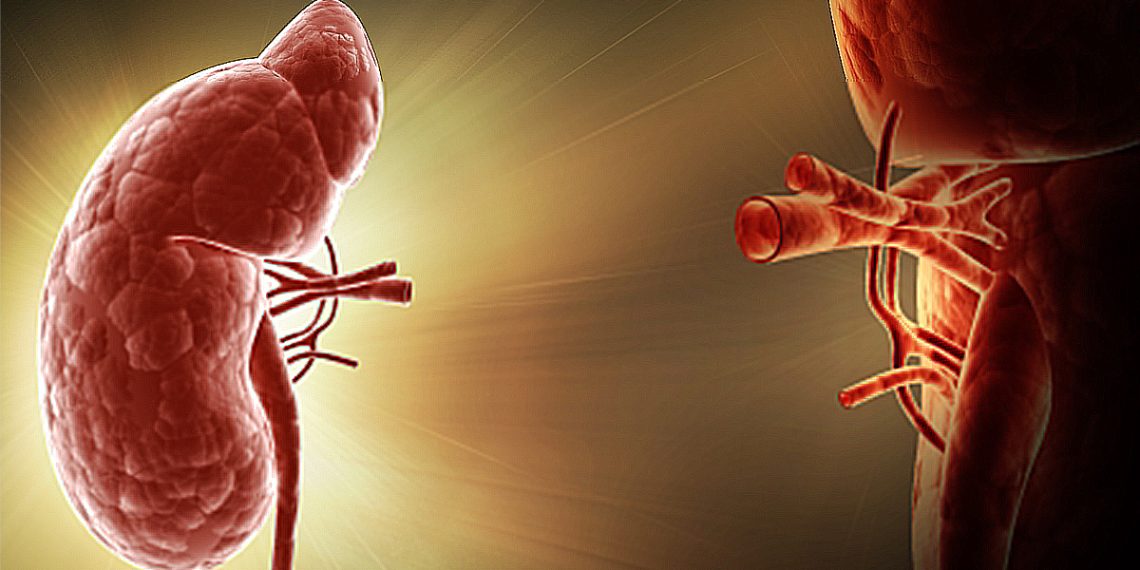
ARPKD is characterised by small fluid-filled cysts that develop in the kidney’s collecting ducts. Therefore, causing the kidneys to enlarge and impairing their function. At the same time, it also causes congenital hepatic fibrosis, a progressive liver disease involving bile duct abnormalities and scarring.
This dual impact on the kidneys and liver makes ARPKD complex to manage. The severity varies widely — some babies show signs before birth, while others are diagnosed later in childhood. In the most severe cases, symptoms are evident on prenatal scans, and newborns may experience respiratory distress due to underdeveloped lungs caused by the pressure of large kidneys in the womb.
Early signs and symptoms include:
- Enlarged abdomen from swollen kidneys
- Breathing difficulties at birth
- High blood pressure in infancy or childhood
- Poor growth and feeding issues
- Frequent urinary tract infections
- Liver complications such as an enlarged spleen, jaundice, or bleeding disorders
Autosomal Recessive Polycystic Kidney Disease
In South Africa, the early recognition and treatment of ARPKD can be challenging. Especially in rural areas with limited access to neonatal specialists and paediatric nephrologists. In many cases, doctors identify the condition during an ultrasound conducted for another concern. Such as poor growth in utero or abdominal swelling in a newborn.
Though ARPKD is life-threatening in its most severe form, many children survive into adolescence and adulthood, especially with early diagnosis. Supportive medical care, and long-term monitoring. Advances in paediatric nephrology and liver management are significantly improving the outlook for affected children.
Early Detection Makes a Difference
Although ARPKD is a rare condition, recognising the signs early — particularly in newborns and infants — can be life-saving. The combination of kidney and liver involvement means the disease can progress rapidly without appropriate intervention. In South Africa, expanding awareness among healthcare workers. Improving access to prenatal and neonatal screening tools can help identify cases sooner and begin crucial treatment during the most vulnerable stages of life.
Living with ARPKD: A Path Forward
Despite its complexity, many children with ARPKD go on to lead meaningful lives. With the support of specialist teams, consistent monitoring, and family involvement, long-term outcomes are improving. Continued investment in paediatric nephrology, public education, and outreach programs is essential to bridge the gap between early diagnosis and effective management. Giving more children the opportunity to thrive.
👉 [Next: Causes and Genetics of ARPKD]