Mental Matters

Mental Matters

  • Health & Wellness
  • Mental Health
  • Live Better
  • Directory
  • Articles & Guides
  • Advertise
  • Blog
  • Fields
  • Health & Wellness
  • Mental Health
  • Live Better
  • Directory
  • Articles & Guides
  • Advertise
  • Blog
  • Fields
  • Health & Wellness
  • Mental Health
  • Live Better
  • Directory
  • Articles & Guides
  • Advertise
  • Blog
  • Fields
  • Health & Wellness
  • Mental Health
  • Live Better
  • Directory
  • Articles & Guides
  • Advertise
  • Blog
  • Fields

Bacterial Vaginosis (BV) Overview

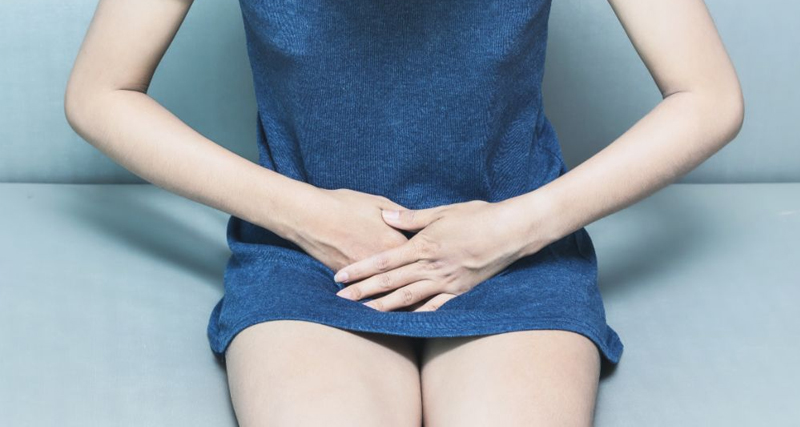
Woman sitting and holding lower abdomen, symbolising discomfort from bacterial vaginosis (BV).

A woman experiencing lower abdominal discomfort, a common symptom associated with bacterial vaginosis and vaginal health concerns.

Bacterial Vaginosis (BV) Overview

“Bacterial Vaginosis (BV) is a common vaginal condition that occurs when the natural balance of bacteria in the vagina shifts. Although BV isn’t a sexually transmitted infection (STI), it occurs more often in sexually active women and often follows changes in vaginal flora caused by various factors.

In a healthy vagina, lactobacilli (good bacteria) dominate and help maintain an acidic environment that protects against infection. BV occurs when harmful anaerobic bacteria, such as Gardnerella vaginalis, outnumber the protective lactobacilli, leading to an imbalance.

BV affects women of all ages but is especially prevalent in women between 15 and 44 years old. Many women in South Africa experience recurrent BV, often unaware of the underlying cause or how to treat it properly. While it’s not dangerous in most cases, untreated BV can lead to increased risk of STIs, pregnancy complications, and pelvic inflammatory disease (PID).

Key symptoms of BV may include:

  • A thin, grey or white vaginal discharge
  • A strong fishy odour, particularly after sex
  • Vaginal irritation or itching (though not always)
  • Burning during urination in some cases

Some women with BV have no symptoms at all. This makes routine screening important during gynaecological exams, especially if symptoms are recurring or if the individual is pregnant.

It’s important to note that poor hygiene does not cause BV. In fact, overwashing or using perfumed soaps and douches can disrupt the vaginal microbiome and make BV more likely.

In South Africa, access to reproductive health education and services varies. “In under-resourced areas, many women rely on clinics that often offer limited testing and treatment for vaginal conditions. However, awareness is growing thanks to educational campaigns and mobile health clinics.

Bacterial Vaginosis

Early diagnosis and proper treatment are key to restoring balance and preventing complications. While BV often recurs and can be frustrating, medication and lifestyle adjustments usually treat most cases effectively.

👉 [Next: Causes and Risk Factors of Bacterial Vaginosis]


Living Well with BV
Bacterial Vaginosis Complications
Diagnosis of Bacterial Vaginosis
Treatment and Recurrence of Bacterial Vaginosis

Related Posts

Illustration of a person clutching the right side of their abdomen, indicating pain linked to bile duct cancer complications.
Bile Duct Cancer

Complications and Prognosis of Bile Duct Cancer

June 9, 2025

Complications and Prognosis of Bile Duct Cancer Cholangiocarcinoma often progresses quietly until...

Man clutching chest with a digital heart illustration, representing complications from congenital heart disease
Congenital Heart Disease

Complications and Recovery from Congenital Heart Disease

June 17, 2025

Complications and Recovery from Congenital Heart Disease Complications and recovery from congenital...

Mental Matters

Facebook Instagram

Your Weekly Dose of Mental Health Support
– Straight to Your Inbox

  • Your journey to better mental health starts here—with expert insights and helpful resources delivered weekly.


© 2025 Mental Matters. All rights reserved. The content on this website is intended for informational purposes only and does not constitute medical advice, diagnosis, or treatment. Please consult a qualified health professional for any medical concerns.

Quick Links

  • Directory

  • Advertise

  • Conditions

  • Real Talk

  • Eating Disorders

  • Depressed

  • Autism

  • Community

  • Resources

About

  • Get In Touch

  • Home

  • Privacy Policy

  • Suicide Prevention Support

  • Terms & Conditions

© 2025 Mental Matters. All rights reserved.

No Result
View All Result
  • Health & Wellness
  • Mental Health
  • Live Better
  • Directory
  • Articles & Guides
  • Advertise
  • Blog
  • Fields

© MENTAL MATTERS 2024