
Bile Duct Cancer Overview
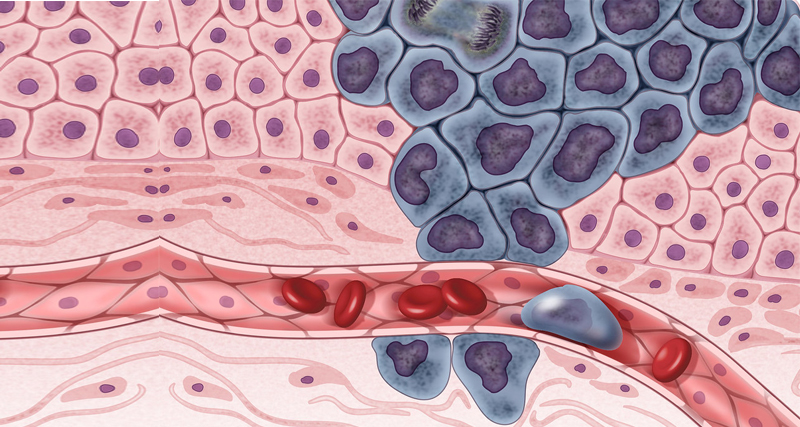
The condition Bile duct cancer, medically known as cholangiocarcinoma, is a rare but aggressive cancerous condition that arises in the ducts, which are tubes that carry biles from the liver to the small intestine. Bile is a fluid produced by the liver that helps digest fats. When cancer forms in these ducts, it can block the flow of bile and lead to serious health complications.
There are three main types of cholangiocarcinoma, depending on where it starts:
- Intrahepatic: Begins in the bile ducts inside the liver.
- Perihilar (also called hilar): Occurs at the junction where the right and left bile ducts exit the liver.
- Distal: Develops in the ducts outside the liver, near the small intestine.
Although bile duct cancer is rare, it’s especially challenging because symptoms usually appear late — often after the disease has already advanced. Early detection is difficult, and by the time it is diagnosed, it may have spread to surrounding tissues or organs.
Key symptoms include:
- Jaundice (yellowing of the skin and eyes)
- Itchy skin
- Dark urine and pale stools
- Abdominal pain, especially on the right side
- Unexplained weight loss
- Fatigue
- Fever or night sweats
- Nausea and loss of appetite
In South Africa, doctors may miss early-stages— particularly in rural or low-resource areas with limited access to specialists and imaging. Doctors often mistake it for more common liver conditions, such as hepatitis or gallstones.
Bile Duct Cancer
While the prognosis for advanced stages can be poor, early intervention with surgery or specialised therapies can improve outcomes. Newer treatments are emerging, offering hope for improved survival in select cases.
👉 [Next: Causes and Risk Factors of Cholangiocarcinoma]