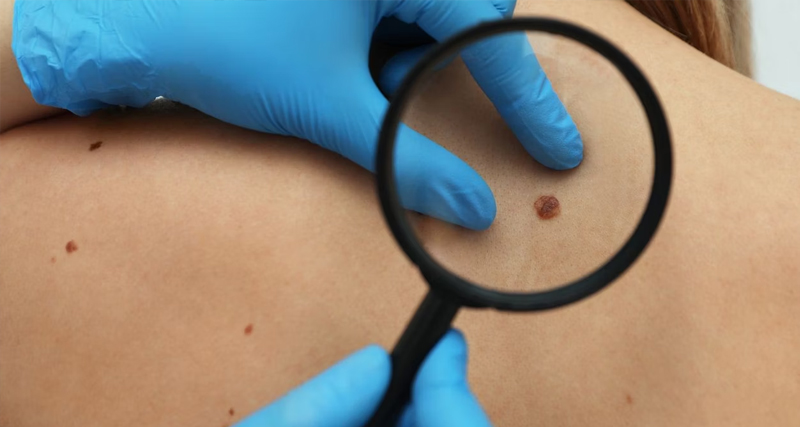

Birthmarks Overview
Birthmarks are coloured spots or marks that are present at birth or develop shortly after. They can appear anywhere on the skin and vary in size, shape, colour, and texture. Most are harmless, but some may require monitoring or medical attention due to their size, growth, or association with underlying conditions.
There are two main types of birthmarks:
- Vascular BM– caused by abnormal blood vessels.
- Pigmented BM– caused by clusters of pigment-producing skin cells.
Some birthmarks fade over time, while others remain for life. Although they are often seen as cosmetic, certain types can have emotional, social, or health implications, especially if located on visible areas like the face or neck.
Common birthmarks include:
- Strawberry naevi (infantile haemangiomas) – raised red marks that grow rapidly and then shrink over time.
- Port wine stains – flat, reddish-purple patches that do not fade and may darken with age.
- Mongolian spots – bluish patches, commonly seen on the lower back or buttocks in babies with darker skin.
- Café-au-lait spots – flat, light brown marks that may increase in number with age.
- Moles (congenital melanocytic naevi) – dark, pigmented spots that can be flat or raised.
In South Africa, these are common across all ethnic groups, but skin tone can influence how easily they are detected or monitored. Some communities may attach cultural meaning or superstition, which can affect how families respond to them.
While most birthmarks are benign, some may signal underlying health issues or lead to cosmetic concerns. It’s important to have any new or growing mark evaluated by a healthcare provider.
Modern treatments, including laser therapy, surgery, or observation, can help manage visible or problematic birthmarks.
👉 [Next: Types of Birthmarks and What They Mean]