
Brain Tumours – Overview
Brain tumours are abnormal growths of cells within the brain or its surrounding structures. These growths can be benign (non-cancerous) or malignant (cancerous), and their effects vary greatly depending on their size, location, and rate of growth. Although the term “tumour” can be alarming, not all tumours are fatal — some are slow-growing and treatable with proper care.
Tumours may arise from brain tissue itself or spread from cancer elsewhere in the body. The brain is housed within the skull, a confined space, so even small tumours can exert pressure, leading to significant symptoms.
Common signs of brain tumours include:
- Persistent headaches (especially in the morning)
- Nausea or vomiting
- Seizures
- Difficulty speaking, seeing, or moving
- Personality or memory changes
- Loss of balance or coordination
These symptoms vary based on the tumour’s position. For instance, a tumour in the frontal lobe may affect decision-making, while one in the occipital lobe may cause vision issues.
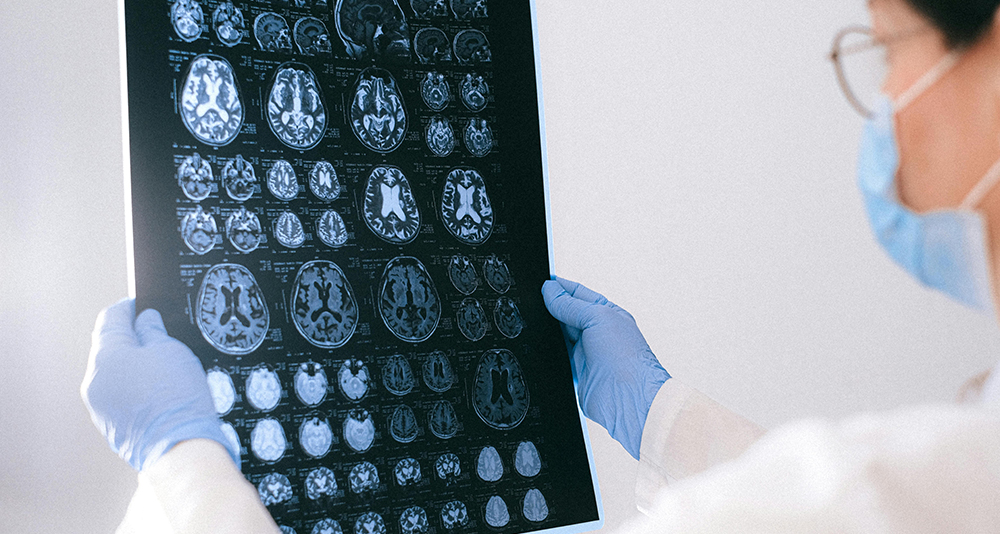
In South Africa, these tumours are diagnosed through imaging (CT scans or MRIs), followed by biopsy if needed. Access to care may differ between urban and rural areas, but specialised neurology and oncology services are expanding.
Treatment depends on the type, location, and grade of the tumour. Options include surgery, radiation, chemotherapy, and targeted therapies.
Brain Tumour
While a diagnosis can be frightening, early detection and modern treatments offer hope. Support networks, neurosurgical advances, and ongoing research continue to improve outcomes for those affected.
Early Awareness Can Save Lives
Brain tumours vary widely in severity, but recognising symptoms early and seeking medical attention can make a significant difference. While some tumours are aggressive, others are slow-growing and manageable — especially with the right care and support.
Advancing Care, Growing Hope
In South Africa and around the world, access to advanced imaging, skilled neurosurgeons, and cancer treatment centres is steadily improving. With early diagnosis, tailored treatment, and community support, many individuals are living longer, fuller lives after a brain tumour diagnosis.
👉 [Next: Causes and Types of Brain Tumours]