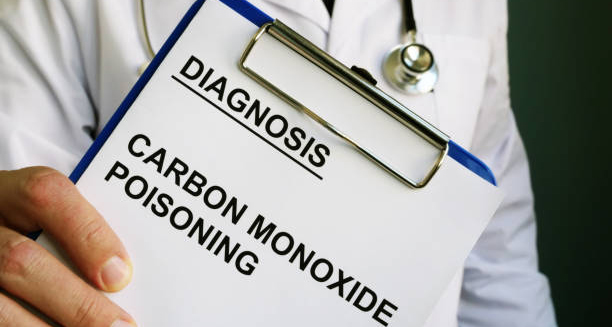

Carbon Monoxide Poisoning – Overview
This condition Carbon monoxide poisoning occurs when CO (a colourless, odourless, and tasteless gas) builds up in the bloodstream and prevents the body from using oxygen properly. CO poisoning can cause serious harm to organs. Additionally, to tissues and is potentially fatal if not recognised and treated quickly.
Incomplete burning of fuels like gas, wood, coal, or oil produces carbon monoxide (CO). Faulty appliances, blocked chimneys, and poorly ventilated heating systems are common sources. Because it is undetectable by human senses, people can inhale CO without knowing, making it especially dangerous.
Once inhaled, carbon monoxide binds to haemoglobin in red blood cells more strongly than oxygen. Reducing the blood’s ability to carry oxygen. As a result, the body deprives vital organs like the brain and heart of oxygen. Furthermore, causing symptoms such as headaches, dizziness, confusion, and eventually loss of consciousness.
Both acute and chronic exposure to carbon monoxide can cause harm. High-level exposure can kill within minutes, while long-term low-level exposure may cause lasting neurological problems.
Carbon Monoxide Poisoning
CO poisoning affects people in all environments — homes, workplaces, and vehicles. Young children, the elderly, pregnant women, and people with heart or lung disease are especially vulnerable.
Early recognition, removal from exposure, and prompt treatment with oxygen can save lives and prevent complications.
[Next: Causes of Carbon Monoxide Poisoning →]