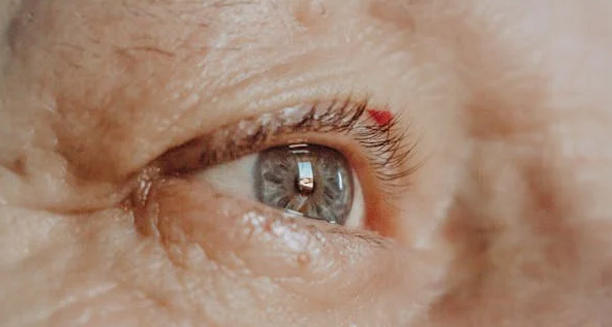

Cataracts – Overview
We’ll learn that Cataracts are one of the most common causes of vision impairment, especially among older adults. This occurs when the clear lens inside the eye becomes cloudy, leading to blurred, foggy, or distorted vision. This progressive condition can affect one or both eyes, reducing the ability to see clearly and making daily activities like reading, driving, or recognising faces more difficult.
The lens of the eye focuses light onto the retina, allowing for sharp, detailed vision. When cataracts develop, the proteins in the lens clump together and scatter light, causing vision to appear dim or blurry. The condition tends to develop slowly, which means people may not notice symptoms until vision is significantly affected.
While ageing is the primary cause, this can also result from injuries, certain medications, eye surgeries, or medical conditions such as diabetes. Lifestyle factors like smoking, prolonged sun exposure, and poor diet can also increase the risk.
As cataracts worsen, they can interfere with quality of life and independence. Colours may seem faded, lights may appear too bright or produce glare, and night vision becomes particularly challenging. Without treatment, this can eventually lead to significant visual disability.
Cataracts
Fortunately, cataracts are treatable. Surgery to remove the clouded lens and replace it with an artificial intraocular lens (IOL) is highly effective, with a success rate of over 95%. Cataract surgery is one of the most commonly performed procedures worldwide and typically restores vision quickly and safely.
Raising awareness about cataracts, recognising early symptoms, and scheduling regular eye exams can help prevent vision loss and support lifelong eye health.
Cataracts – Overview
Cataracts are one of the most common causes of vision impairment, particularly among older adults. They occur when the clear lens inside the eye becomes cloudy, leading to blurred, foggy, or distorted vision. This progressive condition can affect one or both eyes and often makes daily activities like reading, driving, or recognising faces more difficult.
The lens of the eye focuses light onto the retina, enabling sharp and detailed vision. When this develop, the proteins in the lens clump together, scattering light and causing vision to appear dim or blurry. Since the condition usually progresses slowly, many people may not notice symptoms until their vision is significantly impaired.
Cataracts
While ageing is the most common cause, cataracts can also result from eye injuries, certain medications, previous eye surgeries, or medical conditions like diabetes. Lifestyle factors such as smoking, excessive sun exposure, and poor diet also contribute to increased risk.
As cataracts advance, they can severely impact quality of life. Colours may appear faded, lights may cause glare, and night vision deteriorates. If left untreated, cataracts can lead to substantial visual disability. Fortunately, cataract surgery — which replaces the clouded lens with an artificial intraocular lens (IOL) — is highly effective, boasting a success rate above 95%.
Regular eye exams, early detection, and timely treatment are key to preventing vision loss and maintaining lifelong eye health.