
Mental Matters

Explainers

Why Talking to Your Kids About Mental Health Matters

Remember when your child was a tiny tornado of energy, and you could practically read their mind? They cried when they were hungry, laughed when they were happy, and threw tantrums when they were tired. It was easy to understand. As they grow, things get more complicated. Their feelings might not be so obvious anymore, and that’s where understanding their mental health becomes important. It’s about knowing what’s happening inside their minds, not just what they show on the outside. Imagine if your child scraped their knee; you’d clean it, put on a plaster, and comfort them. Their minds need attention too. By talking about feelings and emotions, you’re giving them the tools to handle life’s ups and downs—just like you teach them to ride a bike or tie their shoelaces. It’s not about creating perfect kids but about raising strong, resilient individuals who know that their feelings matter. Here’s why talking to your kids about mental health matters: 1. Helps Them Understand Their Feelings When children talk about their emotions, they start to recognise and make sense of them. This helps them manage their feelings better and build emotional resilience. 2. Can Prevent Problems from Getting Worse Addressing mental health early can stop small worries from becoming bigger issues. Just like you’d fix a small problem with their bike before it gets worse, talking about feelings can prevent emotional challenges from becoming overwhelming. 3. It Encourages Help-Seeking Behaviour If children know it’s okay to talk about their emotions, they’re more likely to ask for help when they need it. It makes asking for support feel normal and acceptable, rather than something to be embarrassed about. So, let’s make mental health conversations a regular part of life. Just like you’d check in on their physical health, check in on their mental well-being. It’s a small effort that can make a big difference in their lives. Mental Matters is a resource and information platform. We do not provide medical advice, diagnosis, or treatment. While the information on our website is for general awareness and support, it should not replace professional advice. For any mental health concerns, please consult a qualified healthcare or mental health professional. Chelmsford Talking Therapy Counselor Change Talk Psychotherapist Cardiff Talk Therapy Service Counselling & Psychotherapy Worcester How to Talk to Your Kids About Mental Health Kids at Heart Inc. Paediatric Cardiologist Bloemfontein

Why Talking to Your Kids About Mental Health Matters Read More »
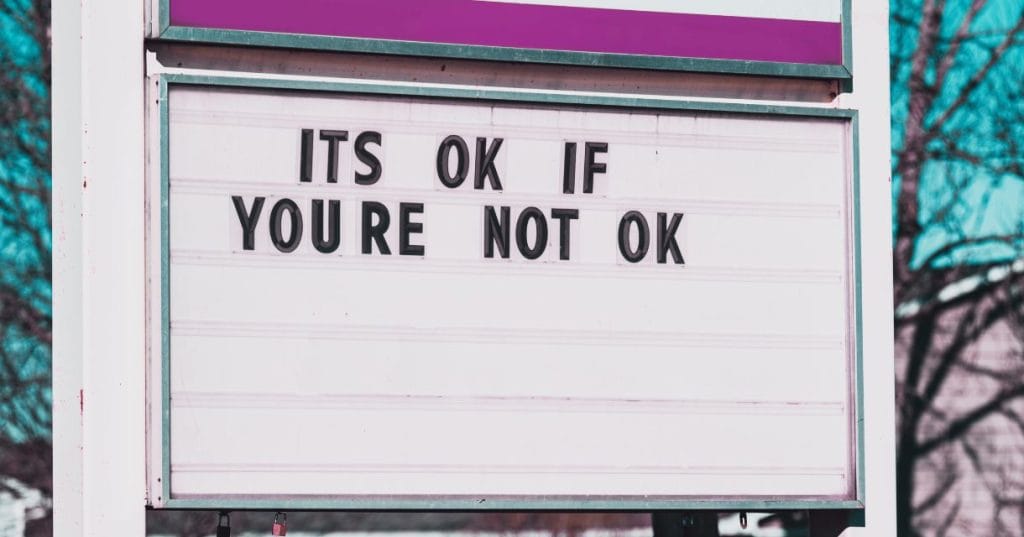
Why Do We Say “I’m Fine” When We’re Actually Not?

Ever asked someone how they’re doing, and they respond with, “I’m fine”? And you can’t help but think, really? Are you sure? “I’m fine” is a quick, almost automatic reply, something we say without thinking too much about it. But what does “I’m fine” actually mean? Is it just a way to avoid the conversation, or is there something more beneath those two little words? 1. It’s the Easy Answer “I’m fine” is the easiest way out. It’s a quick, safe response that keeps people from digging into what’s really going on. Sometimes, it’s just easier to put up a front than to let someone in. 2. Dodging the Real Talk There are times when we just don’t want to get into it. Maybe it’s too painful to talk about, or maybe we just don’t feel like opening up. Saying “I’m fine” helps us dodge those deeper conversations that can feel too heavy. 3. Afraid of Being Judged We might also say “I’m fine” because we’re scared—scared of what people might think if we admit we’re struggling. It’s hard to be honest when you’re worried about being judged or not taken seriously. 4. Keeping It Simple Let’s face it—sometimes we just don’t have the energy to explain what’s really going on. Saying “I’m fine” keeps things simple when we’re feeling too drained to dive into the details. 5. Hiding Behind the Habit After a while, “I’m fine” can become a habit—a way to keep going when things aren’t great. It’s like wearing a mask to get through the day without having to face what’s really bothering us. “I’m fine” can keep us from connecting with people who care. It stops us from getting the support we might actually need. Next time you catch yourself saying “I’m fine,” maybe try some of these alternative answers instead. You might be surprised by the response. Mental Matters is a resource and information platform. We do not provide medical advice, diagnosis, or treatment. While the information on our website is for general awareness and support, it should not replace professional advice. For any mental health concerns, please consult a qualified healthcare or mental health professional. Pierre Cronje Fine Furniture Cape Town House of Hypnosis Sea Point Michaelis School of Fine Art Gardens Dr Gary Michael Fine – Specialist Psychiatrist – Parktown

Why Do We Say “I’m Fine” When We’re Actually Not? Read More »

Does Journaling Actually Help?

We often hear that journaling is a good habit, but does it really do anything? The truth is, journaling isn’t just about putting pen to paper. It’s a way to check in with yourself—something that can be surprisingly powerful. Here’s why it might be worth giving it a try: 1. Gain Insight into Yourself Journaling can reveal things about yourself that you might not notice in the rush of everyday life. When you write down your thoughts and feelings, you start to connect the dots. It’s not always immediate, but over time, you may see patterns that help you understand what’s really going on inside. 2. Relieve Stress in a Practical Way Life gets heavy sometimes, and journaling can be a way to lighten the load. There’s something about seeing your worries in front of you that makes them feel more manageable. It’s not about finding solutions right away—it’s about giving yourself the space to breathe. 3. Shift Your Perspective Writing about the good things—big or small—can change how you see your life. When you focus on the positives, you start to notice them more in your day-to-day. It’s not about pretending everything is perfect; it’s about balancing the tough moments with a bit of gratitude. 4. Stay on Track with Your Goals Journaling isn’t just about reflection; it’s also a way to keep yourself moving forward. Writing down your goals and checking in on your progress can help you stay motivated. It’s a reminder of where you’re headed, especially when things get tough. You don’t need to journal every day, and there’s no right or wrong way to do it. Just start when you feel the need. It’s a small habit that can make a meaningful difference in how you see yourself and your world. Mental Matters is a resource and information platform. We do not provide medical advice, diagnosis, or treatment. While the information on our website is for general awareness and support, it should not replace professional advice. For any mental health concerns, please consult a qualified healthcare or mental health professional. Nigel Saw Podiatrist Pod Fit Podiatry Findon Cardiff Hypnotherapy Solutions Cardiff Janice Partridge Arts Therapies Muizenberg Start Journaling with These Simple, Feel-Good Prompts Tips for Effective Journaling

Does Journaling Actually Help? Read More »

Can People with Autism Live Independently?

There’s a common misconception that people with autism can’t live independently. But that’s far from the truth. While autism does bring its own set of challenges, it doesn’t define a person’s potential. With the right support and opportunities, individuals with autism can thrive, find their strengths, and live fulfilling lives. Here’s how we can help them on their journey to independence: 1. Understanding Autism Autism isn’t one-size-fits-all. Each person on the spectrum has their own unique needs and abilities. The key is to listen and create a support plan that works for them individually. It’s about understanding, not assuming. 2. Building Essential Life Skills Independence often comes down to learning the right skills. Here are some areas where support can make a difference: 3. Creating a Supportive Environment Everyone deserves a space where they feel safe and supported. Here’s how we can help create that environment for people with autism: 4. Overcoming Challenges Life throws challenges at everyone, and people with autism are no exception. Here’s how we can help: 5. Empowering Choices Independence means making your own choices. Here’s how we can support that: 6. Building a Strong Support Network Connecting with families, support groups, and professionals can provide valuable resources and encouragement. Sharing experiences and learning from others can make a world of difference. Independence is a journey, and with the right support, people with autism can live fulfilling lives, making their own choices and pursuing their passions. Mental Matters is a resource and information platform. We do not provide medical advice, diagnosis, or treatment. While the information on our website is for general awareness and support, it should not replace professional advice. For any mental health concerns, please consult a qualified healthcare or mental health professional. Occupational Therapist Sandton Independent Physio Ltd Wolverhampton Independent Physio ltd Physical therapy Birmingham Is a “Normal Life” Possible After Trauma? Supporting Teenagers With Mental Health

Can People with Autism Live Independently? Read More »

Is Time Blocking Worth Trying?

You’ve probably heard of time blocking – the concept of dividing your day into specific chunks dedicated to different tasks. But does it live up to the hype? Time blocking is a time management technique that involves dividing your day into specific blocks of time, each dedicated to a particular task or activity. This structured approach can significantly enhance productivity and focus by providing a clear roadmap for your day. 1. The Benefits of Time Blocking 2. How Time Blocking Works Basic Concept: Schedule specific periods in your calendar for different tasks. Each block is dedicated to a single task or a group of related tasks, allowing for focused work sessions. 3. Does Time Blocking Work for Everyone? Time blocking is a versatile technique that can be adapted to suit various lifestyles and work styles. While it might seem rigid at first, it can be customised to fit your needs. Remember, flexibility is key. You can adjust your time blocks based on your energy levels, deadlines, and personal preferences. 4. Challenges and Considerations While there are many benefits to time blocking, there are challenges that have to be acknowledged. To overcome these challenges, consider incorporating flexibility into your schedule, allowing for buffer time between tasks, and being prepared to adjust your plan as needed. 5. Tips for Successful Time Blocking Time blocking might seem like a big change at first, but it’s worth a shot! By experimenting and finding what works best for you, you could be surprised at how much more you can accomplish. P.S: the goal isn’t perfection, but progress. Mental Matters is a resource and information platform. We do not provide medical advice, diagnosis, or treatment. While the information on our website is for general awareness and support, it should not replace professional advice. For any mental health concerns, please consult a qualified healthcare or mental health professional. Healing: 5 Books Worth Reading Time Flies When You Have ADHD: Practical Tips for Better Time Management(Opens in a new browser tab) Beach House Chiropractic Worthing Occupational Therapist Rondebosch Building Blocks Occupational Therapy Pinelands

Is Time Blocking Worth Trying? Read More »

Easy Tools to Stay Organised and Stress Less

Staying organised can feel impossible when your to-do list just keeps growing. Whether you’re managing ADHD or just trying to keep your life in order, finding the right tools can make things a lot easier. These tools can help you feel more in control and less stressed, while also giving you that little boost when you tick something off your list. Calendar Apps for Keeping Track Most of us have calendar apps like Google Calendar or Apple Calendar on our phones, but are you really making the most of them? Top Picks: To-Do List Apps for Managing Tasks When your to-do list feels like it’s never-ending, apps like Todoist, TickTick, or Microsoft To Do can help you break things down. Top Picks: Try out a few options—many of these apps offer free trials, so you can see what fits best for you. With the right app, you can turn your chaotic to-do list into something manageable, making your day a little smoother and a lot more productive. Mental Matters is a resource and information platform. We do not provide medical advice, diagnosis, or treatment. While the information on our website is for general awareness and support, it should not replace professional advice. For any mental health concerns, please consult a qualified healthcare or mental health professional. ADHD Tools, Books & Apps for Daily Life Insight Timer App: Better Sleep, Focus, and Mental Health What Is Notion? Bravo Psychotherapy Abbotsford Serious Question: Anyone Else Dread Their To-Do List?

Easy Tools to Stay Organised and Stress Less Read More »

Different Types of Meditation

Meditation has become increasingly popular as a way to reduce stress, enhance well-being, and improve mental clarity. But did you know there are many different types of meditation? Each one offers unique benefits and suits different personalities and needs. Here’s a look at some of the most common types of meditation and what they can offer you. 1. Mindfulness Meditation What it is: Mindfulness meditation involves paying attention to your thoughts, feelings, and sensations in the present moment without judgment. How to do it: Sit comfortably, close your eyes, and focus on your breath. Notice the sensation of the air entering and leaving your nose. When your mind wanders, gently bring your focus back to your breath. Benefits: Mindfulness meditation can reduce stress, improve focus, and enhance emotional regulation. 2. Transcendental Meditation What it is: Transcendental Meditation (TM) involves silently repeating a mantra—a specific word or phrase—to settle the mind and reach a state of deep relaxation. How to do it: Sit comfortably with your eyes closed and silently repeat your chosen mantra for 15-20 minutes, twice a day. Benefits: TM can lower blood pressure, reduce anxiety, and promote overall well-being. 3. Guided Meditation What it is: Guided meditation involves listening to a teacher or audio recording that leads you through the meditation process. How to do it: Find a comfortable place to sit or lie down, close your eyes, and listen to a guided meditation on an app, YouTube, or other platform. Benefits: Guided meditation is great for beginners as it provides direction and focus. It can help with relaxation, stress reduction, and sleep. 4. Loving-Kindness Meditation What it is: Also known as Metta meditation, this practice involves directing positive energy and wishes of well-being to yourself and others. How to do it: Sit comfortably, close your eyes, and focus on sending loving-kindness to yourself. Gradually extend these wishes to loved ones, acquaintances, and even those with whom you have conflicts. Benefits: Loving-kindness meditation can increase empathy, compassion, and emotional resilience. 5. Body Scan Meditation What it is: Body scan meditation involves paying close attention to different parts of your body, from head to toe, to release tension and promote relaxation. How to do it: Lie down comfortably and close your eyes. Slowly bring your attention to different parts of your body, starting from your toes and moving up to your head, noticing any sensations. Benefits: This meditation can reduce physical tension, improve body awareness, and enhance relaxation. 6. Zen Meditation What it is: Also known as Zazen, Zen meditation is a traditional Buddhist practice that involves focusing on breath and being present in the moment. How to do it: Sit in a comfortable position, often cross-legged on a cushion, and focus on your breath. Keep your eyes half-open, gazing at a spot on the floor in front of you. Benefits: Zen meditation can improve concentration, promote inner peace, and deepen spiritual understanding. 7. Mantra Meditation What it is: Mantra meditation involves the repetition of a word or phrase (mantra) to help focus the mind and achieve a deeper state of meditation. How to do it: Choose a mantra, sit comfortably, close your eyes, and repeat the mantra silently or out loud for a set period. Benefits: Mantra meditation can help quiet the mind, reduce distractions, and deepen meditation practice. 8. Movement Meditation What it is: Movement meditation combines physical activity with mindfulness. Yoga, Tai Chi, and walking meditation are common examples. How to do it: Engage in gentle, mindful movement while paying attention to your breath and the sensations in your body. Benefits: Movement meditation can improve physical health, increase body awareness, and reduce stress. Taking the First Step Choosing the right type of meditation depends on your personal preferences and goals. Here are some tips to help you get started: Meditation offers a pathway to greater peace, clarity, and well-being. By exploring different types of meditation, you can find the practice that best suits your needs and enhances your life. Mental Matters is a resource and information platform. We do not provide medical advice, diagnosis, or treatment. While the information on our website is for general awareness and support, it should not replace professional advice. For any mental health concerns, please consult a qualified healthcare or mental health professional. John Waller Counselling & mindfulness meditation in Bath Insight Timer App: Better Sleep, Focus, and Mental Health Heal Grow Flow Counsellor Claremont Smiling Mind: Free Guided Meditations for the Whole Family Pain Deep South

Different Types of Meditation Read More »

The Benefits of Therapy and How to Get Started

“Therapy helped me understand myself better. It wasn’t about fixing problems as much as it was about unpacking them, understanding where they came from, and how they were impacting me.” The idea of starting therapy can be intimidating. Let’s break it down and make the whole process less daunting. 1. Why Therapy? A Safe Space: Therapy provides a confidential and judgment-free space for you to express yourself openly. Professional Guidance: Therapists are trained to listen, understand, and offer insights that can help you see things from a different perspective. They can equip you with tools and techniques to manage your challenges more effectively. Improved Mental Health: Regular therapy sessions can help reduce symptoms of anxiety, depression, and other mental health conditions. Over time, you may find yourself feeling more balanced and resilient. Better Relationships: Therapy isn’t just about your individual growth. It can also help improve your relationships with others by improving both your communication skills and emotional intelligence. Self-Discovery: Through therapy, you can gain a deeper understanding of yourself, your motivations, and your patterns of behaviour. This self-awareness is the first step toward making meaningful changes in your life. 2. How to Get Started 3. Some Common Concerns “What if I don’t click with my therapist?” — It’s okay to shop around. Finding the right therapist is like dating; sometimes, it takes a few tries. “Therapy is expensive.” —Yes, it can be, but many therapists offer sliding scale fees based on your income. Check if your insurance covers mental health services. “I don’t have time.” —Think of therapy as an investment in your well-being. Prioritise it like you would a doctor’s appointment or a buying your monthly groceries. 4. Making the Most of Therapy Starting therapy can be one of the most rewarding decisions you’ll ever make. It’s a step toward better mental health, improved relationships, and a deeper understanding of yourself. So, if you’ve been thinking about it, why not take the plunge? Remember, the journey of a thousand miles begins with a single step. Here’s to your journey towards well-being and self-discovery! Mental Matters is a resource and information platform. We do not provide medical advice, diagnosis, or treatment. While the information on our website is for general awareness and support, it should not replace professional advice. For any mental health concerns, please consult a qualified healthcare or mental health professional. Posture Right Chiropractors Gloucester Treatment for Depression Rooms for Therapists Psychotherapist- Brighton South Birmingham Counselling and Psychotherapy Birmingham Glasgow Cognitive Therapy Centre Counselor

The Benefits of Therapy and How to Get Started Read More »

Clinical Psychologist Gardens

Choosing the Right Mental Health Professional in South Africa

Sometimes we all need a little extra support. If you’re thinking about taking care of your mental health in South Africa, you might be wondering who to see – a therapist, psychologist, or psychiatrist? It can feel overwhelming, but don’t worry! Here’s a breakdown of some common mental health professionals to help you find the perfect fit. 1. Therapists Think of therapists as supportive coaches for your mental well-being. In South Africa, this term can refer to registered counsellors, social workers, or even psychologists who use talk therapy techniques to help you understand your emotions, thoughts, and behaviours. Therapists can be a great fit if you’re dealing with anxiety, stress, relationship issues, or just want to improve your overall mental health. 2. Psychologists Psychologists in South Africa are talk therapy experts with at least a master’s degree in psychology. They are registered with the Health Professions Council of South Africa (HPCSA) and use various approaches, like Cognitive Behavioural Therapy (CBT), to help you manage challenges and develop coping mechanisms. Consider seeing a psychologist if you’re looking for an in-depth exploration of your mental health or need help managing specific conditions. 3. Psychiatrists Psychiatrists are medical doctors who specialise in mental health. They can diagnose mental health conditions, prescribe medication, and sometimes provide psychotherapy. Psychiatrists are often the right choice if you’re experiencing severe mental illnesses or haven’t found relief with talk therapy alone. They are necessary for managing conditions like bipolar disorder, schizophrenia, or severe depression, where medication may be required alongside therapy. 4. Making the Choice Here’s a real-life example to help you decide: Don’t be afraid to ask questions! It’s important to find a professional you feel comfortable talking to, which is key to successful treatment. 5. The Collaborative Approach The beauty of mental healthcare in South Africa is the collaborative approach. Therapists, psychologists, and psychiatrists often work together to create a treatment plan that fits your unique needs. Social workers can also be part of the team, addressing social factors impacting your mental health and connecting you with community resources. 6. Taking Care of Yourself Matters No matter who you choose to see, remember: taking care of your mental health is an investment in yourself. There are many resources available in South Africa. From organisations like the South African Depression and Anxiety Group (SADAG) to public hospitals offering mental health services. Access to mental health care can vary depending on where you are, but don’t be afraid to reach out for help – you deserve to feel better! Mental Matters is a resource and information platform. We do not provide medical advice, diagnosis, or treatment. While the information on our website is for general awareness and support, it should not replace professional advice. For any mental health concerns, please consult a qualified healthcare or mental health professional. Posture Right Chiropractors Gloucester Counsellor Stellenbosch Treatment for Depression South Birmingham Counselling and Psychotherapy Birmingham Clinical Psychologist South Africa

Choosing the Right Mental Health Professional in South Africa Read More »

Understanding the Different Types of Psychologists in South Africa

In South Africa, psychologists come in various forms, each with their own specialty. Whether you’re dealing with everyday stress, a complex mental health issue, or workplace challenges, understanding the different types of psychologists can help you find the support you need. Here’s a breakdown of the main types of psychologists in South Africa and what they do. 1. Clinical Psychologists Clinical psychologists are trained to assess, diagnose, and treat mental health disorders. They work with individuals experiencing a wide range of psychological issues, from depression and anxiety to more severe conditions like schizophrenia. 2. Counselling Psychologists Counselling psychologists help people manage life’s challenges and emotional difficulties. Their focus is on improving psychological well-being rather than treating severe mental disorders. 3. Educational Psychologists Educational psychologists focus on the psychological aspects of learning and development in children and adolescents. They assess and provide interventions for learning difficulties and developmental disorders. 4. Industrial/Organisational Psychologists Industrial/organisational psychologists study workplace behaviour and focus on improving organisational effectiveness. 5. Forensic Psychologists Forensic psychologists apply psychological principles within the legal system. They work with courts, correctional facilities, and law enforcement agencies, focusing on criminal behaviour, legal assessments, and providing expert witness testimony. 6. Research Psychologists Research psychologists conduct studies to advance the understanding of psychological phenomena. They work in universities, research institutions, and government agencies, focusing on experimental psychology, cognitive psychology, and social psychology research. 7. Neuropsychologists Neuropsychologists specialise in understanding the relationship between the brain and behaviour. They assess and treat individuals with brain injuries, neurological disorders, and cognitive impairments. 8. Sport Psychologists Sport psychologists focus on the mental aspects of athletic performance and well-being. They work with athletes and sports teams to enhance performance, build mental resilience, and recover from injuries. 9. Community Psychologists Community psychologists work on social issues and promote community well-being. They focus on broader social systems, aiming to improve the mental health and quality of life of communities. 10. Health Psychologists Health psychologists study the interaction between psychological factors and physical health. They work in hospitals, clinics, and research institutions, helping patients manage chronic illnesses, promoting healthy behaviours, and designing behavioural interventions. Getting the Right Help In South Africa, all psychologists must be registered with the Health Professions Council of South Africa (HPCSA) to practise. You can visit the HPCSA website to find more information or check a psychologist’s registration. For specific fields, you can also check out the South African Clinical Psychology Association (SACPA), Psychological Society of South Africa (PsySSA), and other relevant professional bodies. Mental Matters is a resource and information platform. We do not provide medical advice, diagnosis, or treatment. While the information on our website is for general awareness and support, it should not replace professional advice. For any mental health concerns, please consult a qualified healthcare or mental health professional. Chester Psychotherapy and Counselling Bone Cancer Clinical Psychologist Cape Town Causes and Types of Arthritis Clinical Psychologist South Africa

Understanding the Different Types of Psychologists in South Africa Read More »

Scroll to Top