Mental Matters

Mental Matters

  • Health & Wellness
  • Mental Health
  • Live Better
  • Directory
  • Articles & Guides
  • Advertise
  • Blog
  • Fields
  • Health & Wellness
  • Mental Health
  • Live Better
  • Directory
  • Articles & Guides
  • Advertise
  • Blog
  • Fields
  • Health & Wellness
  • Mental Health
  • Live Better
  • Directory
  • Articles & Guides
  • Advertise
  • Blog
  • Fields
  • Health & Wellness
  • Mental Health
  • Live Better
  • Directory
  • Articles & Guides
  • Advertise
  • Blog
  • Fields

Causes and Diagnosis of Brain Death

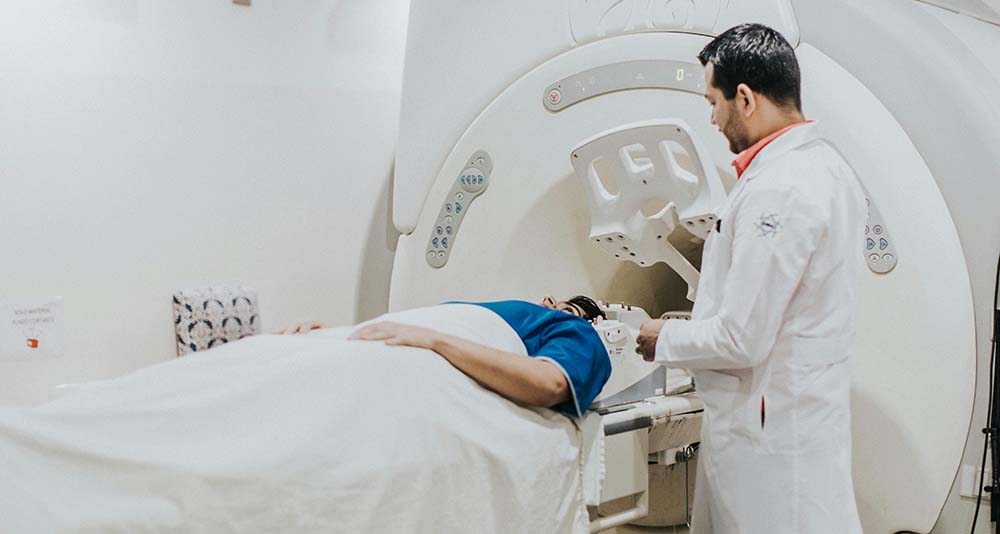
Patient undergoing MRI brain scan with technician in hospital

A radiologist monitors a patient during an MRI procedure, crucial for diagnosing brain death and assessing neurological function.

Causes and Diagnosis of Brain Death

The causes and diagnosis of brain death involve catastrophic brain injuries followed by detailed medical testing. Understanding the causes and diagnosis of brain death helps families, healthcare providers, and legal systems make informed decisions about end-of-life care and organ donation.

Causes of Brain Death:

  1. Traumatic brain injury


Severe blows to the head — often from road accidents, falls, or violent trauma — can cause the brain to swell beyond the skull’s ability to accommodate pressure, leading to irreversible damage.

  1. Stroke or brain haemorrhage


A major stroke or aneurysm can cut off blood supply to the brain. This results in widespread brain tissue death.

  1. Cardiac arrest


When the heart stops pumping blood, oxygen flow to the brain is halted. After just a few minutes, brain cells begin to die.

  1. Severe brain infections


Conditions such as encephalitis or meningitis can cause severe brain swelling. If not treated quickly, this swelling can lead to permanent brain damage or even brain death.

  1. Lack of oxygen


Drowning, suffocation, or respiratory failure can result in prolonged hypoxia — the brain can only survive a few minutes without oxygen.

Diagnosis of Brain Death:

Medical professionals follow a strict protocol:

  • Doctors must confirm that the brain injury has a clear, irreversible cause.
  • Doctors must rule out any reversible conditions, such as drug overdose or hypothermia, before confirming brain death.
  • Doctors test for brainstem reflexes by shining a light in the eyes to check pupil response, moving the head to observe eye movement, touching the throat to trigger the gag reflex, and pausing the ventilator to see if the patient tries to breathe on their own. These steps confirm whether any brain activity remains

If brainstem function is absent and the condition persists, brain death is declared.

In South Africa, two qualified doctors—often including a neurologist or critical care specialist—must confirm brain death. In complex cases, they may use EEGs or cerebral blood flow tests for added certainty.

Confirming the causes and diagnosis of brain death is essential for clarity, dignity, and appropriate next steps for the patient and their family.

👉 [Next: Legal and Ethical Aspects of Brain Death]



Complications of Alcohol Poisoning
Medical Management After Brain Death
Living Through Loss with Brain Death
Brain Death

Related Posts

Person clutching abdomen showing possible liver complications from hepatitis A
Health Conditions

Complications of Hepatitis A

July 24, 2025

The complications of hepatitis A are relatively rare in otherwise healthy individuals,...

NSAID capsule used in the treatment of gout symptoms and inflammation
Gout

Treatment of Gout

July 11, 2025

Treatment of Gout The treatment of gout aims to relieve the pain...

Mental Matters

Facebook Instagram

Your Weekly Dose of Mental Health Support
– Straight to Your Inbox

  • Your journey to better mental health starts here—with expert insights and helpful resources delivered weekly.


© 2025 Mental Matters. All rights reserved. The content on this website is intended for informational purposes only and does not constitute medical advice, diagnosis, or treatment. Please consult a qualified health professional for any medical concerns.

Quick Links

  • Directory

  • Advertise

  • Conditions

  • Real Talk

  • Eating Disorders

  • Depressed

  • Autism

  • Community

  • Resources

About

  • Get In Touch

  • Home

  • Privacy Policy

  • Suicide Prevention Support

  • Terms & Conditions

© 2025 Mental Matters. All rights reserved.

No Result
View All Result
  • Health & Wellness
  • Mental Health
  • Live Better
  • Directory
  • Articles & Guides
  • Advertise
  • Blog
  • Fields

© MENTAL MATTERS 2024