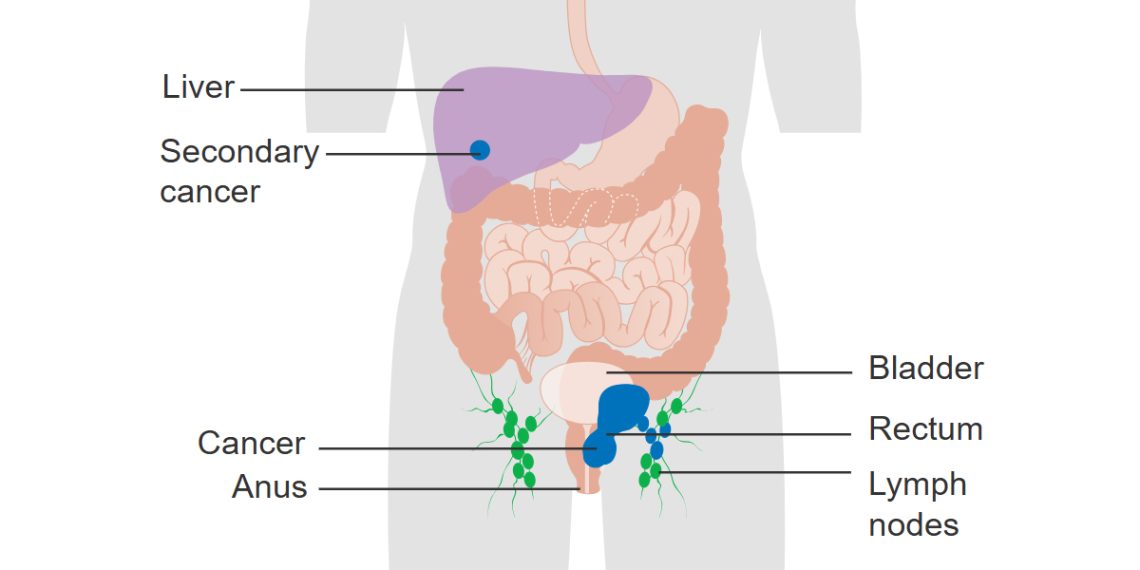

Causes and Risk Factors of Anal Cancer
Anal cancer occurs when genetic mutations cause cells in the anal canal to grow uncontrollably. Regardings causes and risk factors of anal cancer, these mutations are often triggered by viral infections, immune system problems, or chronic irritation.
1. Human Papillomavirus (HPV)
- The most significant cause of anal cancer.
- Particularly HPV types 16 and 18, which are also linked to cervical cancer.
- Transmitted through sexual contact, including anal intercourse and skin-to-skin contact.
2. Weakened Immune System
- People living with HIV/AIDS are at significantly increased risk.
- Those on long-term immunosuppressive therapy (e.g. post-organ transplant) are also vulnerable.
3. Sexual History
- High number of sexual partners
- Receptive anal sex
- History of other sexually transmitted infections (STIs)
4. Smoking
- Tobacco use damages DNA and weakens immune defences against HPV.
5. Age and Gender
- Most common in people over 50
- Slightly more common in women, especially those with a history of HPV-related conditions
6. History of Cervical, Vulvar, or Vaginal Cancer
- Because these cancers also involve HPV, survivors may be at higher risk of developing anal cancer.
7. Chronic Anal Inflammation
- From long-standing fissures, fistulas, or haemorrhoids
Understanding these risk factors can guide prevention strategies — such as HPV vaccination, regular screening for at-risk individuals, and early medical attention for anal symptoms.
👉 [Next: Diagnosis of Anal Cancer]