
Causes and Risk Factors of Baker’s Cyst
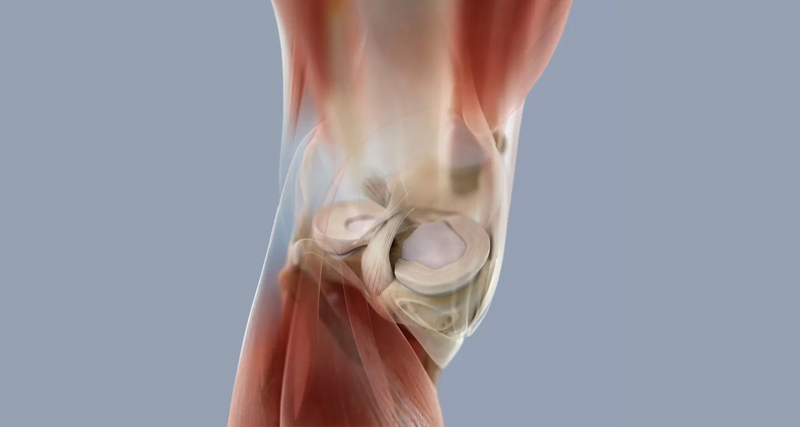
A Baker’s cyst develops when synovial fluid — the lubricating fluid in the knee joint — is produced in excess and becomes trapped behind the knee. This usually occurs due to underlying joint inflammation or injury, causing the joint to produce more fluid than usual. The fluid then bulges out into the popliteal bursa, a small sac behind the knee, forming a visible or palpable cyst. Read more about the causes and risk factors of Baker’s cyst below.
Common causes of Baker’s cysts include:
- Osteoarthritis
- The most frequent cause, especially in older adults.
- As cartilage wears down, joint irritation increases fluid production.
- Rheumatoid arthritis
- An autoimmune disease that causes chronic joint inflammation, increasing synovial fluid.
- An autoimmune disease that causes chronic joint inflammation, increasing synovial fluid.
- Meniscus tears
- Injury to the knee cartilage can destabilise the joint and lead to fluid accumulation.
- Injury to the knee cartilage can destabilise the joint and lead to fluid accumulation.
- Gout or pseudogout
- Crystal deposits in the joint may trigger inflammation and fluid buildup.
- Crystal deposits in the joint may trigger inflammation and fluid buildup.
- Knee trauma
- Sports injuries or repetitive strain from occupations involving kneeling or squatting can contribute.
- Sports injuries or repetitive strain from occupations involving kneeling or squatting can contribute.
- Post-surgical swelling
- Sometimes a cyst forms after knee surgery due to healing responses or fluid retention.
Risk factors that make someone more likely to develop a Baker’s cyst include:
- Being over the age of 40
- Having a history of knee injuries
- Performing repetitive kneeling or squatting (e.g. in farming, cleaning, or construction)
- Having inflammatory joint diseases
- Previous knee surgeries
In South Africa, people in manual labour-intensive roles or who experience delays in seeking treatment for joint pain may be more at risk. Furthermore, long-term untreated knee conditions not only worsen quality of life but may also increase the likelihood of cyst formation.
Understanding the cause is crucial. Additionally, treating just the cyst without addressing the underlying joint issue often results in recurrence. For example, draining a cyst caused by osteoarthritis will only offer temporary relief unless the arthritis itself is managed.
It Starts With the Joint
A Baker’s cyst isn’t a problem on its own — it’s a sign that something deeper is going on in the knee. Therefore, whether it’s arthritis, an injury, or inflammation, identifying the root cause is key to lasting relief.
Know Your Risk, Protect Your Knees
If you have a history of joint problems, or work in a physically demanding job, be proactive. Additionally, early intervention and proper joint care can go a long way in preventing cyst formation and avoiding long-term complications.
👉 [Next: Diagnosis of a Baker’s Cyst]