Mental Matters

Mental Matters

  • Health & Wellness
  • Mental Health
  • Live Better
  • Directory
  • Articles & Guides
  • Advertise
  • Blog
  • Fields
  • Health & Wellness
  • Mental Health
  • Live Better
  • Directory
  • Articles & Guides
  • Advertise
  • Blog
  • Fields
  • Health & Wellness
  • Mental Health
  • Live Better
  • Directory
  • Articles & Guides
  • Advertise
  • Blog
  • Fields
  • Health & Wellness
  • Mental Health
  • Live Better
  • Directory
  • Articles & Guides
  • Advertise
  • Blog
  • Fields

Causes and Risk Factors of Behçet’s Disease

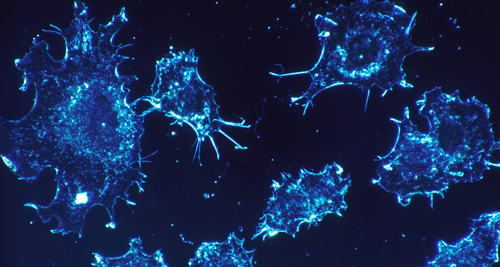
Microscopic image of immune cells, symbolising autoimmune activity linked to Behçet’s disease causes and risk factors.

An image showing immune cells under a microscope, highlighting the autoimmune and inflammatory processes behind Behçet’s disease.

Causes and Risk Factors of Behçet’s Disease

The causes and risk factors of Behçet’s disease are not fully understood, but researchers believe it results from a combination of genetic, immune, and environmental factors. What sets Behçet’s apart from many other autoimmune diseases is its wide range of symptoms and vascular inflammation.

Key contributing factors:

  1. Genetic predisposition
    • People with a specific genetic marker, HLA-B51, are at increased risk.
    • This gene is more common in people from the Middle East and East Asia but can be found globally.
  2. Immune system dysfunction
    • Behçet’s is considered an auto-inflammatory disorder, meaning the immune system becomes overactive, particularly during flares.
    • Instead of targeting infections, the immune system mistakenly attacks healthy tissues.
  3. Infectious triggers
    • Infections may play a role in triggering the disease, especially in genetically susceptible individuals.
    • Viral or bacterial infections can spark an immune response that persists even after the infection resolves.
  4. Environmental exposure
    • Exposure to certain pathogens or toxins may initiate symptoms in genetically predisposed people.

Risk factors include:

  • Age: Most commonly begins between ages 20 and 40
  • Gender: In some populations (e.g., Middle East), men are more severely affected
  • Ethnicity: More common in people from the Silk Road region, but present worldwide
  • Family history: Having a relative with Behçet’s may slightly increase risk

In South Africa, Behçet’s disease is rare, which can make diagnosis difficult. Many patients may be misdiagnosed with conditions such as lupus, herpes, or Crohn’s disease, particularly if symptoms occur in isolation.

Healthcare providers should suspect Behçet’s if a person experiences recurrent mouth and genital ulcers, unexplained eye inflammation, or vascular symptoms across multiple body systems.

Causes and Risk Factors of Behçet’s Disease

While it is not contagious and does not spread between people, Behçet’s is lifelong and requires ongoing medical care. Identifying risk factors and symptoms early allows for timely intervention and improved outcomes.

👉 [Next: Diagnosis of Behçet’s Disease]


Behçet’s Disease
Complications and Long-Term Outlook of Behçet’s Disease
Treatment and Management of Behçet’s Disease
Living with Behçet’s Disease

Related Posts

Radiation hazard symbol representing environmental exposure as a cause of chronic myeloid leukaemia.
Chronic Myeloid Leukaemia

Causes of Chronic Myeloid Leukaemia

June 13, 2025

Causes of Chronic Myeloid Leukaemia Causes of chronic myeloid leukaemia are primarily...

Man experiencing headache and disorientation, symptoms of concussion
Concussion

Symptoms of Concussion

June 17, 2025

Symptoms of Concussion Symptoms of concussion can appear immediately after the injury...

Mental Matters

Facebook Instagram

Your Weekly Dose of Mental Health Support
– Straight to Your Inbox

  • Your journey to better mental health starts here—with expert insights and helpful resources delivered weekly.


© 2025 Mental Matters. All rights reserved. The content on this website is intended for informational purposes only and does not constitute medical advice, diagnosis, or treatment. Please consult a qualified health professional for any medical concerns.

Quick Links

  • Directory

  • Advertise

  • Conditions

  • Real Talk

  • Eating Disorders

  • Depressed

  • Autism

  • Community

  • Resources

About

  • Get In Touch

  • Home

  • Privacy Policy

  • Suicide Prevention Support

  • Terms & Conditions

© 2025 Mental Matters. All rights reserved.

No Result
View All Result
  • Health & Wellness
  • Mental Health
  • Live Better
  • Directory
  • Articles & Guides
  • Advertise
  • Blog
  • Fields

© MENTAL MATTERS 2024