Mental Matters

Mental Matters

  • Health & Wellness
  • Mental Health
  • Live Better
  • Directory
  • Articles & Guides
  • Advertise
  • Blog
  • Fields
  • Health & Wellness
  • Mental Health
  • Live Better
  • Directory
  • Articles & Guides
  • Advertise
  • Blog
  • Fields
  • Health & Wellness
  • Mental Health
  • Live Better
  • Directory
  • Articles & Guides
  • Advertise
  • Blog
  • Fields
  • Health & Wellness
  • Mental Health
  • Live Better
  • Directory
  • Articles & Guides
  • Advertise
  • Blog
  • Fields

Causes and Risk Factors of Blepharitis

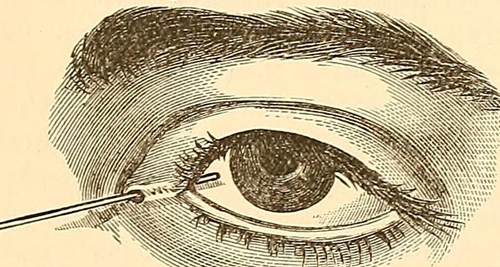
Illustration of an eye being examined for blepharitis using a fine instrument at the eyelid margin.

Classic medical illustration showing eyelid margin inspection—essential for identifying blepharitis causes like gland dysfunction or infection.

Causes and Risk Factors of Blepharitis

Blepharitis results from a combination of bacterial overgrowth, oil gland dysfunction, and inflammatory skin conditions affecting the eyelid margins. It’s not caused by poor hygiene, but hygiene plays a critical role in managing the condition. Learn more about the causes and risk factors of blepharitis below.

Common causes of blepharitis:

  1. Bacterial infection
    • Staphylococcus bacteria naturally live on the skin but can overgrow at the base of the eyelashes, leading to inflammation and crusting.
    • This is common in anterior blepharitis.
  2. Seborrhoeic dermatitis
    • A skin condition causing greasy, flaky skin and dandruff.
    • Often affects the scalp, eyebrows, and eyelids.
  3. Meibomian gland dysfunction (MGD)
    • The oil glands inside the eyelids (meibomian glands) become blocked or secrete abnormal oil.
    • Leads to posterior blepharitis and contributes to dry eyes.
  4. Rosacea
    • A chronic skin condition that causes redness and inflammation, often around the cheeks and nose.
    • Ocular rosacea can affect the eyelids and meibomian glands.
  5. Allergies
    • Eyelid inflammation may be triggered by allergies to pollen, dust, makeup, or eye drops.
    • Can coexist with other causes and make blepharitis harder to treat.
  6. Contact lens wear
    • Poor lens hygiene or overwear may increase risk of blepharitis and eye irritation.
  7. Demodex mites
    • Microscopic mites that live in hair follicles, including eyelashes.
    • Overgrowth can cause inflammation, particularly in older adults.
  8. Environmental factors
    • Dusty, dry, or polluted environments may worsen symptoms.
  9. Hormonal changes
    • Hormones can influence the activity of oil glands, especially during puberty, menopause, or in people with acne-prone skin.

In South Africa, sun exposure, air pollution, and limited access to dermatological care can contribute to worsening skin and eye conditions. People with coexisting conditions like diabetes or eczema may also be more prone to persistent blepharitis.

Causes and Risk Factors of Blepharitis

Understanding the underlying cause is essential for targeted treatment and long-term control.

👉 [Next: Diagnosis and Tests for Blepharitis]



Dr Claire Mitchell General Surgeon Morningside
Blepharitis
Treatment Options for Blepharitis
Living with Blepharitis

Related Posts

Treatment for Antisocial Personality Disorder
Antisocial Personality Disorder

Treatment for Antisocial Personality Disorder

June 6, 2025

Treatment for Antisocial Personality Disorder Treatment for antisocial personality disorder is challenging...

Man in formal attire using a white cane for navigation, symbolising blindness or vision loss.
Blindness and Vision Loss

Blindness and Vision Loss

June 10, 2025

Blindness and Vision Loss – Overview Blindness and vision loss refer to...

Mental Matters

Facebook Instagram

Your Weekly Dose of Mental Health Support
– Straight to Your Inbox

  • Your journey to better mental health starts here—with expert insights and helpful resources delivered weekly.


© 2025 Mental Matters. All rights reserved. The content on this website is intended for informational purposes only and does not constitute medical advice, diagnosis, or treatment. Please consult a qualified health professional for any medical concerns.

Quick Links

  • Directory

  • Advertise

  • Conditions

  • Real Talk

  • Eating Disorders

  • Depressed

  • Autism

  • Community

  • Resources

About

  • Get In Touch

  • Home

  • Privacy Policy

  • Suicide Prevention Support

  • Terms & Conditions

© 2025 Mental Matters. All rights reserved.

No Result
View All Result
  • Health & Wellness
  • Mental Health
  • Live Better
  • Directory
  • Articles & Guides
  • Advertise
  • Blog
  • Fields

© MENTAL MATTERS 2024