
Causes and Types of Aphasia
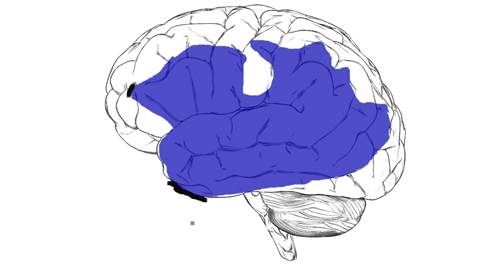
Aphasia occurs when areas of the brain that control language processing — typically in the left hemisphere — are damaged. The severity and type of aphasia depend on which part of the brain is injured and how much damage occurred. Learn more over the causes and types of aphasia below.
Main Causes
- Stroke – The most common cause
- A clot or bleed reduces blood flow to the brain, damaging language centres.
- A clot or bleed reduces blood flow to the brain, damaging language centres.
- Head Injury – Trauma from accidents or falls can disrupt language functions.
- Brain Tumour – Tumours can press on or infiltrate areas that control speech and comprehension.
- Neurodegenerative Conditions – Such as primary progressive aphasia, a rare type of dementia.
- Brain Infection or Inflammation – Meningitis, encephalitis, or autoimmune disease may affect brain tissue.
Types of Aphasia
- Broca’s Aphasia (Non-fluent)
- Difficulty speaking, but understanding remains mostly intact
- Short, effortful sentences
- Wernicke’s Aphasia (Fluent)
- Speech is fluid but often nonsensical or filled with invented words
- Poor understanding of language
- Global Aphasia
- Severe damage to multiple language areas
- Major impairments in speaking, understanding, reading, and writing
- Anomic Aphasia
- Trouble finding specific words, especially names of objects
- Speech is grammatically correct but vague
- Primary Progressive Aphasia
- A rare, gradually worsening form related to dementia
Understanding the specific type of aphasia is important in creating a targeted treatment plan.
👉 [Next: Diagnosis of Aphasia]
Understanding the Different Types of Psychologists in South Africa