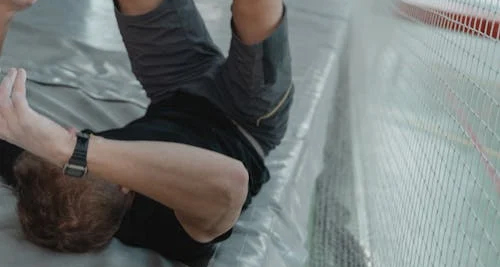

Causes of a Broken Arm
Causes of a Broken Arm generally involve direct trauma or forceful impact that places excessive stress on the bone. The most common causes of a broken arm include falls, motor vehicle accidents, sports injuries, and physical blows. These incidents apply enough pressure to fracture the bone and can affect people of all ages depending on activity, health, and bone condition.
Falls are the leading cause, particularly in children and older adults. A fall from standing height onto an outstretched hand often results in fractures of the forearm or wrist. In playgrounds, stairs, and bathrooms — all high-risk areas — poor footing or slippery surfaces often lead to these types of injuries. Elderly individuals with osteoporosis are especially vulnerable, as their bones are more brittle and prone to breaking even with minimal trauma.
Motor vehicle accidents are another major source of arm fractures. High-speed collisions involving pedestrians, cyclists, or passengers frequently cause complex breaks. These may involve multiple bones or joint surfaces and can be accompanied by injuries to muscles, ligaments, or nerves, requiring urgent orthopaedic intervention.
Sports injuries are common among school-aged children, teenagers, and athletes. High-impact and contact sports like rugby, football, hockey, and even skateboarding often lead to falls and hard landings that result in broken arms. Inadequate protective gear and poor technique raise the risk significantly.
Direct trauma from heavy objects or violent incidents can also lead to fractures. Work-related accidents in sectors such as construction or agriculture are typical sources of such injuries, especially when machinery or heavy equipment is involved.
Causes of a Broken Arm
Bone health also plays a role. People with underlying conditions such as osteoporosis, bone tumours, or metabolic disorders may suffer fractures from mild force. Repetitive stress from manual labour or intense athletic training can cause stress fractures that develop into full breaks if left untreated.
Understanding the causes of a broken arm helps determine the appropriate treatment plan and reduces the risk of reinjury. Taking steps to prevent falls, using proper safety equipment, and maintaining strong bone health can go a long way in lowering fracture risk.
[Next: Symptoms of a Broken Arm →]