
Causes of a Broken Collarbone
Causes of a Broken Collarbone usually involve a fall or impact strong enough to transmit force through the shoulder. The most common causes of a broken collarbone include falling onto an outstretched hand or shoulder, direct trauma during sports, and motor vehicle accidents. These mechanisms often affect active individuals, but they can happen to anyone, especially the elderly or children.
Falling is the leading cause, particularly in children and young adults. A trip, slip, or tumble where the shoulder takes the brunt of the fall puts significant pressure on the collarbone. This is especially common during playground accidents, hiking, cycling, or even during everyday walking incidents on uneven surfaces.
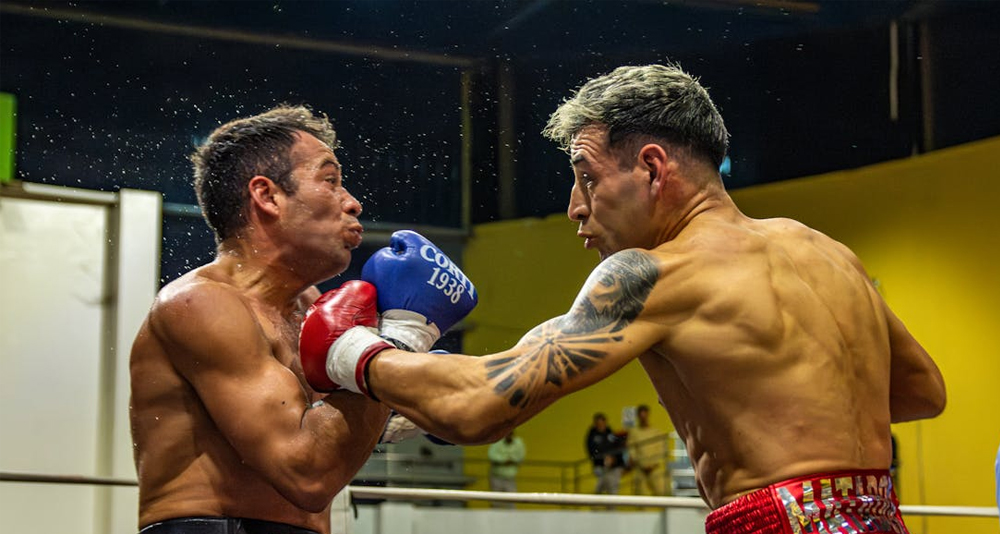
Contact sports like rugby, football, and hockey are also frequent contributors. Athletes who fall hard or collide with other players may land on their shoulder or be hit directly on the clavicle, causing it to snap or crack under the pressure. Combat sports and martial arts carry similar risks, particularly in falls or takedowns.
Road accidents are another key factor. Motorbike riders, cyclists, and even car passengers can experience shoulder trauma during a collision, often resulting in a fractured clavicle. In some cases, seatbelt pressure during a crash can contribute to or worsen the injury.
Causes of a Broken Collarbone
Newborns may suffer a broken collarbone during birth, especially if the delivery is complicated or requires assisted extraction. Though usually mild, these injuries still require monitoring and proper care.
Bone health also matters. Individuals with weakened bones due to osteoporosis or underlying medical conditions may suffer fractures from low-impact events that wouldn’t harm a healthy person.
Repetitive strain injuries, though less common, can contribute to stress fractures in the clavicle, especially in athletes or labourers who repeatedly lift heavy objects.
Understanding the causes of a broken collarbone helps reduce the risk of future injury. Wearing protective gear, improving posture and balance, and building upper-body strength can all contribute to injury prevention, especially in high-risk sports or workplaces.
[Next: Symptoms of a Broken Collarbone →]