Mental Matters

Mental Matters

  • Health & Wellness
  • Mental Health
  • Live Better
  • Directory
  • Articles & Guides
  • Advertise
  • Blog
  • Fields
  • Health & Wellness
  • Mental Health
  • Live Better
  • Directory
  • Articles & Guides
  • Advertise
  • Blog
  • Fields
  • Health & Wellness
  • Mental Health
  • Live Better
  • Directory
  • Articles & Guides
  • Advertise
  • Blog
  • Fields
  • Health & Wellness
  • Mental Health
  • Live Better
  • Directory
  • Articles & Guides
  • Advertise
  • Blog
  • Fields

Causes of a Broken Pelvis

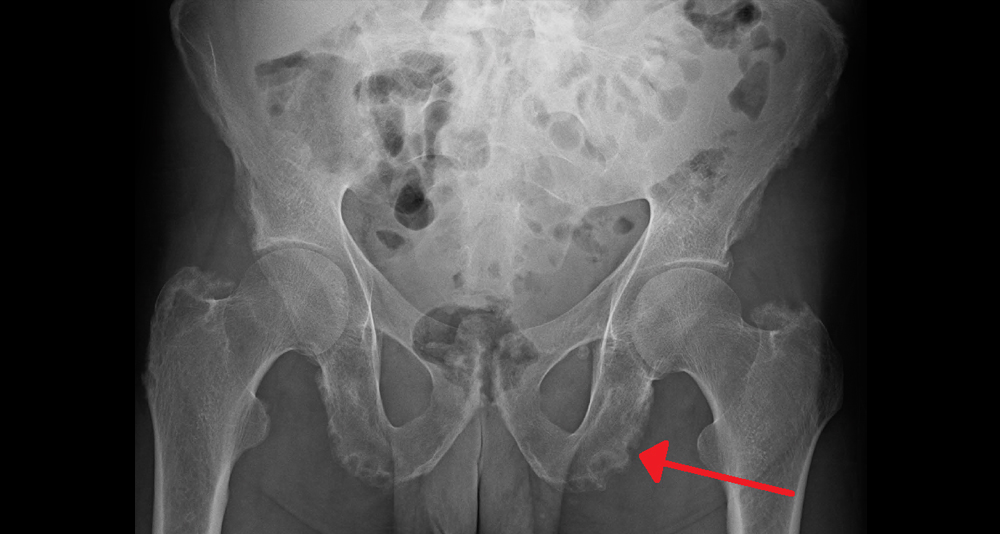
X-ray of pelvis with red arrow indicating fracture area

Pelvic fractures commonly result from high-impact trauma such as car accidents, falls, or sports injuries.

Causes of a Broken Pelvis

Causes of a Broken Pelvis typically involve high-impact trauma or weakened bone structure. The most common causes of a broken pelvis include road accidents, falls from height, sports injuries, osteoporosis, and crushing incidents. Identifying the cause is crucial for both emergency treatment and future prevention.

Motor vehicle collisions are the leading cause of pelvic fractures. In severe crashes, the force transmitted through the dashboard, seatbelt, or impact with external objects can compress the pelvis and cause multiple breaks. Cyclists and motorcyclists are particularly vulnerable due to limited protection.

Falls from height — such as ladders, scaffolding, or stairs — are another major contributor. When a person lands on their feet or buttocks from a height, the energy travels through the legs and into the pelvis, potentially causing compression fractures.

Older adults with osteoporosis are at high risk of pelvic fractures from even minor falls. This is because reduced bone density makes the pelvis more fragile and susceptible to breaks from low-energy impacts, such as tripping over a rug or slipping on wet tiles.

Causes of a Broken Pelvis

Industrial or workplace accidents can result in crushing injuries to the pelvis, particularly in environments involving heavy machinery, forklifts, or structural collapses. These incidents are often medical emergencies and may involve bleeding or organ damage.

Contact sports and extreme sports can also cause pelvic injuries, particularly in scenarios involving high-speed collisions, falls, or repetitive impact to the hips and lower spine. Horse riding, rugby, and gymnastics carry notable risk.

Less commonly, pathological conditions such as cancer that has spread to the bones can weaken the pelvic ring, making it prone to fractures during normal activity.

Understanding the causes of a broken pelvis helps guide not only treatment, but also important prevention strategies — including safety training, fall-prevention for the elderly, bone health screening, and use of protective gear during high-risk activities.

[Next: Symptoms of a Broken Pelvis →]
Complications and Recovery from a Broken Pelvis
Broken Pelvis
Treatment of a Broken Pelvis
Diagnosis of a Broken Pelvis

Related Posts

Woman in a nightgown sitting thoughtfully on a bed in a softly lit bedroom, suggesting discomfort or concern.
Bacterial Vaginosis

Bacterial Vaginosis Complications

June 9, 2025

Bacterial Vaginosis Complications - When to See a Doctor While Bacterial Vaginosis...

Man holding his injured finger in pain while wearing a blue shirt
Broken Finger

Complications and Recovery from a Broken Finger

June 10, 2025

Complications and Recovery from a Broken Finger Complications and Recovery from a...

Mental Matters

Facebook Instagram

Your Weekly Dose of Mental Health Support
– Straight to Your Inbox

  • Your journey to better mental health starts here—with expert insights and helpful resources delivered weekly.


© 2025 Mental Matters. All rights reserved. The content on this website is intended for informational purposes only and does not constitute medical advice, diagnosis, or treatment. Please consult a qualified health professional for any medical concerns.

Quick Links

  • Directory

  • Advertise

  • Conditions

  • Real Talk

  • Eating Disorders

  • Depressed

  • Autism

  • Community

  • Resources

About

  • Get In Touch

  • Home

  • Privacy Policy

  • Suicide Prevention Support

  • Terms & Conditions

© 2025 Mental Matters. All rights reserved.

No Result
View All Result
  • Health & Wellness
  • Mental Health
  • Live Better
  • Directory
  • Articles & Guides
  • Advertise
  • Blog
  • Fields

© MENTAL MATTERS 2024