
Causes of Cyclothymia
Causes of cyclothymia are not entirely understood. However, research points to a complex interaction between genetic, biological, psychological, and environmental factors. Like other mood disorder. Likewise, cyclothymia tends to run in families and may be linked to irregularities in brain chemistry and structure. Understanding these risk factors helps inform treatment strategies and supports early intervention for those at risk.
Genetic Influences
A strong hereditary component is often present in cases of cyclothymia:
Individuals with a family history of bipolar disorder, depression, or other mood conditions are more likely to develop cyclothymia
Twin studies suggest a moderate genetic link, although researchers have not identified a single “cyclothymia gene.”
Genes related to serotonin and dopamine regulation may contribute to abnormal mood regulation and emotional reactivity
Brain Chemistry and Function
Neurochemical imbalances are believed to play a significant role:
Fluctuations in neurotransmitters such as serotonin, dopamine, and norepinephrine can disrupt mood stability
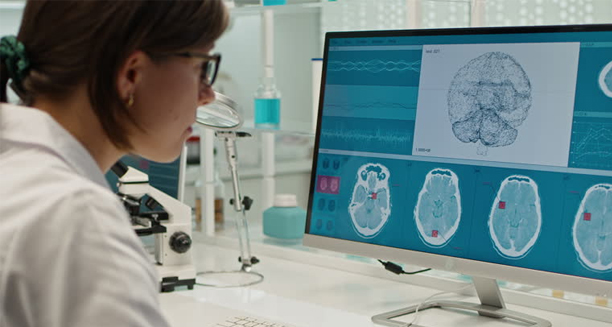
Functional MRI scans in mood disorder patients show altered activity in brain regions associated with emotional regulation, such as the amygdala and prefrontal cortex
These chemical imbalances may affect an individual’s ability to maintain emotional equilibrium in response to everyday stressors
Hormonal and Developmental Factors
Hormonal changes can contribute to the onset of cyclothymia, especially during:
Puberty
Pregnancy
Menstrual cycles
Perimenopause
These transitions may destabilise mood regulation, particularly in individuals who are genetically or neurologically predisposed.
Environmental Stressors | Causes of Cyclothymia
External events can trigger the onset or worsening of symptoms:
Childhood trauma, neglect, or abuse increases vulnerability
Chronic stress in adulthood, such as from work, financial strain, or toxic relationships, can lead to dysregulation of mood over time
Sudden life changes, such as divorce or job loss, may activate dormant symptoms
Substance Use
Recreational drug use and alcohol consumption can intensify mood swings and mask underlying cyclothymic symptoms:
Stimulants may mimic hypomania, while depressants exacerbate low mood
Substance abuse often leads to misdiagnosis or delayed treatment
In summary, causes of cyclothymia are multifactorial, involving genetic susceptibility, neurochemical imbalances, and environmental triggers. A comprehensive understanding of these elements is key to recognising early signs and beginning targeted, effective treatment.
[Next: Symptoms of Cyclothymia →]