
Causes of Cystic Fibrosis
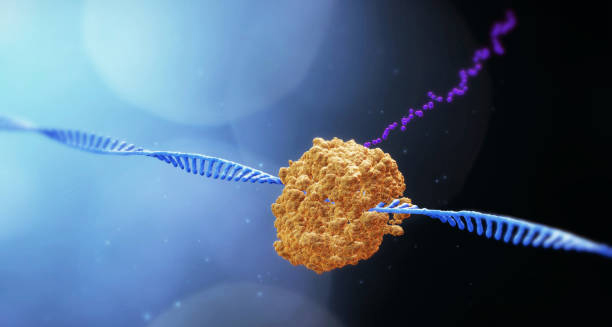
Causes of cystic fibrosis lie in genetic mutations that affect the CFTR (cystic fibrosis transmembrane conductance regulator) gene. This gene is responsible for producing a protein that regulates the movement of salt and water in and out of cells. When this gene malfunctions, it leads to the development of cystic fibrosis, a condition where thick, sticky mucus builds up in various organs.
Genetic Mutation
Every person inherits two copies of the CFTR gene—one from each parent.
Cystic fibrosis develops only when a person inherits two faulty CFTR genes.
Individuals with only one mutated gene are carriers and typically do not have symptoms.
There are over 2,000 known mutations of the CFTR gene. The most common mutation is ΔF508, which is found in approximately 70% of cases worldwide. Some mutations cause more severe symptoms than others.
How the Mutation Affects the Body
The defective CFTR protein cannot transport chloride ions properly:
This disrupts the balance of salt and water on cell surfaces.
Mucus becomes dehydrated and sticky, leading to blockages in organs like the lungs and pancreas.
The result is chronic lung infections, digestive issues, and reduced nutrient absorption.
Inheritance Pattern
Cystic fibrosis follows an autosomal recessive inheritance:
If both parents are carriers, there is a 25% chance their child will have the condition.
There’s a 50% chance the child will be a carrier.
The remaining 25% represents a chance the child will inherit two normal CFTR genes.
Risk Factors | Causes of Cystic Fibrosis
Family history is the primary risk factor.
Cystic fibrosis is most commonly found in people of Northern European descent, although it occurs in all ethnicities.
Genetic screening before or during pregnancy can identify carrier status and provide reproductive guidance.
Ongoing Research
Scientists are continuously studying:
The specific effects of rare mutations
Gene therapy as a potential cure
The impact of environmental factors on gene expression
In conclusion, causes of cystic fibrosis are rooted in inherited mutations of the CFTR gene. Understanding these genetic foundations is essential for diagnosis, treatment planning, and developing future therapies.
[Next: Symptoms of Cystic Fibrosis →]