
Causes of Dengue
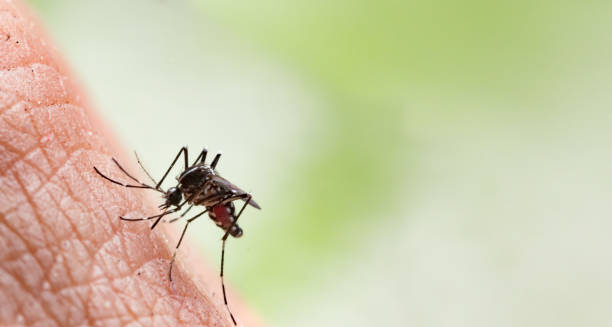
Causes of dengue are closely linked to the transmission of the virus by infected mosquitoes, particularly the Aedes aegypti species. The dengue virus belongs to the flavivirus family and includes four distinct serotypes: DENV-1, DENV-2, DENV-3, and DENV-4. All four can cause the full spectrum of illness, from mild to severe, and infection with one serotype does not confer immunity to the others.
Transmission by Mosquitoes
The Aedes aegypti mosquito is the primary vector responsible for spreading dengue
It typically bites during the day, especially early morning and late afternoon
The mosquito becomes infected when it bites a person already carrying the virus
After an incubation period of 8–12 days, the mosquito can transmit the virus to other humans through bites
Human-to-Mosquito-to-Human Cycle
Dengue is not transmitted directly from person to person
The virus relies on mosquitoes to complete its transmission cycle
In rare instances, transmission may occur through blood transfusions, organ transplants, or from mother to baby during pregnancy
Environmental Factors
Standing water in containers, tyres, and gutters provides ideal breeding grounds for mosquitoes
Urbanisation, poor sanitation, and climate change have expanded the geographical reach of Aedes mosquitoes
Increased rainfall, humidity, and temperature all favour mosquito population growth
Risk Factors | Causes of Dengue
Living in or travelling to dengue-endemic regions
Having a previous infection increases the risk of severe dengue upon subsequent exposure to a different serotype
Lack of protective measures, such as mosquito nets, repellents, and covered clothing
Public Health Concerns
In densely populated urban areas, even a small number of infected mosquitoes can cause widespread outbreaks
Migratory patterns and global travel further contribute to the spread of the disease
In conclusion, causes of dengue originate from mosquito-borne transmission, environmental conditions, and urban development. Preventing the disease requires addressing the mosquito’s breeding grounds and breaking the cycle of transmission through coordinated community and health sector efforts.