
Causes of Diabetes in Pregnancy
Causes of diabetes in pregnancy vary depending on whether the condition was pre-existing or developed during pregnancy. However, the primary driver behind diabetes in pregnancy—particularly gestational diabetes—is the hormonal changes that occur as pregnancy progresses. These hormonal shifts affect how the body produces and uses insulin, the hormone responsible for regulating blood glucose levels.
Hormonal Changes and Insulin Resistance
During pregnancy, the placenta produces hormones such as:
Human placental lactogen
Cortisol
Oestrogen
Progesterone
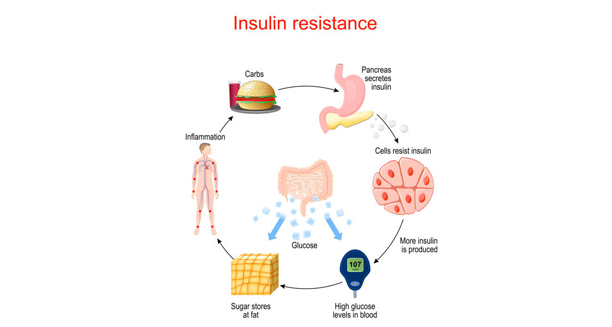
These hormones interfere with the body’s ability to use insulin effectively, causing insulin resistance. As a result, the pancreas must work harder to produce sufficient insulin. In some women, the pancreas cannot keep up, leading to elevated blood glucose levels.
Risk Factors for Gestational Diabetes
Several factors increase the likelihood of developing gestational diabetes:
Obesity or high body mass index (BMI) before pregnancy
Family history of Type 2 diabetes
Age over 25, particularly over 35
Previous pregnancy with gestational diabetes
Polycystic ovary syndrome (PCOS)
Previous delivery of a large baby (over 4.5 kg)
Ethnic background, with higher rates among South Asian, African, and Middle Eastern populations
Type 1 and Type 2 Diabetes in Pregnancy
For women with pre-existing Type 1 or Type 2 diabetes, the underlying cause remains:
Type 1 diabetes results from an autoimmune reaction that destroys insulin-producing cells.
Type 2 diabetes is driven by long-term insulin resistance and impaired insulin production.
Pregnancy can exacerbate these forms of diabetes, increasing the risk of complications if not tightly controlled.
Genetic and Lifestyle Influences
A sedentary lifestyle and poor diet can contribute to the development of insulin resistance during pregnancy.
Genetics play a significant role, especially in women with a strong family history of metabolic disorders.
Temporary but Significant Causes of Diabetes in Pregnancy
Although gestational diabetes usually disappears after delivery, it indicates a higher lifetime risk of Type 2 diabetes. This highlights the need for postpartum monitoring and long-term lifestyle adjustments.
In conclusion, causes of diabetes in pregnancy are multifactorial and often influenced by hormonal, genetic, and lifestyle elements. Recognising these factors enables early screening and proactive management, reducing risks for both mother and baby.
[Next: Symptoms of Diabetes in Pregnancy →]