
Causes of Diphtheria
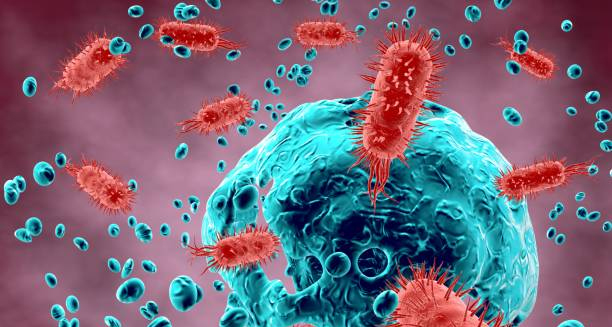
The causes of diphtheria stem from infection by the bacterium Corynebacterium diphtheriae. This microbe releases toxins that damage tissues and disrupt normal bodily functions. The primary cause is airborne transmission—when an infected person coughs or sneezes, they release droplets that can easily infect others, particularly in crowded or unsanitary conditions.
Direct contact with infected wounds or items such as shared utensils and towels can also spread the bacteria. These non-respiratory cases are usually linked to cutaneous diphtheria, which causes painful skin sores. Although less severe, this form remains contagious.
Unvaccinated individuals are at the highest risk. In particular, young children, the elderly, and those with weakened immune systems are vulnerable. Globally, causes of outbreaks often involve lapses in public health systems, vaccine misinformation, or displacement from war and poverty.
In South Africa, outbreaks have occurred in communities where immunisation services are inconsistent. While the diphtheria vaccine is part of South Africa’s public immunisation programme, barriers such as long distances to clinics, stock issues, or vaccine hesitancy sometimes prevent full coverage. This leaves some children and adults unprotected, increasing the likelihood of localised outbreaks.
Causes of Diphtheria
The most severe causes of diphtheria complications are linked to the bacterium’s toxin. Once in the bloodstream, the toxin can travel to the heart, nervous system, and kidneys. These systemic effects explain why diphtheria can be deadly if not treated immediately.
Understanding the causes of diphtheria is key to preventing its spread. Public health education, consistent immunisation, and infection control measures remain the most effective tools to address both transmission and complications.
[Next: Symptoms of Diphtheria →]