
Causes of Discoid Eczema
The causes of discoid eczema are not fully understood, but several risk factors and triggers are known to contribute to its development. The condition appears to result from an interaction between genetic predisposition, environmental exposure, and skin barrier dysfunction. When the skin becomes dry or damaged, it is more vulnerable to irritation and inflammation, leading to the characteristic round patches of discoid eczema.
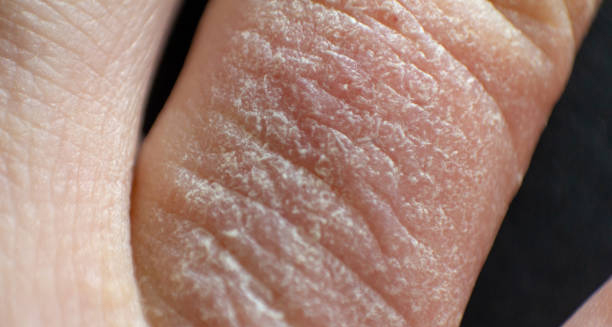
One of the primary causes of discoid eczema is excessively dry skin. When skin loses moisture, small cracks can form, allowing irritants or allergens to penetrate the outer layer. These substances can trigger an immune response, leading to inflammation, redness, and itching. Harsh soaps, alcohol-based sanitizers, and frequent washing with hot water can exacerbate this process.
Skin trauma also plays a role. Even minor injuries like insect bites, scratches, or burns can spark a flare-up in people predisposed to discoid eczema. This response is called the Koebner phenomenon, where trauma leads to lesions forming at the site of injury.
Other contributing causes of discoid eczema include emotional stress, hormonal changes, and climate. Stress is a well-known factor in many inflammatory conditions, and discoid eczema is no exception. Individuals under pressure—whether emotional or physical—often experience more frequent and intense flare-ups. In South Africa, extreme weather changes between hot dry seasons and damp winters can make managing skin hydration more difficult, especially in rural or informal communities with limited access to skincare products.
Allergic contact dermatitis is another trigger. Exposure to allergens like nickel, fragrances, preservatives, or certain topical antibiotics can lead to or worsen discoid eczema. Identifying and avoiding these allergens is a key part of long-term management.
Causes of Discoid Eczema
Genetics also play a part. People with a family history of eczema, asthma, or hay fever are more likely to develop discoid eczema. This suggests a link between allergic tendencies and skin barrier weakness.
Finally, infection can turn mild eczema into a more serious case. Scratching the itchy patches can break the skin, creating an entry point for bacteria like Staphylococcus aureus. Once infection sets in, symptoms become more severe and may include weeping sores, yellow crusts, and increased pain.
Understanding the causes of discoid eczema can empower individuals to take proactive steps in prevention. By keeping skin moisturised, reducing exposure to irritants, and managing stress, many flare-ups can be avoided or significantly reduced.
[Next: Symptoms of Discoid Eczema →]