Causes of Dwarfism
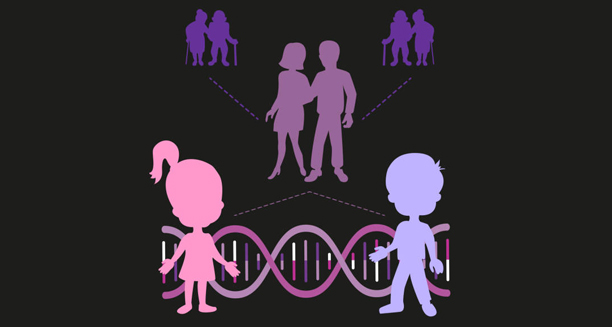
The causes of dwarfism vary widely and can be genetic, hormonal, or related to unknown developmental factors. Most cases result from genetic mutations that affect bone or cartilage development. Achondroplasia is the most common cause of dwarfism, accounting for approximately 70% of all cases.
A mutation in the FGFR3 gene causes achondroplasia, restricting bone growth, especially in the arms and legs. It is an autosomal dominant condition, meaning that just one copy of the altered gene can cause the disorder. Interestingly, most children with achondroplasia are born to average-height parents, with the gene mutation occurring spontaneously.
Another genetic cause is diastrophic dysplasia, a rarer condition that affects cartilage and bone development, leading to clubfoot, limited joint mobility, and scoliosis. Spondyloepiphyseal dysplasia congenita (SEDc) is another rare skeletal disorder linked to dwarfism that affects the spine and long bones. Each of these conditions results in disproportionate body proportions and may require specific medical management.
Not all causes of dwarfism are skeletal. Some individuals have proportionate short stature, where the body is small but well-proportioned. This can result from hormonal conditions like growth hormone deficiency or pituitary gland disorders. In these cases, the bones grow slowly but evenly. Treatment with growth hormone therapy can help in some instances, particularly if started early.
Intrauterine Growth Restriction
In rare cases, intrauterine growth restriction (IUGR), metabolic disorders, or malnutrition during early development can cause dwarfism. While these are less common, they highlight the importance of maternal and early childhood health, especially in countries with limited access to nutrition and healthcare.
In South Africa, limited access to prenatal care and diagnostic services in rural areas can delay the identification of the underlying cause. Early diagnosis is important for managing symptoms and planning supportive care. Genetic testing and consultation with a specialist are often needed to confirm the cause and provide accurate information for families.
Causes of Dwarfism
It’s important to understand that the causes of dwarfism are not related to lifestyle choices, parenting, or anything that could have been prevented. Most conditions occur spontaneously or are inherited genetically. Blame or stigma associated with short stature is harmful and unsupported by science.
Knowing the underlying cause helps healthcare professionals manage potential complications and offer guidance tailored to the individual’s needs. While a diagnosis may present challenges, many people with dwarfism live full, independent lives, especially when supported by informed medical care and inclusive communities.
[Next: Symptoms of Dwarfism →]