
Causes of Dysentery
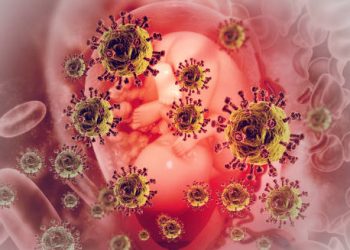
The causes of dysentery depend on the type of organism responsible for the infection. Poor hygiene, unsafe water, and contaminated food cause most cases. Once a person ingests these infectious agents. They travel to the intestines and begin to damage the lining of the gut, causing bleeding, inflammation, and frequent bowel movements.
The most common cause of dysentery is Shigella bacteria, which causes bacillary dysentery. The disease spreads easily in areas where people don’t practice handwashing and live in close quarters. Even a small number of bacteria can trigger an infection. Children are particularly susceptible due to their developing immune systems and increased likelihood of coming into contact with germs.
Another major cause is the Entamoeba histolytica parasite, which causes amoebic dysentery. Contaminated water or food often carries this parasite, which is more common in tropical and subtropical regions. It can live in the intestines without causing symptoms. However, in some people, it invades the gut wall and leads to bloody diarrhoea and other serious complications, such as liver abscesses.
Other Causes
Other causes of dysentery include poor sanitation infrastructure, especially in developing nations. When faecal matter contaminates water sources or is used as fertiliser without proper treatment, the risk of spreading dysentery increases. Open defecation, lack of access to soap, and unclean food preparation areas also contribute significantly.
Travellers to high-risk areas may develop dysentery if they consume unbottled water. Raw produce, or street food prepared in unhygienic conditions. For this reason, it is often advised to drink only boiled or bottled water. Avoid ice cubes, and eat food that is fully cooked and served hot.
In South Africa, waterborne outbreaks of dysentery can occur in underdeveloped or drought-affected regions. These outbreaks are more common after heavy rains, flooding, or service delivery interruptions that affect sanitation and water purification.
Causes of Dysentery
Some antibiotics or other medications that disrupt gut bacteria may indirectly increase the risk of infection by allowing harmful organisms to grow. People with compromised immune systems, including those with HIV/AIDS, cancer, or malnutrition, are also more likely to contract severe forms of dysentery.
Understanding the causes of dysentery is essential for both prevention and treatment. Measures such as safe drinking water, handwashing with soap, proper food storage, and sanitation systems are proven to reduce transmission and protect communities from widespread outbreaks.
[Next: Symptoms of Dysentery →]