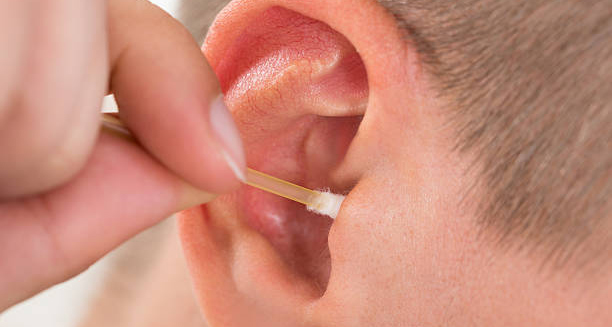
Causes of Earwax Build-up
The causes of earwax build-up often involve interference with the ear’s natural cleaning mechanism. In a healthy ear, wax gradually moves from the inner canal to the outer ear, where it dries and falls out. When this process is disrupted, earwax build-up can occur, leading to discomfort and hearing problems.
One of the most common causes is the use of cotton buds. Instead of removing wax, they usually push it further down the canal. This compresses the wax, making it harder and more likely to become impacted. Unfortunately, this habit is widespread in both developed and developing countries, despite health professionals warning against it.
People who use hearing aids, in-ear headphones, or earplugs frequently are also at higher risk. These devices can block the natural movement of wax and cause it to accumulate. The same applies to people who wear protective headgear that covers the ears for long periods.
Certain anatomical features can contribute as well. People with narrow or unusually shaped ear canals may struggle to expel wax naturally. Excess hair in the ear canal or skin conditions such as eczema can also trap wax and cause blockages.
Some individuals simply produce more wax than others. This can be influenced by genetics, age, and diet. As we get older, earwax tends to become drier and less mobile, increasing the risk of impaction.
Infections, skin disorders, or inflammation can also trigger excessive wax production. The body may try to protect the ear canal from further irritation, resulting in more wax being created than usual. In these cases, managing the underlying cause is essential to prevent recurrence.
Causes of Earwax Build-up
In South Africa, dusty environments and poor access to clean water in some communities may increase the body’s production of wax as a protective response. People working in mines, farms, or construction sites may be especially prone to earwax build-up due to constant exposure to dirt and particles.
Cultural practices also play a role. Some traditional methods of ear cleaning involve using herbal oils or homemade tools, which can worsen the situation. While well-intentioned, these approaches often push wax deeper or introduce bacteria into the ear.
Understanding the causes of earwax build-up helps people make safer choices. Avoiding unnecessary insertion of objects, managing skin conditions, and using ear protection wisely can all reduce the risk of developing blocked ears.
[Next: Symptoms of Earwax Build-up →]