
Causes of Ebola Virus Disease
The causes of Ebola virus disease begin with the Ebola virus itself—a member of the filovirus family. There are several known species of the virus, but the Zaire strain is the most lethal and responsible for the majority of recorded outbreaks. Ebola virus disease is zoonotic, meaning it originates in animals and can be transmitted to humans.
Fruit bats are considered the natural hosts of the Ebola virus. These bats can carry the virus without becoming ill themselves. The disease is thought to enter human populations when people come into contact with infected animals—usually through hunting, butchering, or eating bushmeat from bats, monkeys, or other wildlife.
Once the virus infects a human, it spreads quickly through direct contact with bodily fluids from an infected person. This includes blood, vomit, faeces, saliva, urine, breast milk, and semen. The virus enters the body through broken skin, mucous membranes, or contaminated medical instruments like syringes or needles.
The risk of transmission is highest in healthcare settings without proper protective equipment. Caregivers, family members, and funeral workers are also at high risk if they come into contact with the body of someone who died of Ebola. Traditional burial practices involving physical contact with the dead can significantly contribute to the spread of the disease during outbreaks.
Once inside the body, the virus attacks the immune system, damages blood vessels, and can cause internal bleeding. The virus replicates rapidly, overwhelming the body’s defences and triggering a severe inflammatory response. This is what leads to the most dangerous symptoms, including haemorrhaging and organ failure.
Causes of Ebola Virus Disease
The incubation period—the time between exposure and the onset of symptoms—is usually between 2 and 21 days. During this time, the infected person is not contagious. Transmission begins only once symptoms appear, which allows for containment if cases are identified early.
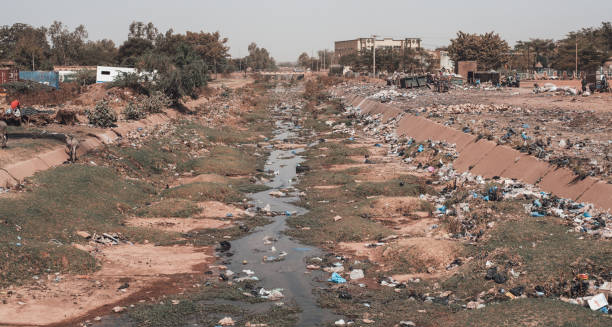
Environmental and social factors also play a role in outbreaks. Poverty, poor healthcare infrastructure, misinformation, and mistrust of authorities can make containment more difficult. In South Africa and other countries, the presence of these factors in neighbouring regions is why preparedness and education are essential, even without current cases.
Understanding the causes of Ebola virus disease helps in breaking the chain of transmission. By reducing human-animal contact, strengthening surveillance, and improving public health responses, the spread of the virus can be controlled and prevented.
[Next: Symptoms of Ebola Virus Disease →]