
Causes of Ehlers-Danlos Syndromes
The causes of Ehlers-Danlos syndromes lie in inherited genetic mutations that affect the structure, production, or processing of collagen. Collagen is essential for strong and elastic connective tissue. In Ehlers-Danlos syndromes, defects in collagen-related genes weaken the body’s connective tissues, leading to joint, skin, and vascular problems.
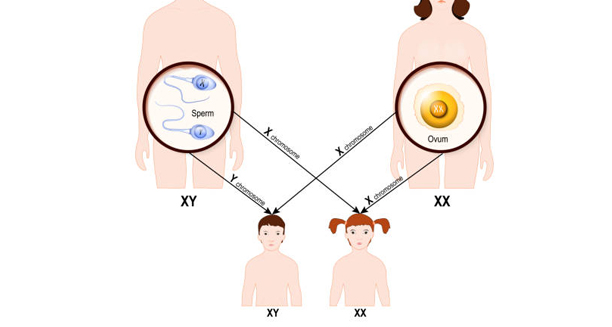
EDS is a genetic condition, meaning it is passed down through families. Depending on the type, it can be inherited in one of two ways:
Autosomal dominant, where a single copy of the faulty gene from one parent is enough to cause the condition
Autosomal recessive, where the child must inherit faulty genes from both parents to be affected
For example:
Classical EDS is usually inherited in a dominant pattern and involves mutations in the COL5A1 or COL5A2 genes.
Vascular EDS is caused by mutations in the COL3A1 gene, affecting the walls of blood vessels.
Kyphoscoliotic EDS is typically recessive and caused by mutations in the PLOD1 gene, affecting enzymes needed for collagen modification.
In hypermobile EDS, the most common type, no specific gene has yet been identified. Diagnosis is based on clinical features, including joint hypermobility, frequent dislocations, and chronic pain. Research continues to uncover the genetic basis of hEDS and how it relates to other connective tissue disorders.
Spontaneous mutations can also cause EDS, even with no family history. In these cases, the gene changes during conception or early development, meaning the affected person is the first in their family to carry the mutation.
In South Africa and other countries with limited access to genetic services, confirming the cause of EDS can be challenging. Genetic testing may be expensive or unavailable, and many cases go undiagnosed or misdiagnosed. Awareness among general practitioners and paediatricians is essential to guide patients toward specialist assessment when symptoms suggest a connective tissue disorder.
Causes of Ehlers-Danlos Syndromes
Environmental factors do not cause EDS, but lifestyle and injury can influence how symptoms appear. For example, frequent dislocations or skin trauma may make EDS more noticeable in people who lead physically active lives or do not know they are affected.
Understanding the causes of Ehlers-Danlos syndromes is essential for diagnosis, family planning, and long-term health management. While genetic testing confirms most types, recognising patterns of inheritance and typical symptoms remains a key part of identifying the condition in clinical settings.
[Next: Symptoms of Ehlers-Danlos Syndromes →]