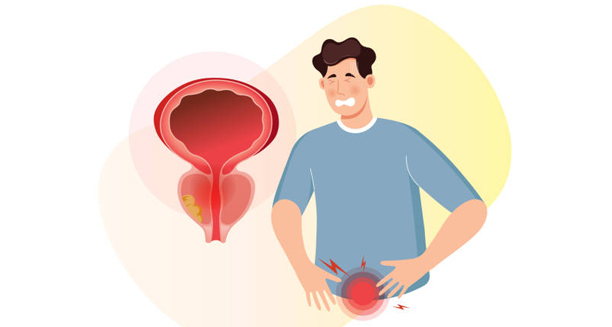

Causes of Enlarged Prostate
The causes of enlarged prostate are not fully understood, but age and hormonal changes are the main contributors. Enlarged prostate is most often linked to benign prostatic hyperplasia (BPH), a non-cancerous increase in the number of prostate cells.
Ageing and Hormonal Changes
As men age, their testosterone levels gradually decrease, while levels of oestrogen (a hormone also found in men in small amounts) may remain the same or increase. This hormonal shift may stimulate prostate growth.
Another key hormone involved is dihydrotestosterone (DHT), a by-product of testosterone. DHT promotes prostate cell growth, and its levels tend to stay high in ageing men, encouraging the prostate to enlarge.
Other Contributing Factors
Family history – Men with relatives who had BPH are more likely to develop the condition.
Lifestyle – Lack of physical activity, poor diet, obesity, and smoking may increase risk.
Chronic conditions – Diabetes, heart disease, and high blood pressure are often linked to prostate enlargement.
Ethnicity – Some studies suggest African men may experience BPH symptoms more severely than men of other backgrounds.
In South Africa, lifestyle-related conditions like obesity and metabolic syndrome are on the rise and may contribute to a higher incidence of BPH. Furthermore, limited awareness and reluctance to discuss urinary symptoms can delay diagnosis and treatment in many communities.
Causes of Enlarged Prostate
It is important to note that BPH is not the same as prostate cancer. However, both conditions can cause similar symptoms, so proper medical evaluation is crucial to rule out malignancy.
Understanding the causes of enlarged prostate helps men reduce risk and seek timely treatment. While ageing is unavoidable, healthy lifestyle choices can slow progression and improve urinary health.
[Next: Symptoms of Enlarged Prostate →]