
Causes of Epiglottitis
The causes of epiglottitis are most often infections, particularly bacterial, but other irritants or injuries can also play a role. Epiglottitis leads to rapid inflammation and swelling of the epiglottis, which can block the upper airway and cause breathing difficulty.
Infectious Causes
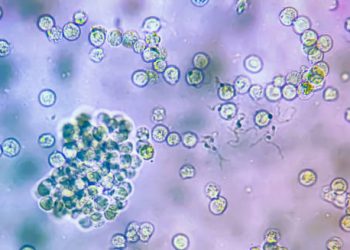
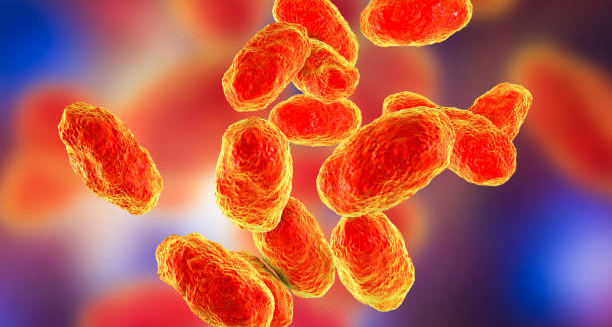
The most common cause is Haemophilus influenzae type b (Hib), especially in children who haven’t been vaccinated. Other bacteria that may cause epiglottitis include:
Streptococcus pneumoniae
Streptococcus pyogenes (group A strep)
Staphylococcus aureus, including MRSA strains
In adults, mixed bacterial infections are more frequently observed. Viral infections, such as varicella-zoster or herpes simplex virus, can also trigger inflammation of the epiglottis, though these are less common.
Non-Infectious Causes
Thermal injury from swallowing very hot food or liquids
Chemical burns, often from caustic substances
Trauma, such as injury from a foreign object or intubation
Allergic reactions, leading to sudden epiglottis swelling, similar to anaphylaxis
Risk Factors
Incomplete vaccination, especially missing the Hib vaccine
Weakened immune system, such as from HIV, cancer, or steroid use
Young children, particularly under five years old
Older adults, especially those with existing throat or respiratory issues
Smoking or alcohol abuse, which may weaken local immune defences
Causes of Epiglottitis In South Africa
In South Africa, limited access to vaccinations in rural or underserved areas may leave children at higher risk of Hib infection. Additionally, HIV-positive individuals—especially those not on antiretroviral therapy—may be more susceptible to severe bacterial infections like epiglottitis.
Improved vaccine coverage, public education, and early medical intervention are key to reducing incidence.
Understanding the causes of epiglottitis allows for prevention, rapid diagnosis, and better treatment outcomes—especially when the condition strikes unexpectedly.
[Next: Symptoms of Epiglottitis →]