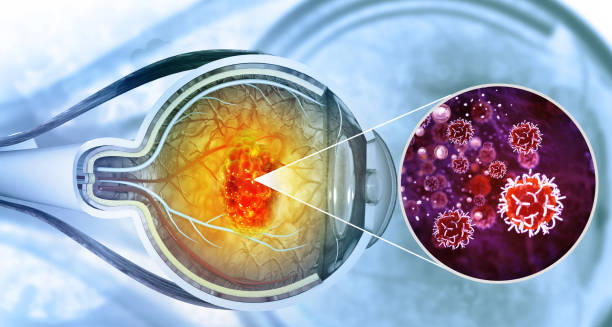

Causes of Eye Cancer
The causes of eye cancer are not always fully understood, but a number of genetic, environmental, and medical risk factors have been identified. Eye cancer arises when abnormal cells grow uncontrollably in or around the eye, often due to mutations in DNA that affect cell division and repair.
Genetic Mutations
Certain forms of eye cancer, such as retinoblastoma, are linked to inherited genetic mutations. In these cases, children inherit a faulty gene (RB1) that predisposes them to tumour growth in the retina. While rare, this form is aggressive and usually diagnosed before the age of five.
In ocular melanoma, mutations in genes such as GNAQ, GNA11, and BAP1 have been associated with increased cancer risk. These mutations can occur spontaneously or be influenced by environmental exposures.
UV Radiation Exposure
Just like skin cancer, ultraviolet (UV) radiation from the sun or tanning beds may contribute to eye cancer, particularly in fair-skinned individuals. Long-term exposure without eye protection may increase the risk of conjunctival melanoma and other surface cancers of the eye.
Wearing sunglasses that block UV-A and UV-B rays is a simple yet effective way to reduce this risk.
Eye Colour and Ethnicity
People with lighter eye colours—such as blue or green—have a slightly higher risk of developing uveal melanoma. This may be due to reduced pigment protection within the eye. Incidence rates also vary by ethnic group, with white populations experiencing higher rates of intraocular cancers than those with darker skin tones.
Pre-existing Conditions
Some conditions may raise the risk of developing eye cancer:
Oculodermal melanocytosis, which causes increased pigmentation in the eye and surrounding skin
AIDS-related immunosuppression, which increases the risk of lymphoma in the eye
Chronic inflammation, such as long-standing uveitis
Environmental and Occupational Exposure
There is ongoing research into the role of chemical exposure, particularly in industries involving welding, petroleum, or heavy metals. While evidence remains inconclusive, some studies suggest a possible link between these exposures and ocular tumour development.
Global Patterns | Causes of Eye Cancer
Eye cancer rates are highest in countries with established cancer registries, but many cases in low-resource settings may go undiagnosed or misclassified. Improved awareness and diagnostic access are helping to close this gap.
Understanding the causes of eye cancer enables earlier identification of high-risk individuals and promotes preventative strategies across global populations.
[Next: Symptoms of Eye Cancer →]