Causes of Gilbert’s Syndrome
The causes of Gilbert’s syndrome are rooted in a genetic mutation. Furthermore, that affects how the body processes bilirubin. Gilbert’s syndrome is not caused by external factors like diet, infection, or alcohol use—rather. It is inherited and present from birth, although symptoms may not appear until adolescence or later.
This inherited condition disrupts the function of an enzyme responsible for converting bilirubin into a form that the body can excrete. While it results in higher levels of unconjugated bilirubin, it does not damage the liver or lead to serious illness.
The Role of Bilirubin
To understand the cause of Gilbert’s syndrome, it helps to first understand bilirubin metabolism.
Bilirubin is formed when:
Red blood cells reach the end of their lifespan (around 120 days)
Haemoglobin breaks down into heme and globin
The body converts heme into unconjugated (indirect) bilirubin, which does not dissolve in water
This unconjugated bilirubin travels through the bloodstream to the liver, where an enzyme called UGT1A1 converts it into a conjugated (direct), water-soluble form. The liver then excretes this bilirubin into bile, which passes it into the intestines for elimination.
In people with Gilbert’s syndrome:
The UGT1A1 enzyme activity is reduced by about 30–70%
Less bilirubin converts into its soluble form
Unconjugated bilirubin accumulates in the bloodstream, especially during periods of stress or metabolic demand
Genetic Mutation in UGT1A1
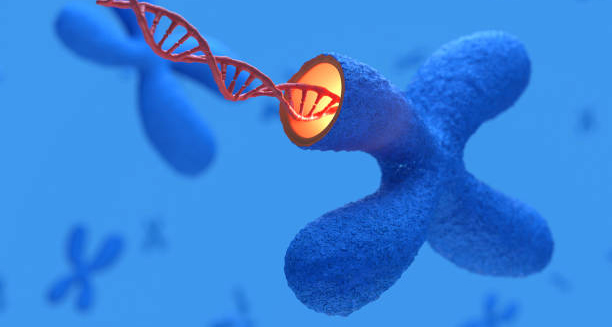
A mutation in the UGT1A1 gene causes the condition by affecting production of the uridine diphosphate-glucuronosyltransferase enzyme.
The most common mutation involves:
The insertion of extra TA repeats in the promoter region of the gene
This change reduces transcription and, therefore, enzyme levels
The inheritance pattern is autosomal recessive, meaning:
A person must inherit two copies of the mutated gene, one from each parent, to develop the condition
Carriers with only one copy typically have normal bilirubin metabolism and no symptoms
Although Gilbert’s syndrome is genetic, it does not always run clearly in families, especially if symptoms are mild and undiagnosed.
Prevalence and Population Variability
Gilbert’s syndrome affects 5–10% of the global population, but prevalence varies by region and ethnicity:
More common in European and Asian populations
Slightly less prevalent in some African and Middle Eastern groups
It affects both men and women, although men are more likely to show visible jaundice, possibly due to higher bilirubin production from red cell breakdown.
Triggers That Reveal the Condition
The genetic mutation is present from birth, but symptoms often appear later in life due to:
Puberty, which increases haemoglobin turnover
Illness, such as infections that cause liver stress
Fasting, which reduces bilirubin clearance
Exertion or surgery, which elevate metabolic demands
These events can unmask the condition in individuals who had previously never noticed symptoms.
Not Caused by Liver Damage
Unlike hepatitis, cirrhosis, or alcoholic liver disease, Gilbert’s syndrome:
Does not cause inflammation or scarring of the liver
Does not impair liver enzymes (ALT, AST)
Is not related to alcohol consumption, fatty liver, or obesity
This distinction is crucial to avoid misdiagnosis or unnecessary liver biopsies.
Impact on Drug Metabolism
Because the UGT1A1 enzyme also helps detoxify certain medications, reduced enzyme activity can affect how the body processes some drugs. Medications affected include:
Irinotecan – an anti-cancer drug that requires careful dosing
Atazanavir – an antiviral used in HIV treatment
Paracetamol – theoretically affected but usually safe in standard doses
Despite these interactions, most people with Gilbert’s syndrome can take common medications safely, especially under medical supervision.
Conclusion | Causes of Gilbert’s Syndrome
The causes of Gilbert’s syndrome lie entirely in a genetic mutation that reduces the body’s ability to process bilirubin. Lifestyle factors, poor diet, alcohol, and infection do not cause it, and it does not lead to liver disease. Understanding the underlying genetic mechanism helps people with the condition avoid unnecessary concern and manage their health confidently.