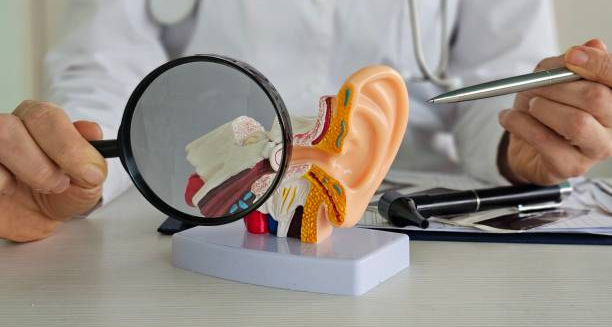

Causes of Glue Ear
The causes of glue ear primarily involve malfunction or blockage of the Eustachian tube, the channel that connects the middle ear to the back of the nose. When this tube does not work properly, air cannot enter the middle ear, and fluid builds up instead. These mechanical and physiological disruptions are at the heart of most cases of glue ear in both children and adults.
While the exact trigger can vary from person to person, several underlying causes contribute to Eustachian tube dysfunction and fluid accumulation. Understanding the causes of glue ear helps guide treatment decisions and prevent recurrent episodes.
1. Eustachian Tube Dysfunction
The Eustachian tube plays a key role in balancing air pressure and draining fluid from the middle ear. In children, the tube is shorter, narrower, and more horizontal, making it more likely to become blocked.
Common reasons for Eustachian tube dysfunction include:
Immaturity of the tube in young children
Swelling due to allergies or infections
Nasal congestion from colds or flu
Adenoid enlargement pressing on or blocking the tube
Cleft palate or structural abnormalities interfering with normal function
When the tube cannot open properly, negative pressure develops in the middle ear, drawing fluid into the space.
2. Respiratory Infections
Frequent upper respiratory tract infections are one of the leading causes of glue ear. These infections inflame the mucous membranes lining the Eustachian tube and middle ear, resulting in:
Increased mucus production
Swelling and narrowing of the drainage passage
Temporary blockage of normal air exchange
Children in nursery or school settings are more exposed to colds, which increases their risk of developing glue ear.
3. Allergies
Allergic rhinitis (hay fever) and other airborne allergies can lead to chronic inflammation of the nasal passages and Eustachian tubes. This can cause:
Persistent fluid build-up in the middle ear
Recurring or long-term episodes of glue ear
Greater susceptibility to coexisting ear infections
In allergic children, symptoms of glue ear may worsen during pollen seasons or when exposed to dust mites, pet dander, or mould.
4. Environmental and Lifestyle Factors
Certain environmental exposures can raise the risk of developing glue ear, including:
Passive smoking – increases inflammation in the airways and middle ear
Bottle feeding in a lying-down position – can allow milk to enter the Eustachian tube
Air pollution – irritates the respiratory tract and contributes to inflammation
Poor ventilation and damp homes – increase exposure to allergens and infections
Lifestyle changes, such as avoiding second-hand smoke and using upright feeding techniques, can help prevent some cases of glue ear.
5. Enlarged Adenoids
Adenoids are lymphatic tissue located behind the nasal cavity. In young children, enlarged adenoids can:
Physically block the Eustachian tubes
Harbour bacteria that increase infection risk
Cause chronic nasal obstruction and snoring
Surgical removal of the adenoids (adenoidectomy) is sometimes recommended for children with recurrent or persistent glue ear.
6. Recurrent Ear Infections
While glue ear itself is not an infection, recurrent ear infections can increase the risk of fluid build-up in the middle ear. Following an infection, the residual inflammation and fluid can persist even after the acute symptoms subside.
Children with frequent ear infections may experience cycles of:
Infection → fluid retention → temporary improvement → re-infection
Breaking this cycle may require antibiotics, grommets, or addressing predisposing factors like allergies or enlarged adenoids.
7. Genetic and Anatomical Factors
Some children inherit structural characteristics that make them more prone to glue ear. These may include:
Narrow Eustachian tubes
Familial tendency toward allergies or sinus issues
Craniofacial syndromes such as Down’s syndrome
Children with congenital anomalies affecting the skull or palate often require earlier and more proactive ENT (ear, nose, and throat) management.
Summary of Key Causes
| Cause | Role in Glue Ear |
| Eustachian tube dysfunction | Prevents air flow and fluid drainage |
| Respiratory infections | Inflammation and mucus production |
| Allergies | Chronic swelling of nasal and ear passages |
| Passive smoking | Increases airway inflammation |
| Enlarged adenoids | Block drainage and trap bacteria |
| Recurrent ear infections | Repeated inflammation and fluid retention |
| Anatomical/genetic predisposition | Increased susceptibility due to structure or family history |
Conclusion | Causes of Glue Ear
The causes of glue ear are varied but often involve blockages or inflammation that prevent proper drainage of the middle ear. By identifying and addressing these underlying factors, healthcare professionals can reduce the risk of chronic episodes and help children maintain normal hearing and development. Whether caused by infection, allergy, or anatomy, early recognition of the causes of glue ear supports better outcomes and informed treatment planning.