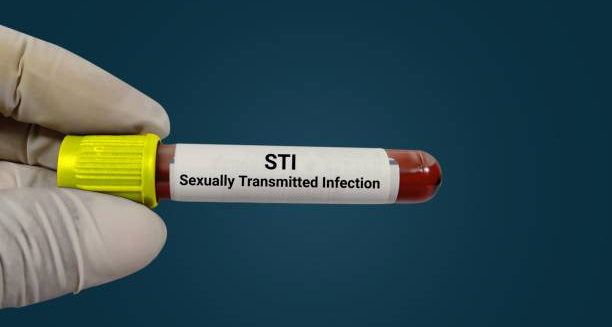

Causes of Gonorrhoea
The causes of gonorrhoea stem from infection with the bacterium Neisseria gonorrhoeae, which is primarily transmitted through sexual contact. The bacteria infect mucous membranes, including those of the genital tract, rectum, throat, and eyes. The direct causes of gonorrhoea involve unprotected sexual activity with an infected person, but the wider societal causes also include lack of awareness, limited access to healthcare, and social stigma.
Understanding both the biological and behavioural causes is key to controlling the spread of this highly infectious sexually transmitted infection (STI).
Biological Mechanism of Infection
Neisseria gonorrhoeae is a Gram-negative diplococcus that thrives in warm, moist environments. Once transmitted, it attaches to mucosal surfaces and invades epithelial cells, where it begins to multiply. The immune system responds, causing inflammation and symptoms such as discharge, pain, or bleeding.
The bacterium’s ability to change surface proteins helps it evade immune detection, making reinfection common even after previous exposure.
Primary Routes of Transmission
The main causes of gonorrhoea include direct contact with infected secretions during:
1. Vaginal Sex
The most common route of transmission
Infections can occur in the cervix, uterus, and fallopian tubes in women
In men, it commonly infects the urethra
2. Anal Sex
Gonorrhoea can infect the rectum, causing discomfort, discharge, or asymptomatic infection
High prevalence among men who have sex with men (MSM)
3. Oral Sex
Leads to pharyngeal gonorrhoea
Usually asymptomatic, but may cause sore throat or swollen glands
Difficult to detect without specific testing
4. Perinatal Transmission
Infected mothers can pass the bacterium to their newborn during childbirth
Can cause ophthalmia neonatorum, a severe eye infection
Transmission does not require ejaculation—contact with pre-ejaculate or vaginal fluids is sufficient for infection.
Behavioural and Social Causes
Beyond biological mechanisms, there are behavioural and societal contributors that increase the risk of gonorrhoea:
1. Unprotected Sex
The most preventable cause
Inconsistent or incorrect condom use increases transmission risk
2. Multiple Sexual Partners
Higher number of partners increases exposure risk
Especially common among young adults aged 15–24
3. Lack of Routine Testing
Many infections are asymptomatic
Without regular testing, individuals may unknowingly spread the infection
4. Untreated or Inadequately Treated Partners
Failure to treat both partners leads to “ping-pong” infections
Partner notification and treatment are essential for effective control
5. Substance Use
Alcohol or drug use can impair judgment
Leads to risky sexual behaviour and decreased condom use
Health System and Societal Factors
Several broader factors also contribute to the causes of gonorrhoea:
a. Limited Access to Healthcare
Cost, stigma, or geographical barriers may prevent timely diagnosis
Delayed treatment increases risk of complications and transmission
b. Stigma and Cultural Taboos
Fear of judgement prevents many from seeking help
Disproportionately affects women and LGBTQ+ communities
c. Inadequate Sexual Education
Lack of knowledge about STI prevention
Misconceptions about symptoms, transmission, and treatment
Reinfection and Resistance
One of the unique challenges in controlling gonorrhoea is its ability to:
Evade the immune system
Cause repeat infections, even in recently treated individuals
Develop antibiotic resistance, limiting treatment options
Behavioural factors such as resuming sexual activity too soon after treatment or not treating sexual partners can lead to rapid reinfection.
Risk Factors for Transmission
Individuals with the following risk factors are more likely to contract gonorrhoea:
Previous STI history
Multiple or new sexual partners
Inconsistent condom use
Being under 25 years old
Engaging in sex work or having a partner who does
Living in areas with high STI prevalence
These factors highlight the importance of regular testing and open sexual health discussions.
Summary of Direct and Indirect Causes
| Direct Causes | Indirect Causes |
| Unprotected sex | Lack of STI education |
| Contact with infected fluids | Limited healthcare access |
| Oral, vaginal, or anal sex | Stigma surrounding STI diagnosis |
| Mother-to-child transmission | Untreated sexual partners |
| High-risk sexual networks | Substance use and impaired judgment |
Conclusion | Causes of Gonorrhoea
The causes of gonorrhoea involve both biological transmission through sexual contact and wider behavioural, societal, and systemic issues. Preventing the causes of gonorrhoea means promoting safer sex, expanding access to healthcare, reducing stigma, and ensuring timely partner treatment. Education and public health strategies are central to breaking the cycle of infection and limiting the impact of antibiotic