
Causes of Guillain-Barré Syndrome
The causes of Guillain-Barré Syndrome are complex and involve an abnormal immune response that mistakenly attacks the body’s own nerves. While the exact mechanisms are not fully understood, most experts agree that the causes of Guillain-Barré Syndrome are closely tied to preceding infections or immune system triggers that confuse the body’s defence system.
Guillain-Barré Syndrome (GBS) is an autoimmune disorder. This means the immune system, which usually defends the body against viruses and bacteria, mistakenly attacks its own nerves. In GBS, the immune system damages the protective coating (myelin) or the inner part (axon) of the peripheral nerves. As a result, signals can’t travel properly through the nerves, which causes muscle weakness and other symptoms.
1. Infection as a Trigger
In the majority of cases, GBS is preceded by an infectious illness. Common infections linked to the onset of GBS include:
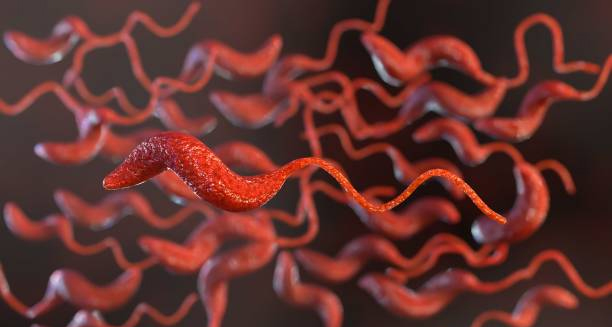
a. Campylobacter jejuni
A bacterium causing foodborne gastrointestinal illness
Found in undercooked poultry or contaminated water
Most frequently associated with the axonal variants of GBS
Triggers an immune reaction that cross-reacts with nerve tissue
b. Cytomegalovirus (CMV)
A common herpesvirus
Often causes mild or no symptoms
Can lead to the demyelinating form of GBS in some individuals
c. Epstein-Barr Virus (EBV)
Causes infectious mononucleosis
Triggers a strong immune response that can become dysregulated
d. Zika Virus
Linked to outbreaks of GBS in Latin America and Southeast Asia
Associated with more severe symptoms and prolonged recovery
e. Mycoplasma pneumoniae
A respiratory bacterium
May initiate autoimmune activity in susceptible individuals
Many patients recall having a respiratory or gastrointestinal illness 1–3 weeks before GBS symptoms begin.
2. Molecular Mimicry
The leading theory behind the autoimmune response in GBS is molecular mimicry. This occurs when:
Components of infectious agents resemble molecules on nerve cells
The immune system develops antibodies to fight the infection
These antibodies mistakenly target myelin or axonal proteins, triggering inflammation and damage
In this way, the immune system’s attempt to defend the body ends up attacking the peripheral nervous system.
3. Vaccinations (Very Rare Association)
There has been historical concern about the link between GBS and certain vaccinations:
The 1976 swine flu vaccine in the US was associated with a small increase in GBS risk
Modern flu vaccines carry extremely low risk — approximately 1 case per million doses
Overall, the benefits of vaccination outweigh the risks, particularly during pandemics or flu season
Some case reports have also mentioned other vaccines—such as those for COVID-19, hepatitis, or rabies—as possible triggers. However, studies have not found a strong or consistent link between these vaccines and Guillain-Barré Syndrome.
4. Surgery and Physical Trauma
In some cases, GBS follows:
Surgical procedures
Traumatic injuries
Organ transplants
The stress of surgery or trauma may disrupt immune balance, making the body more susceptible to autoimmune misfiring.
5. Genetic and Environmental Susceptibility
Although not inherited directly, some people may be genetically predisposed to autoimmune conditions. Factors that may influence susceptibility include:
Variations in HLA genes (which influence immune regulation)
Differences in gut microbiota or environmental exposures
Individual variations in antibody response to infections
Family history of autoimmune diseases may slightly increase the risk, though most cases remain sporadic and unpredictable.
6. Unknown Triggers
In about 30% of cases, no clear trigger can be identified. These idiopathic cases may still result from:
Mild or unnoticed infections
Autoimmune responses that were never activated by a known pathogen
Environmental factors or immune stressors
This highlights the complex nature of immune regulation, where a combination of internal and external factors may silently initiate disease.
Summary Table: Common Triggers of GBS
| Trigger | Mechanism |
| Campylobacter jejuni | Molecular mimicry, axonal injury |
| Cytomegalovirus (CMV) | Immune response to viral antigens |
| Epstein-Barr Virus (EBV) | Post-viral autoimmune activity |
| Zika Virus | Autoimmune cross-reaction after infection |
| Vaccinations (rare) | Hypothetical immune reaction |
| Surgery/Trauma | Immune dysregulation post-stress |
| Unknown | Idiopathic or subtle immune triggers |
Why Some People Develop GBS and Others Don’t
Not everyone who contracts a triggering infection develops GBS. The reasons why are not entirely clear but may involve:
Genetic vulnerability
Strength of immune response
Presence of certain antibodies (e.g., anti-GM1, anti-GQ1b)
Co-existing health conditions
Understanding these variables is an area of ongoing research and may eventually lead to targeted therapies or risk profiling.
Conclusion | Causes of Guillain-Barré Syndrome
Guillain-Barré Syndrome often starts after the immune system responds to an infection, a recent vaccine, or an injury. Soon after, the body may confuse healthy nerves with harmful germs. Because of this mix-up—called molecular mimicry—the immune system begins to attack the nerves by mistake. As a result, inflammation, muscle weakness, and sometimes even paralysis can occur. Meanwhile, scientists are still learning about the exact causes. However, doctors already know that these triggers often appear before the first symptoms. Therefore, by spotting the warning signs early, healthcare providers can make a faster diagnosis, start treatment sooner, and lower the chances of serious problems—especially in people who are more at risk.