
Causes of Hair Dye Reactions
The underlying causes of hair dye reactions lie in the body’s response to specific chemical ingredients. Especially those known to be allergens or irritants. Understanding the causes of hair dye reactions can help individuals make informed choices when selecting hair colouring products and reduce the risk of experiencing adverse effects.
Para-phenylenediamine (PPD) is one of the most common culprits. Found in many permanent hair dyes—particularly darker shades—PPD is known for its strong colouring properties. However, it is also a potent allergen that can trigger immune system hypersensitivity. When the body recognises PPD as a threat. It initiates an inflammatory response that leads to the symptoms of allergic contact dermatitis or, in severe cases, anaphylaxis.
Hydrogen peroxide, another key ingredient in many hair dyes, acts as a bleaching agent. While less likely to cause a true allergy. It can irritate the skin and scalp, especially in individuals with pre-existing sensitivities. Similarly, ammonia and resorcinol—used to adjust pH levels and stabilise colour. These are recognised irritants that can contribute to both allergic and non-allergic reactions.
Reactions may also occur due to repeated exposure over time. A person who previously tolerated hair dye may suddenly develop a sensitivity, particularly after years of regular use. This is known as sensitisation and highlights the importance of continuing patch tests with each new product or formulation, even for experienced users.
Causes of Hair Dye Reactions
Other factors contributing to hair dye reactions include poor ventilation during application, failure to follow instructions, using expired or low-quality products, and applying dye to broken or irritated skin. Additionally, those with atopic dermatitis, asthma, or other allergic conditions may be more prone to developing reactions due to their already sensitised immune systems.
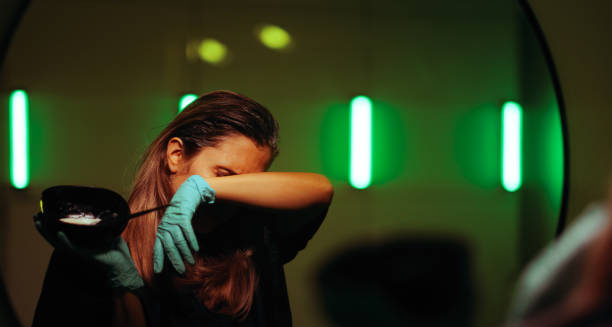
Understanding the causes of hair dye reactions empowers consumers to take preventative steps, such as choosing ammonia-free or PPD-free dyes, wearing gloves, using protective balms along the hairline, and consulting with a dermatologist or allergist if any concerns arise.