Causes of Heart Rhythm Problems
The causes of heart rhythm problems are diverse, encompassing a range of physical, biochemical, and electrical factors. That interfere with the heart’s ability to maintain a normal beat. These disturbances can arise suddenly or develop gradually over time. Depending on age, lifestyle, genetics, and the presence of underlying health conditions. Understanding the causes of heart rhythm problems is vital to diagnosing the type of arrhythmia. Determining its risk level, and choosing the appropriate treatment.
At the core of every heartbeat is the heart’s electrical conduction system. A network that generates and transmits impulses to stimulate the heart muscle. When this system malfunctions due to structural changes, biochemical imbalances, or damage to cardiac tissue. Abnormal rhythms—or arrhythmias—can result. These rhythm disturbances may cause the heart to beat too fast (tachycardia), too slowly (bradycardia), or irregularly, such as in atrial fibrillation.
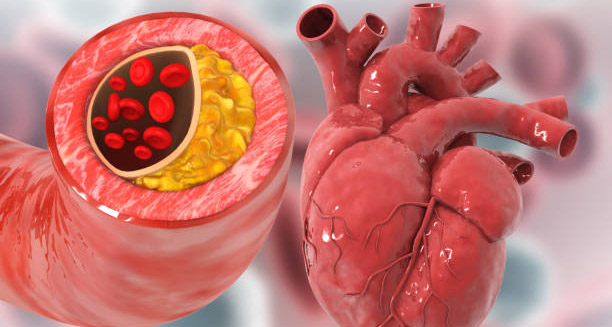
One of the most common causes of heart rhythm problems is coronary artery disease. When arteries supplying the heart become narrowed or blocked, areas of the heart muscle may become oxygen-starved, disrupting electrical activity. Heart attacks (myocardial infarctions) can create scar tissue that interferes with signal transmission, particularly within the ventricles. Ventricular arrhythmias often arise in this setting, and they can be life-threatening if left untreated.
High blood pressure (hypertension) is another major contributor. Persistent elevation of blood pressure increases the workload on the heart, leading to thickening of the heart muscle (left ventricular hypertrophy). This structural change alters how electrical signals travel through the heart, predisposing individuals to both atrial and ventricular arrhythmias. Over time, hypertension can also lead to atrial enlargement, which is strongly linked to atrial fibrillation.
Causes of Heart Rhythm Problems
Heart failure is closely intertwined with arrhythmias. The weakened or stiffened heart muscle in heart failure cannot pump efficiently, and the resulting changes in chamber size, pressure. Furthermore, and neurohormonal activity destabilise the electrical pathways. Nearly half of all patients with heart failure experience arrhythmias, which can further worsen heart function and increase the risk of hospitalisation or death.
Another important cause is valvular heart disease. Diseased valves—especially the mitral and aortic valves—can cause chamber enlargement and altered blood flow patterns that increase the likelihood of rhythm disturbances. Mitral valve prolapse, for instance, is commonly associated with premature ventricular contractions and, in rare cases, more serious arrhythmias.
Congenital heart defects are a significant cause in infants, children, and young adults. Some individuals are born with structural abnormalities that disrupt the electrical system, such as accessory conduction pathways seen in Wolff-Parkinson-White syndrome. Others may develop rhythm issues following corrective heart surgery performed in childhood.
Thyroid Disorders
Thyroid disorders also play a role. An overactive thyroid (hyperthyroidism) speeds up the body’s metabolism and can lead to atrial fibrillation or sinus tachycardia. Conversely, an underactive thyroid (hypothyroidism) can slow the heart rate and cause bradycardia or heart block. Correcting the thyroid imbalance often restores normal rhythm.
Electrolyte imbalances are one of the more direct causes of heart rhythm problems. Potassium, calcium, and magnesium are essential to the heart’s electrical function. Low potassium (hypokalaemia) or magnesium (hypomagnesaemia) can trigger premature beats, atrial fibrillation, or torsades de pointes—a rare but dangerous ventricular arrhythmia. These imbalances may result from dehydration, diuretic use, kidney disease, or gastrointestinal losses.
Certain medications and drugs can provoke arrhythmias. Some antiarrhythmic drugs paradoxically increase the risk of dangerous rhythms. Other culprits include digitalis (used in heart failure), tricyclic antidepressants, some antibiotics (like erythromycin), and chemotherapy agents. Recreational drugs such as cocaine, amphetamines, and ecstasy can cause dramatic spikes in heart rate and rhythm disturbances, often leading to sudden cardiac arrest.
Causes of Heart Rhythm Problems
Stimulants, including caffeine, nicotine, and energy drinks, can provoke palpitations, premature beats, and episodes of supraventricular tachycardia in sensitive individuals. While usually benign, overuse or use in combination with other risk factors may push the heart into dangerous territory—particularly in those with structural abnormalities or existing arrhythmias.
Sleep apnoea—a condition where breathing repeatedly stops during sleep—is increasingly recognised as a contributor to atrial fibrillation and other arrhythmias. The repeated drops in oxygen levels and surges in sympathetic nervous system activity place stress on the heart, especially at night. Treating sleep apnoea with CPAP therapy has been shown to reduce arrhythmia frequency and improve overall cardiac function.
Stress and emotional distress have both short- and long-term effects on the heart. Acute stress can trigger a surge in adrenaline, potentially causing arrhythmias, especially in people with underlying heart disease. Chronic stress, depression, and anxiety are also linked to inflammation and autonomic imbalance, which may contribute to rhythm instability.
Ageing
Ageing itself is a non-modifiable but important factor. As people get older, the conduction system of the heart undergoes changes, including fibrosis and reduced cell function. This makes older adults more susceptible to both bradyarrhythmias (slow rhythms) and tachyarrhythmias (fast rhythms), particularly atrial fibrillation.
Genetic conditions account for a smaller but significant portion of arrhythmia cases. These include Long QT Syndrome, Brugada Syndrome, Catecholaminergic Polymorphic Ventricular Tachycardia (CPVT), and arrhythmogenic right ventricular cardiomyopathy (ARVC). These inherited disorders often present at a young age and may require aggressive treatment to prevent sudden cardiac death.
In some cases, the cause of an arrhythmia remains idiopathic, meaning no clear underlying problem is identified. These cases may still require monitoring and, in some instances, treatment if symptoms are disruptive or if the arrhythmia poses a risk to heart function.
Causes of Heart Rhythm Problems
In conclusion, the causes of heart rhythm problems range from common lifestyle issues and chronic conditions to rare inherited syndromes. Identifying the exact cause—or combination of causes—is essential to tailoring treatment, improving prognosis, and preventing recurrence. Through careful evaluation and management, many rhythm problems can be controlled or even eliminated. Enabling patients to live stable and fulfilling lives.